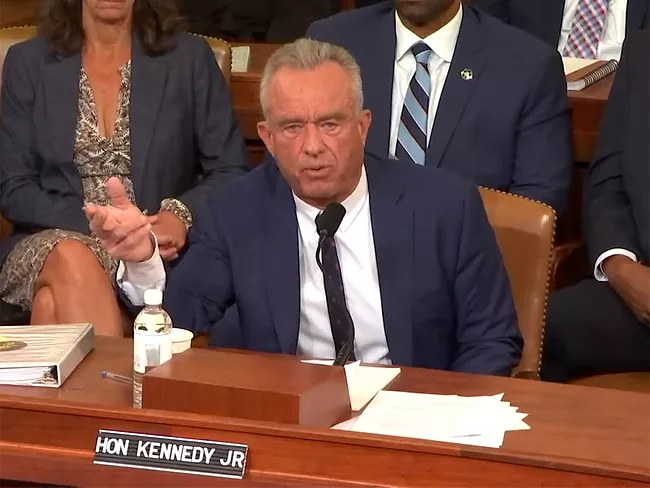
U.S. Health and Human Services (HHS) Secretary Robert Kennedy made his first stop April 16 on a congressional tour in support of President Donald Trump’s proposed fiscal 2027 budget, which would reduce discretional spending for HHS and its agencies by about 12%.
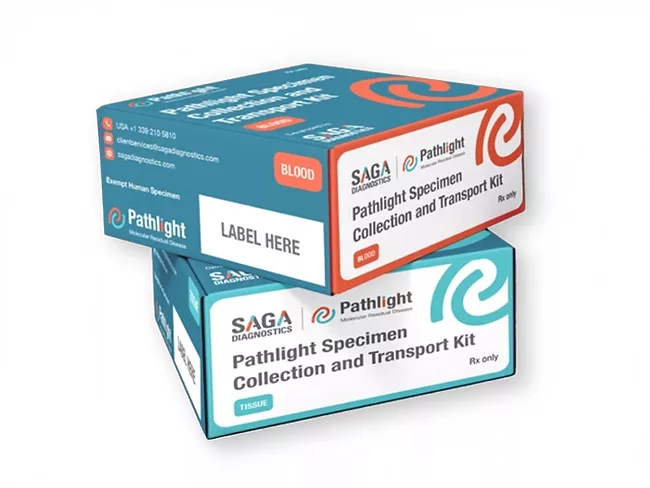
Nearly a year after the first U.S. commercial launch of the multicancer molecular residual disease (MRD) detection platform Pathlight, developer Saga Diagnostics entered a definitive merger agreement under which Roche Holding AG subsidiary Foundation Medicine Inc. will take over the firm in return for up to $595 million in payments.
Abbott Laboratories saw its shares fall in early trading April 16 after cutting its guidance for 2026 on the back of dilution related to its $21 billion acquisition of Exact Sciences Corp. The company revised its full year adjusted earnings per share guidance to $5.38 to 5.58, down from $5.55 to $5.80 previously. The updated outlook includes 20 cents of dilution related to the Exact deal. Abbott also reported first quarter profits of $1.08 billion, down 18.7% from a year ago.
Given its recent decision in a challenge to a West Virginia law, it’s no surprise that the U.S. Court of Appeals for the Fourth Circuit issued a 2-1 unpublished opinion April 14 overturning a lower court that had refused a preliminary injunction to stall a similar Maryland law that would require drug manufacturers to offer 340B prescription drug discounts to unlimited contract pharmacies.
Despite key vacancies, ongoing staffing challenges and policy issues at the U.S. CDC, FDA and NIH, some of the regulatory churn that roiled those agencies in the first year of the second Trump administration is settling a bit, at least in terms of the number of executive orders (EOs) coming out of the Oval Office.
In what shakes out to be the largest follow-on stock offering in biopharma history, Revolution Medicines Inc., an oncology company that was the subject of buyout rumors earlier this year, priced 10.56 million shares to raise $1.5 billion just two days after wowing investors with top-line phase III data of its RAS inhibitor daraxonrasib in patients with metastatic pancreatic ductal adenocarcinoma.
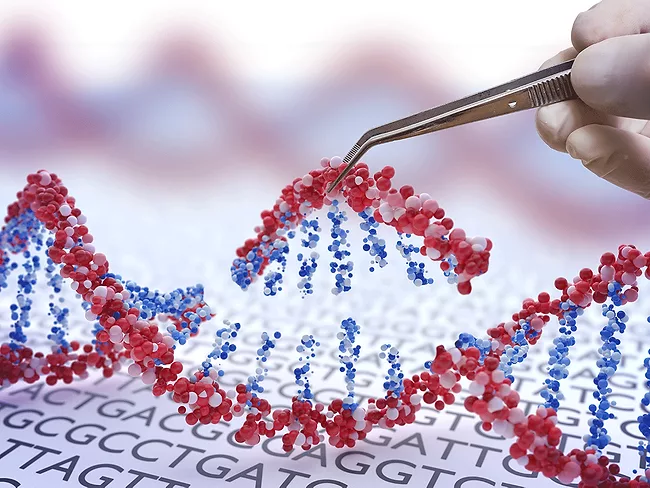
The U.S. FDA’s latest draft guidance on gene therapies focuses on nonclinical studies using next-generation sequencing-based methods and bioinformatics to evaluate safety risks associated with off-target editing and loss of genome integrity in human gene-edited products.
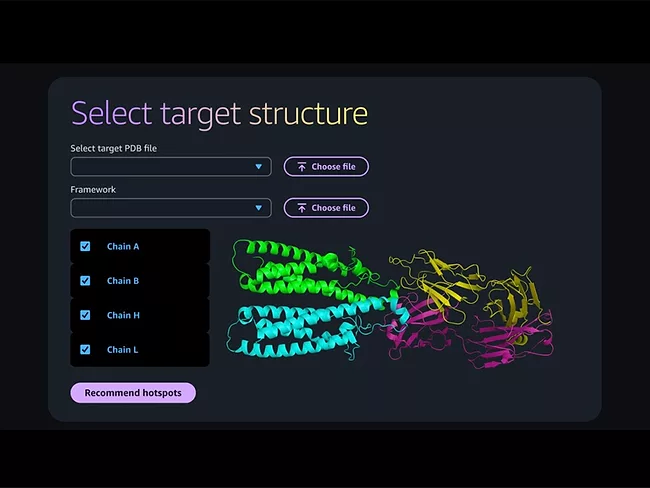
Amazon is extending the reach of its “everything store” into drug R&D with the launch of an artificial intelligence-powered Bio Discovery business. The company has compiled a catalogue of 40-plus foundation models that have been trained on extensive biology datasets and are able to generate and evaluate drug molecules in silico. For now, this covers antibodies only, but it is intended to move into other modalities.
The U.S. FDA’s latest draft guidance on gene therapies focuses on nonclinical studies using next-generation sequencing-based methods and bioinformatics to evaluate safety risks associated with off-target editing and loss of genome integrity in human gene-edited products.
Regeneron Pharmaceuticals Inc. is entering the radiopharmaceutical space via a collaboration with Telix Pharmaceuticals Ltd. to jointly develop and commercialize next-generation radiopharmaceutical therapies.
 RSS
RSS