Regeneron Pharmaceuticals Inc. is entering the radiopharmaceutical space via a collaboration with Telix Pharmaceuticals Ltd. to jointly develop and commercialize next-generation radiopharmaceutical therapies.
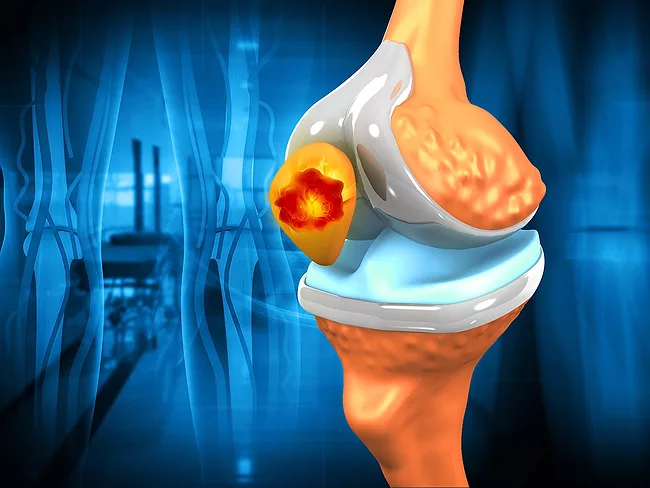
Synox Therapeutics Ltd. is preparing to file for FDA approval of emactuzumab in treating tenosynovial giant cell tumor (TGCT), after announcing positive top-line phase III results.
Spyre Therapeutics Inc. is off to a good start in its goal to create the best combination therapy for inflammatory bowel disease, a group of chronic, relapsing autoimmune conditions of the digestive tract that encompasses Crohn’s disease and ulcerative colitis. The Waltham, Mass.-based company estimates the market for IBD is currently at approximately $25 billion but will jump to around $40 billion in 2030.
“Home-run” efficacy and what Cowen analyst Tyler Van Buren called “pristine” safety in the phase II Alpha3 study with CAR T therapy cemacabtagene ansegedleucel (cema-cel) sent shares of Allogene Therapeutics Inc. (NASDAQ:ALLO) skyward to a $4.46 high, up nearly 64%, on April 13. Shares eventually closed at $3.06, up 34 cents.
“Unprecedented,” “remarkable” and “transformative” were just a few of the descriptives tossed out by Wall Street analysts in response to Revolution Medicines Inc.’s phase III readout, showing RAS inhibitor daraxonrasib hit its overall survival and progression-free survival endpoints in previously treated patients with metastatic pancreatic ductal adenocarcinoma, setting up the company for potential regulatory filings this year and triggering another round of M&A speculation.
Abstracts released ahead of the American College of Cardiology meeting held in late March in New Orleans, along with the start of dosing near the end of January in Novartis AG’s phase IIb trial with siRNA therapy DII-235, also known as BW-20829, perked up the already-lively lipids/heart space.
Replimune Group Inc. received another complete response letter (CRL) from the U.S. FDA for immunotherapy vusolimogene oderparepvec to treat advanced melanoma, sending shares plunging by more than 19% on the April 10 PDUFA date.
The U.S. FDA has accepted for review Telix Pharmaceuticals Ltd’s resubmitted NDA for TLX101-Px (Pixclara, 18F-floretyrosine, 18F-FET), its radiolabeled glioma imaging product for characterizing progressive or recurrent glioma in adult and pediatric patients. The FDA assigned a Sept. 11, 2026, PDUFA date.
Amending his previous two-year-renewal of the standard charter for the U.S. CDC’s Advisory Committee on Immunization Practices (ACIP), Health and Human Services Secretary Robert Kennedy made monitoring adverse vaccine events a primary function of the committee and expanded its liaison membership to include organizations that have challenged vaccine safety.>
Teleflex Inc. reported that Stephen Klasko will step down as chair of the board, and said it intends to establish a new Growth and Operating Committee as well as repurchase $1 billion of its shares. The moves come amid pressure from activist investor Irenic Capital Management, which owns a 2% stake and recently urged the company to take a more constructive and responsible approach to evaluating strategic alternatives, after Teleflex declined to engage with potential acquirors despite interest from multiple credible parties.
 RSS
RSS