The U.S. government chalked up another win April 29 against the constitutional challenges to the Inflation Reduction Act’s provision mandating direct Medicare price negotiations for selected prescription drugs.
Three people have agreed to pay more than $170,000 to settle U.S. SEC insider trading charges related to UCB SA’s $1.9 billion acquisition of Zogenix Inc.
Ten days early, the U.S. FDA granted full approval under priority review to Pfizer Inc. and Genmab A/S’s antibody-drug conjugate Tivdak (tisotumab vedotin) to treat cervical cancer.
It’s been a year since U.S. FDA Commissioner Robert Califf first started talking about reforming the agency’s advisory committee process. Now the FDA is moving beyond talking about it to listening. The agency has scheduled an all-day listening session June 13 to get feedback on optimizing the use of adcoms and the processes involved.
Looking beyond the U.S. biopharma industry, Sen. Bernie Sanders (I-Vt.) is now pushing the International Federation of Pharmaceutical Manufacturers and Associations to get on board with the World Health Organization’s proposed Pandemic Accord aimed at making diagnostics, treatments and vaccines available to everyone who needs them.
The latest World Health Organization’s (WHO) Pandemic Agreement falls short of protecting all countries in future pandemics, said international patient groups and public health organizations.
The industry in the U.K. is starting to get concerned about the U.S. Biosecure Act and the possible impact on its ability to use Chinese service providers, and the implications for future dealmaking with U.S.-based companies.
U.S. Medicare coverage of products for leg and foot ulcers has undergone a second review in less than a year thanks to pushback from stakeholders after the August 2023 issuance of proposed non-coverage policies for more than 100 cell and tissue-based products.
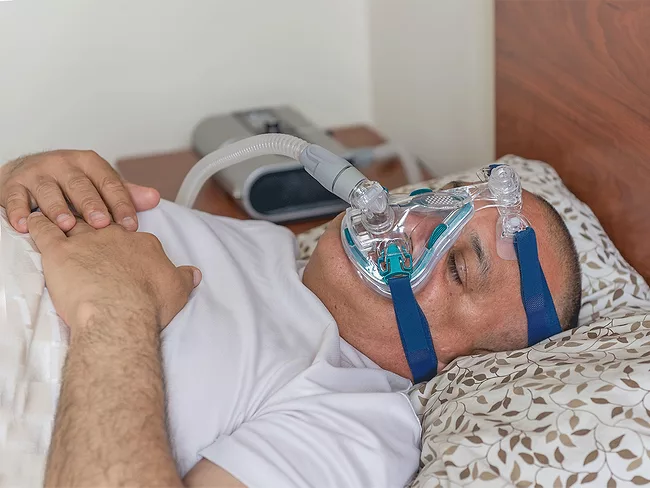
Royal Philips NV has come to terms over class-action litigation in which plaintiffs alleged that particulate matter in continuous positive airway pressure (CPAP) machines has proven harmful to their health, bringing the matter to a $1.1 billion conclusion. Despite the 10-figure sum, news of the April 29 settlement sent the company’s share prices up by roughly a third in early morning trading, suggesting that investors had already baked their expectations of the settlement into their thinking about the company’s future.
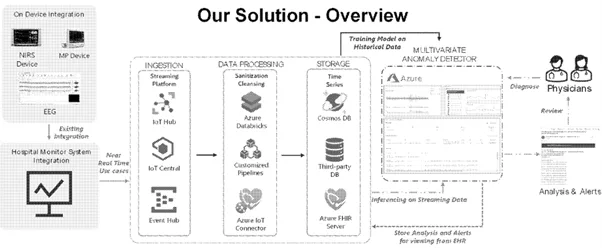
In what represents its first patenting, PBSF Inc. filed for protection of brain monitoring and neuroprotection strategies for infants at high risk on a large scale.
 RSS
RSS