The U.S. FDA’s draft rule for regulation of lab-developed tests (LDTs) was a long time in coming, much longer than any legislative proposals to overhaul the agency’s regulatory mechanisms for these tests. Nonetheless, Scott Whitaker, president and CEO of the Advanced Medical Technology Association (Advamed), believes that the FDA draft rule is likely to prompt Congress to pass the Verifying Accurate, Leading-edge IVCT development (VALID) Act, a development that would truncate an FDA final rule that would almost certainly face litigation.
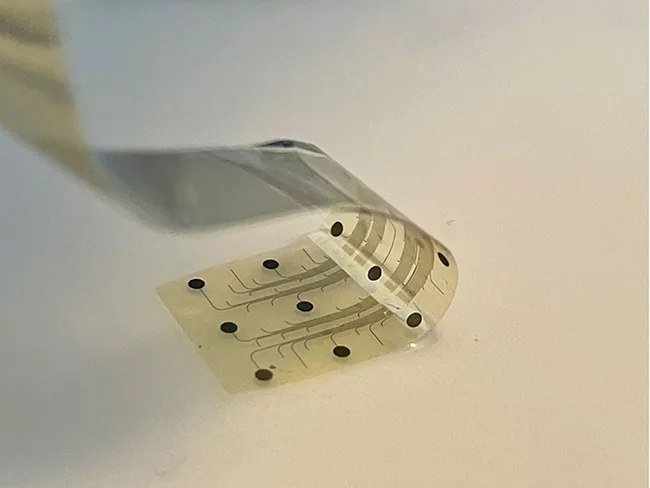
Inbrain Neuroelectronics SL was granted a breakthrough device designation from the U.S. FDA for its graphene-based neural platform as an adjunctive therapy for treating Parkinson’s disease. The platform, called intelligent network modulation system, harnesses the power of graphene and artificial intelligence to deliver highly focused, adaptive neuroelectronic therapy that re-balances pathological neural networks, easing the symptoms of Parkinson’s.
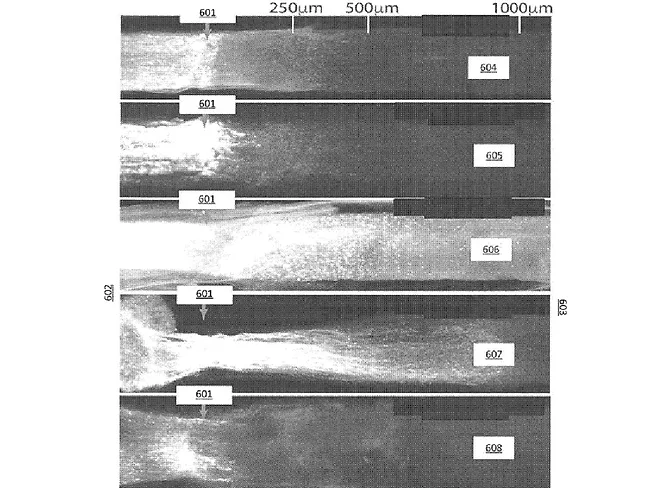
The University of Southern California (USC) reported filing a patent for a retinal ganglion cell (RGC) stimulation system in which electrodes may be placed in, around or near sites of optic nerve injury to generate electric fields that can direct the direction of axonal regeneration.
Following an unexpected FDA complete response letter (CRL), Alnylam Pharmaceuticals Inc. said it will no longer pursue an expanded indication for Onpattro (patisiran) in the U.S. The RNAi therapeutic was approved in 2018 to treat polyneuropathy of hereditary transthyretin-mediated (ATTR) amyloidosis and seemed well on its way to snagging a second U.S. indication after the FDA’s Cardiovascular and Renal Drugs Advisory Committee voted 9-3 in September that the drug’s benefits outweighed its risks as a treatment for cardiomyopathy of ATTR amyloidosis. The FDA disagreed with the committee, saying in the CRL that patisiran’s clinical meaningfulness had not been established in the proposed indication.
The FDA’s draft guidance for predetermined change control plans (PCCPs) is just that, a draft guidance, but that has not stopped the agency from incorporating the underlying concepts into existing guidances. An example of this is the September 2023 guidance for antimicrobial susceptibility test (AST) system for breakpoints in device labeling, a document that represents a jarring update to the legacy version published in 2009.
Easymotionskin Tec AG is seeking patent protection for a wearable product that delivers transcutaneous electromyostimulation (EMS) of pelvic floor musculature through the body’s perineum, for the non-invasive treatment of incontinence, particularly stress incontinence. The invention is said to be suited to nearly all patients, including those patients who cannot insert anal or vaginal probes that provide pelvic floor training by EMS.
The US FDA is offering sponsors of certain drugs and biologics more agency access as part of a pilot program that will be launching in January 2024 with the mission of accelerating the development of new therapies for rare diseases.
Biopharma companies and industry advocates received the message the U.S. FTC intended to send when it broke new antitrust ground earlier this year in challenging Amgen Inc.’s $27.8 billion acquisition of Horizon Therapeutics plc. Now they’re uniting to send a message of their own – in the guise of an awareness campaign showing that the FTC’s new approach to M&A reviews and antitrust enforcement will undermine the ecosystem responsible for innovative and important therapies the world over.
The dark cloud of what the U.S. FDA called potential “systemic bias” rained on Amgen Inc.’s bid for full approval of Lumakras (sotorasib), a KRAS-G12C inhibitor that was granted accelerated approval in May 2021 for locally advanced or metastatic non-small-cell lung cancer after at least one systemic therapy.
Connex Biomedical Inc. applied for patent protection for a transcardiac access port affixed and retained post-procedure on the cardiac muscle, such as the ventricular myocardium, and an access port delivery system configured to deliver the access port, secure the access port to the muscle tissue with tissue anchors, and provide a working channel through the access port to facilitate transcardiac access and device delivery.
 RSS
RSS