Create Medicines Inc. has received Human Research Ethics Committee (HREC) approval in Australia to initiate a first-in-human study of CRT-402, the company’s lead in vivo CAR T candidate for the treatment of autoimmune diseases.
Erica Schwartz is one step away from becoming the next director of the U.S. CDC. The Senate Health, Education, Labor and Pensions (HELP) Committee voted 13-10 July 30 to favorably report her nomination to the Senate floor for confirmation. The committee also favorably reported the nomination of Sean Kaufman, on a party line vote of 12-11, to be the assistant secretary for preparedness and response (ASPR) at the Department of Health and Human Services.
Following two complete response letters in the past year, Replimune Group Inc.’s RP-1 (suvolimogene oderparepvec) for unresectable metastatic cutaneous melanoma refractory to PD-1 therapy cleared a major hurdle when the U.S. FDA’s Cellular, Tissue, and Gene Therapies Advisory Committee voted 10-3 that the efficacy results from the Ignyte phase II study are evaluable and clinically meaningful.
The saga of Capricor Therapeutics Inc.’s allogeneic cell therapy deramiocel for cardiomyopathy in Duchenne muscular dystrophy (DMD) added another bleak chapter as the U.S. FDA’s Cellular, Tissue, and Gene Therapies Advisory Committee voted on the question of whether the available data provide “substantial evidence” that the drug works. Balloting turned out 9 no, 3 yes.
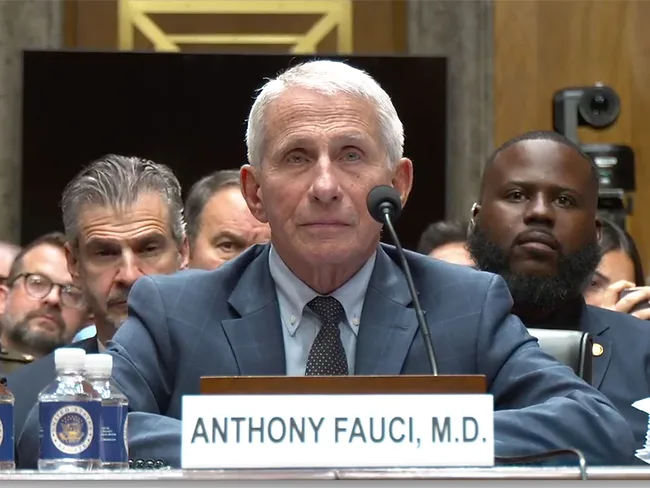
After repeatedly invoking the Fifth Amendment to every question asked during the July 29 hearing of the U.S. Senate Homeland Security Committee, Anthony Fauci, the now retired head of the NIH’s National Institute of Allergy and Infectious Diseases, faces a committee vote next week on a resolution citing him for contempt.
Global drug approvals through the first half (H1) of 2026 reached 261, the third-highest H1 total in BioWorld’s records behind 2021’s 288 and 2025's 271, and ahead of 2022’s 256. June was the standout month of the first six months at 64 approvals, the highest single month in BioWorld’s records and a notable acceleration from May’s 43.
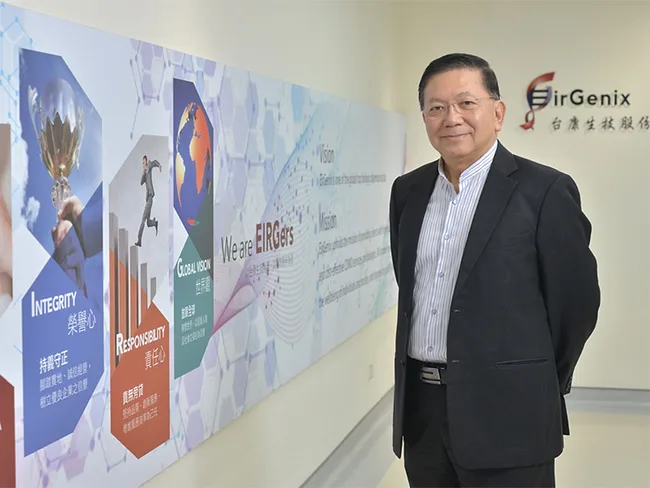
Taiwan’s biotechnology sector was built around domestic health needs, including vaccines and drug manufacturing, but it is increasingly looking outward – to international partnerships, licensing, clinical development and a bigger role in the global biomedical ecosystem.
New drug approvals, financings and deals were seen across the Asia-Pacific biotech sector this week, with China’s National Medical Products Administration (NMPA) granting clearances to Takeda Pharmaceutical Co. Ltd.’s oral orexin receptor 2 agonist oveporexton for narcolepsy, as well as Haisco Pharmaceutical Group’s ciprocopan (HSK-39297) for paroxysmal nocturnal hemoglobinuria.
Otsuka Pharmaceutical Co. Ltd. will likely look next to expand the label of Simtriyo (centanafadine) into patients with comorbid anxiety, having won the U.S. FDA’s green light as a once-daily extended-release capsule for attention deficit hyperactivity disorder (ADHD) in adults plus pediatrics age 6 years and older who weigh at least 20 kg (about 44 lbs.).
Boston Scientific Corp. came out the all-around winner July 27 when the U.S. Court of Appeals for the Federal Circuit reversed a jury verdict that found the med-tech company’s drug-eluting coronary stent systems infringed a University of Texas System patent.
 RSS
RSS