Sciwind Biosciences Co. Ltd. said Jan. 30 it won Chinese approval for self-developed glucagon-like peptide-1 (GLP-1) receptor agonist, ecnoglutide (Xianyida), to treat adults with type 2 diabetes.
It’s not often that disclosure of a complete response letter (CRL) causes a company’s share price to rise, but that was case for Aquestive Therapeutics Inc., which saw its stock (NASDAQ:AQST) rise 39% to close Feb. 2 at $4.10 on news the U.S. FDA has declined – for now – to approve the NDA for Anaphylm (dibutepinephrine), delaying the commercial entry of what could be the first oral alternative to Epipen.
Elevar Therapeutics Inc. appointed Kim Dong-gun (DG) as CEO Jan. 29, as the company focuses on post-NDA strategies for lirafugratinib in bile duct cancer, and the twice-rejected rivoceranib-camrelizumab combination for liver cancer.
The EMA has started a review of Amgen Inc.’s Tavneos (avacopan) after questions were raised about the integrity of the data in the Advocate study that the agency assessed when granting approval of the vasculitis treatment in January 2022.
A new draft guidance for organ procurement organizations doing business in the U.S. would seem to tackle some pressing issues with organ donation, such as the conditions in which a problem qualifies as an adverse event. Perhaps of greater interest to companies in the organ container business is that the Centers for Medicare & Medicaid Services is intent on increasing the availability of organ donations to deal with an insatiable demand for donated organs.
The days of the U.S. FDA considering as trade secrets country-of-origin info for drugs and their ingredients have to end, the Senate Aging Committee was told at a Jan. 29 hearing on truth in drug labeling.
For years, Japan’s “drug lag” was shorthand for slow regulatory reviews and delayed approvals compared with the U.S. and Europe. But even as regulatory timelines have shortened, review capacity has expanded and international alignment has improved, Japanese patients still face gaps in access to innovative drugs.
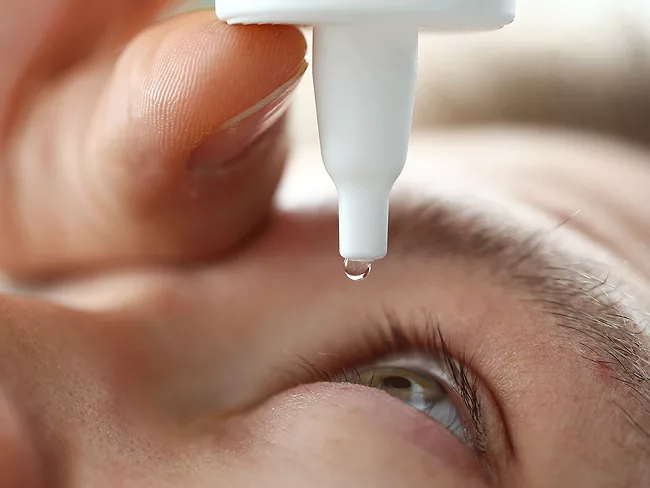
The presbyopia space gained another player as Tenpoint Therapeutics Ltd. won the U.S. FDA’s go-ahead for Yuvezzi (carbachol and brimonidine tartrate ophthalmic solution, 2.75%/0.1%, previously known as Brimochol PF), the first and only dual-agent eye drop for the treatment of adult presbyopia.
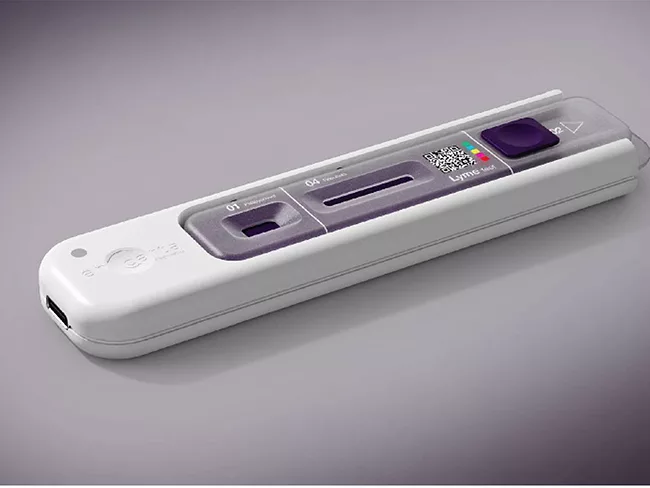
En Carta Diagnostics SA's EC Pocket Lyme received FDA breakthrough device designation for its rapid, molecular diagnostic test for the early detection of Borrelia bacteria, which causes Lyme disease. The designation marks a pivotal step for the French startup as it will enable closer interaction with the agency, accelerating its route to market, and getting it to patients sooner.
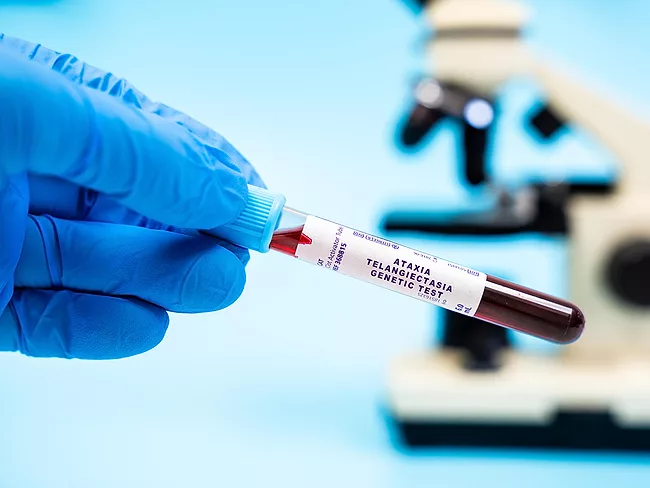
A Jan. 28 report on Medicare spending on lab tests indicated that spending on many types of tests flattened between 2022 and 2024, but spending on genetic tests rose 20% between 2023 and 2024 to $3.6 billion. While the report does not specifically call out fraud as a driver of spending, the U.S. Department of Justice posted a Jan. 26 press release identifying a case of Medicare gene testing fraud that amounted to $52 million, just one of several recent examples of this kind of fraud.

 RSS
RSS

-CEO-Elevar-1-30.webp?height=488&t=1769801176&width=650 "Kim Dong-gun (DG), CEO, Elevar")