The U.S. FDA accepted, with priority review, Takeda Pharmaceutical Co. Ltd.’s NDA submission for oveporexton (TAK-681), bringing the oral orexin receptor 2 agonist closer to clearance in narcolepsy type 1.
Moderna Inc. blamed a switcheroo by the U.S. FDA for the refusal-to-file (RTF) letter on the seasonal influenza vaccine mRNA-1010. Shares of the firm (NASDAQ:MRNA) closed Feb. 11 at $40.51, down $1.49, having traded as low as $36.66 as investors learned of the RTF letter, which Moderna said is “inconsistent with feedback” the company was given by regulators during pre-phase III as well as pre-BLA-submission talks.
The SEC filed civil charges against CBA Pharma Inc. and two top executives in U.S. district court, alleging they conducted a fraudulent securities offering that raised about $4.1 million from nearly 160 investors.
Novo Nordisk A/S’ television ad introducing the tablet form of its weight-loss drug, Wegovy (semaglutide), to American consumers didn’t pass regulatory muster.
As many had predicted following news of a clinical hold on the gene therapy last month, Regenxbio Inc. disclosed receipt of a complete response letter (CRL) regarding its BLA for RGX-121 (clemidsogene lanparvovec) in mucopolysaccharidosis II, an ultrarare neurodegenerative disease in dire need of new therapies.
True to its word, Novo Nordisk A/S filed a patent infringement lawsuit in U.S. district court against Hims & Hers Health Inc. over compounded versions of Novo’s semaglutide products.
A jury in a U.S. District Court unanimously found that Medtronic plc violated federal and state antitrust laws relating to its blood sealing surgical devices and must pay $382 million in damages to Applied Medical Resources Corp.
Trumprx.gov launched with much fanfare late Feb. 5, and the online tool brings promise for the “world’s lowest prices” on prescription drugs. Alongside the website hoopla came word from Hims & Hers Health of its own steep discounts on what’s to be the compounded version of a Trumprx-featured therapy: oral Wegovy (semaglutide) for obesity. Novo Nordisk A/S, Wegovy’s originator, vowed to fight.
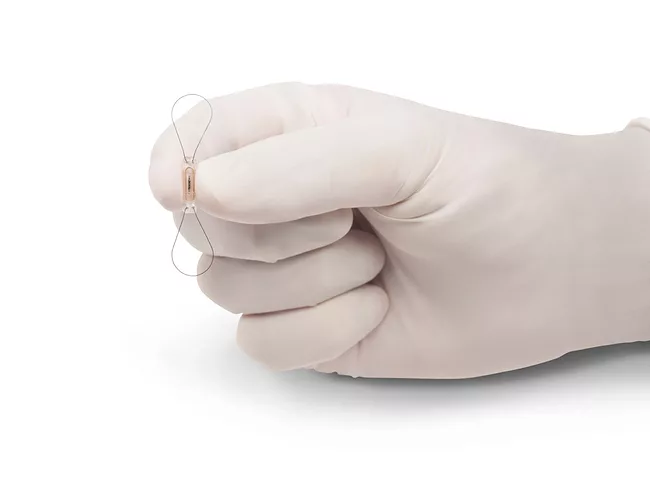
The U.K.’s National Institute for Health and Care Excellence (NICE) has recommended the use of Abbott Laboratories’ Cardiomems HF system, giving people living with heart failure an option to monitor their condition daily from home. The implantable wireless sensor could transform care for individuals with the chronic condition as it will enable them to catch early warning signs before they escalate to medical emergencies.
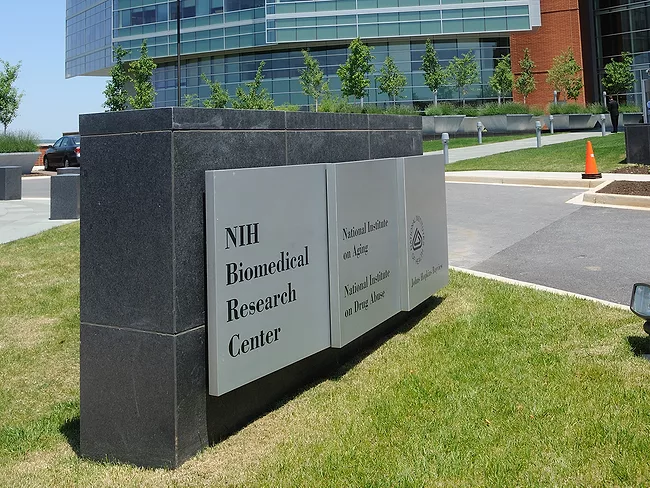
In keeping with the congressional practice of passing major NIH reform legislation every 10 years, the U.S. Senate Health, Education, Labor and Pensions (HELP) Committee took the first step in looking at what can be for the NIH while unburdening it from what has been over the past few years.

 RSS
RSS