U.S. regulators continued to be plagued in 2021 with accusations of politicization, most of which revolved around the expansion of the COVID-19 vaccine. Despite the Biden administration’s avowed commitment to follow the science in regulatory decision-making, the White House COVID-19 Response Team appeared to jump ahead of the science Aug. 18 when it announced the Sept. 20 rollout of a nationwide booster program for all adults. The program called for boosters to be administered eight months after the final dose of the vaccine. But just a few days earlier, government health officials had stressed that boosters were only needed for people who were immunocompromised.
LONDON – The confluence of Brexit and pandemic has hit regulators in Europe hard this year, with the workload of assessing COVID-19 vaccines and antivirals made all the more onerous by the loss of expertise suffered by both the EMA and the U.K. Medicines and Healthcare products Agency (MHRA) as their close relationship was severed.
Regulatory snapshots, including global drug submissions and approvals, clinical trial approvals and other regulatory decisions and designations: Bioinvent, CASI, Cytokinetics, Junshi.
With 2021 coming to a close in just a few weeks, the U.S. FDA is racing to release the guidances it planned to get out the door this year. The regulator issued two draft guidances Dec. 7 detailing key clinical and production considerations to support applications for “N of 1,” or single-subject, clinical trials and drug development programs for severely debilitating or life-threatening diseases.
Two reports, one from Democrats and one from Republicans, point fingers at the reasons prescription drug prices have risen so dramatically. Both came at a time when President Joe Biden wants to change the way drug prices are determined.
COVID-19 kept its grip on the world in 2021 as one new variant after another created new waves of infection, forcing regulatory officials to face ongoing political and logistical pressures in dealing with drug and vaccine approvals, mergers and acquisitions, manufacturing issues and demands for pricing reforms.
There was no slowing of biopharma innovation in 2021, even as industry directed significant resources to, while feeling the impact of, the ongoing COVID-19 pandemic. The year saw big wins for developers of DNA vaccines and biosimilars, while CAR T expanded its reach and a drug target once considered undruggable was finally conquered. And as 2021 gives way to 2022, other potentially game-changing technologies and therapeutics are waiting in the wings.
Regulatory snapshots, including global drug submissions and approvals, clinical trial approvals and other regulatory decisions and designations: Acer, Aprea, Bayer, Brii, Cytodyn, Cytokinetics, Heron, Intercept, Nrx, Ocugen, Reata, Sesen, VBI.
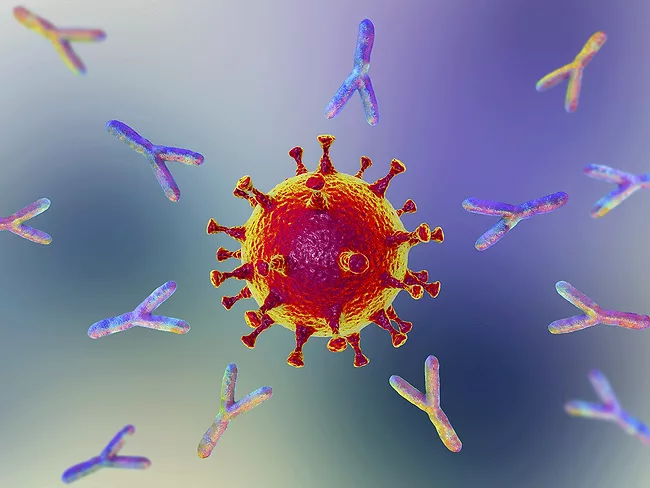
A cocktail of monoclonal neutralizing antibodies developed by Brii Biosciences Ltd. has become “the first locally-discovered and approved SARS-CoV-2 target-specific treatment in China, through a randomized, double-blind and placebo-controlled trial,” Rogers Luo, president and general manager of greater China at the company, told BioWorld. The NMPA approved a combination of Brii’s amubarvimab and romlusevimab as a treatment for both adults and pediatric patients, ages 12 to 17, with mild and “normal type” COVID-19 at high risk for progression to severe disease, including hospitalization or death.
The Russian Federation is making progress in building its drug supply system and increasing access to medicines and medical devices. In a Dec. 7 update on the progress being made, Minister of Health Mikhail Murashko highlighted the work of the Circle of Kindness fund, efforts to ensure the availability of vaccines and other drugs throughout the federation, and the launch of a labeling system to promote the timely identification of uncertified and counterfeit drugs.
 RSS
RSS