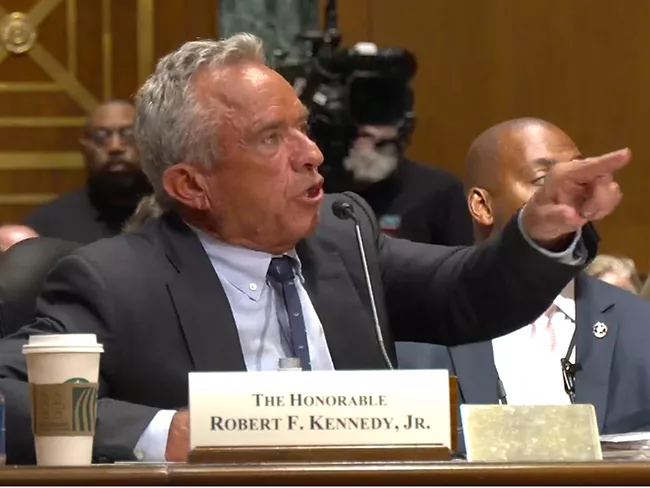
Speaking at a Sept. 9 media briefing on the newly released Make America Healthy Again Strategy, U.S. Health and Human Services Secretary Robert Kennedy confirmed what could be the worst fears of many vaccine experts.
The U.S. FDA issued a complete response letter (CRL) for the NDA to privately held Saol Therapeutics Inc.’s rare disease treatment, sodium dichloroacetate (SL-1009), for pyruvate dehydrogenase complex deficiency. The inhibitor of pyruvate dehydrogenase kinases is the only drug in development for treating the rare genetic disorder, according to Cortellis. There are no FDA-approved treatments for the disease.
The U.S. Federal Trade Commission has opened a docket for comment on noncompete employment contracts, a move which suggests that the agency may revert to evaluating these practices on a case-by-case basis rather than by issuing sweeping rules.
After July’s first-ever release of more than 200 complete response letters (CRLs) by the U.S. FDA, the agency now says it will release letters shortly after sponsors receive them. In addition, the FDA released a new batch of 89 CRLs from 2024 to now that are tied to pending or withdrawn applications.
Sparks flew both ways Sept. 4 as Democratic senators pushed for Robert Kennedy to resign as secretary of the U.S. Department of Health and Human Services (HHS) during a Senate Finance Committee hearing ostensibly held to discuss the Trump administration’s 2026 health care agenda. But with Kennedy the only witness, the hearing focused on Kennedy’s perceived failings as HHS secretary. “The United States is in the midst of a health care calamity,” Ranking Member Ron Wyden, D-Ore., said in his opening comments, which were laden with personal attacks.
Several South Korean biotech and biopharmaceutical companies completed IND submissions or won nods to start clinical trials in either the U.S. or South Korea, including SK Bioscience Co. Ltd., Genosco Inc., Pimedbio Inc., Sillajen Inc. and Ami Pharm Co. Ltd.
The vaccine dominoes continue to fall in the U.S. This time one fell on the FDA’s Vaccines and Related Biological Products Advisory Committee, as one of Health and Human Services Secretary Robert Kennedy’s most outspoken critics was removed from the panel nearly a year and a half before his term was to expire.
Oddsmakers placing their bets on which drugs will be in play for round 3 of the U.S. Inflation Reduction Act (IRA) price negotiations are doing some reshuffling, thanks to an orphan drug provision tucked into the Trump administration’s One Big Beautiful Bill Act (OBBBA) that was signed into law on the Fourth of July.
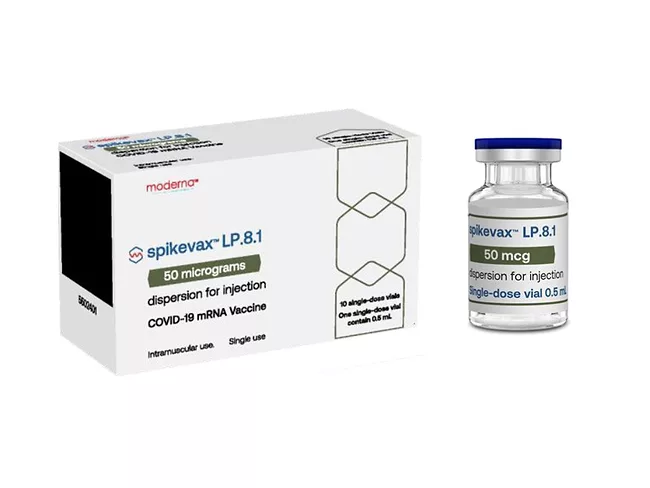
South Korea’s Ministry of Food and Drug Safety approved Moderna Inc.’s Spikevax LP.8.1 vaccine as an updated shot for COVID-19 targeting the LP.8.1 variant, according to Moderna Korea’s announcement Sept. 1. The regulatory clearance comes days after the U.S. FDA accepted, on Aug. 27, Moderna’s supplemental BLAs for two of its COVID-19 vaccines, Spikevax and Mnexspike.
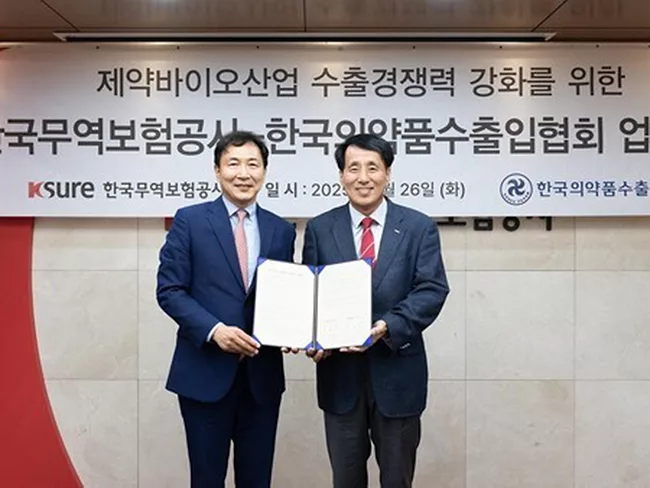
The Korea Pharmaceutical Traders Association said Aug. 26 that it signed a strategic agreement with Korea Trade Insurance Corp. to support South Korean companies exporting biopharmaceutical materials overseas.
 RSS
RSS