Deepecho Inc. received the U.S. FDA’s nod for its AI-based platform that assesses fetal biometry and amniotic fluid volume to improve the efficiency and precision of fetal ultrasound diagnostics.
The U.K. Medicines and Healthcare Products Regulatory Agency opened a second round in its AI airlock program although this round, like the first round, will be limited to four applicants.
On the same day that FDA Commissioner Martin Makary spoke in a fireside chat during the 2025 Biotechnology Innovation Organization’s International Convention, the agency unveiled a pilot commissioner’s national priority voucher program that will enable companies to receive a shortened FDA review time of one to two months.
Using informed consent to do what Congress couldn’t, the U.S. FDA is flexing its regulatory authority to halt clinical trials that involve sending cells from American patients to China or other adversarial nations for genetic engineering and subsequent infusion back into the patient.
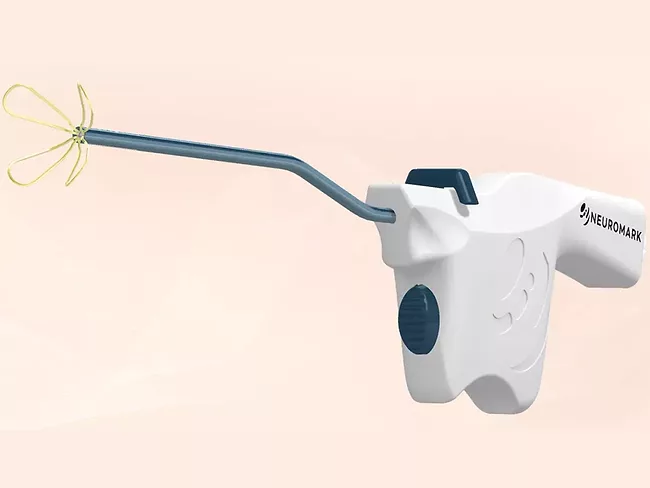
Amid rising demand for its Neuromark system, Neurent Medical Ltd. opened a new manufacturing facility in Ireland, which will serve as the central hub for the production of the device which treats chronic rhinitis.
The 17 members abruptly terminated June 9 from the U.S. CDC’s Advisory Committee for Immunization Practices are not going gently into the night. Instead, they’re raging against what could be the dying of the light.
After years of conversations surrounding indirect research costs, academic groups are now under the gun to quickly come up with an alternative to the NIH’s proposed 15% across-the-board cap on indirect costs and the decades-old university-by-university negotiated rate that can exceed a 50% add-on to a grant.
Two med-tech companies focused on pulmonary embolism overcame their own blockages to commercialization this week. Inquis Medical Inc.’s Aventus thrombectomy system received U.S. FDA clearance for use in pulmonary embolism, an expanded indication, while Penumbra Inc. completed enrollment in the STORM-PE clinical trial of its Lightning Flash device.
The U.S. Centers for Medicare & Medicaid Services finalized a coverage policy for at-home ventilation for patients with chronic respiratory failure. The amended policy also establishes a series of criteria for coverage of ventilation for chronic obstructive pulmonary disease.
It appears the U.S. FDA believes it’s never a bad time to release regulatory information about devices granted market access via the de novo program. The agency recently posted information on the vintage de novo granted in 2018 to Imagen Technologies Inc. for the company’s Osteo Detect algorithm.
 RSS
RSS