A pricing standoff between Pfizer Inc. and the Australian government has left women with advanced breast cancer facing tens of thousands of dollars in out-of-pocket costs, underscoring a growing global trend in which access to life-extending drugs is increasingly being shaped by pricing negotiations rather than clinical merit.
Daiichi Sankyo. Co. Ltd. will begin a phased sale of its consumer health subsidiary, Daiichi Sankyo Healthcare Co. Ltd., to Suntory Holdings Ltd., as the Tokyo-based drugmaker sharpens its focus on oncology.
Everest Medicines Ltd. has agreed to acquire a Singapore-based commercial unit of Hasten Biopharmaceuticals (Asia) Ltd. for $150 million up front, gaining market authorization holder rights to 14 marketed products originally developed by Takeda Pharmaceutical Co. Ltd.
The U.S. FDA has accepted for review Telix Pharmaceuticals Ltd’s resubmitted NDA for TLX101-Px (Pixclara, 18F-floretyrosine, 18F-FET), its radiolabeled glioma imaging product for characterizing progressive or recurrent glioma in adult and pediatric patients. The FDA assigned a Sept. 11, 2026, PDUFA date.
South Korea is rolling out regulatory changes to speed biosimilar development, including reforms to shorten review timelines, ease phase III trial requirements and simplify oversight of manufacturing changes.
After nearly a year of threats and promises of a global biopharma tariff of 25% to 500%, U.S. President Donald Trump finally delivered it. In the name of national security, he imposed a 100% sector tariff on prescription drugs and their associated ingredients beginning in about four months for large manufacturers and six months for smaller companies.
Australia is attempting a once-in-a-generation reset of its innovation system, and biotech industry leaders have lauded the federal government’s independent review into Australia's slipping R&D ranks and its proposals to reverse the decline.
U.S. lawmakers and industry experts are raising alarm over China’s expanding dominance across the pharmaceutical supply chain, warning that reliance on Chinese inputs poses a growing national security and public health risk.
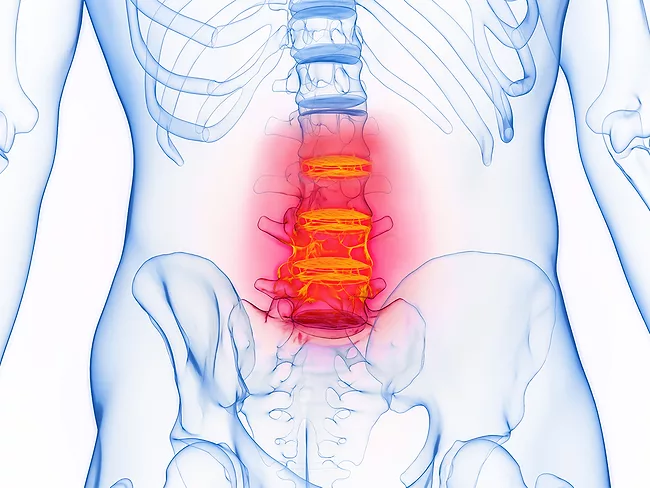
Qyuns Therapeutics Co. Ltd. has moved closer to its first commercial product after China’s National Medical Products Administration (NMPA) accepted its NDA for IL-17 antibody crusekitug (QX-002N) for treating ankylosing spondylitis (AS), a chronic inflammatory disease that affects the spine and sacroiliac joints.
China’s National Medical Products Administration (NMPA) has accepted for review Hightide Therapeutics Inc.’s NDA for HTD-1801 for type 2 diabetes, marking the Shenzhen-based company’s first NDA submission and a major step toward commercialization.
 RSS
RSS