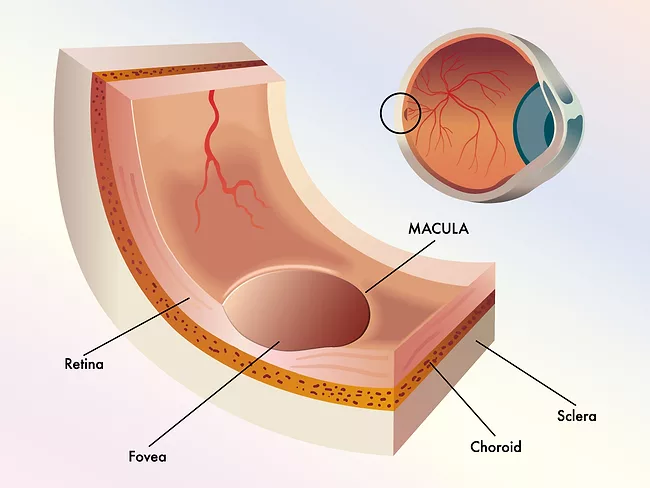
Vigeneron GmbH has received IND approval from the FDA for VG-801, a novel mRNA trans-splicing gene therapy to treat Stargardt disease and other retinal dystrophies associated with mutations in the ABCA4 gene. IND clearance enables initiation of a phase I/II trial, with a clinical trial application (CTA) submission to the EMA also planned in the coming months.
With no time to spare, the U.S. Congress is coming together on a continuing resolution (CR) to keep the federal government running beyond Dec. 20. Intended to fund the government at current levels through March 14, the CR itself is temporary. But of the 1,500-plus pages in the package House leadership released late Dec. 17, only about 100 pages pertain to the actual CR. More than a third of the package is devoted to the health-care sector.
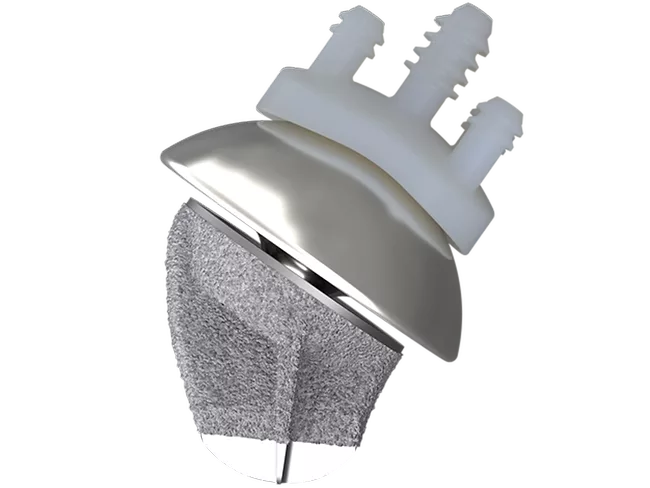
Smith & Nephew plc received U.S. FDA 510(k) clearance for Aetos Stemless, its stemless anatomic total shoulder implant. The greenlight for the device is a boon for the company’s orthopedics portfolio, which faces increasing pressure from U.S. competitors.
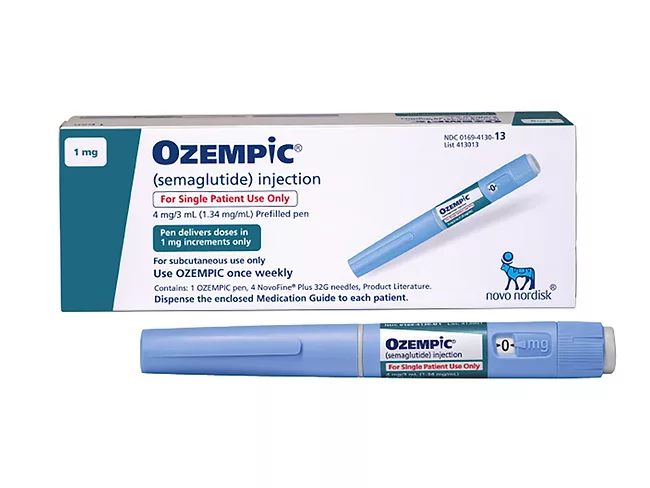
The Danish Medicines Agency is to ask the EMA’s pharmacovigilance committee to investigate a potential increased risk of an acute eye condition in diabetic patients being treated with the glucagon-like peptide-1 receptor agonist Ozempic (semaglutide).
Becton, Dickinson and Co. reached an agreement with the U.S. Securities and Exchange Commission (SEC) to resolve an investigation related to allegations that the company misled investors regarding the Alaris infusion system, which BD added to its portfolio with the $12.2 billion acquisition of Carefusion in 2015. BD will pay a $175 million civil penalty and agreed to a cease and desist order for the device.
A year after manufacturing issues resulted in a complete response letter for cosibelimab, the U.S. FDA approved Checkpoint Therapeutics Inc.’s drug, branded Unloxcyt, as the first anti-PD-L1 antibody for use in metastatic or locally advanced cutaneous squamous cell carcinoma patients who are not candidates for curative surgery or curative radiation.
While Spruce Biosciences Inc.’s tildacerfont missed its phase II primary endpoint in classic congenital adrenal hyperplasia (CAH) last March, the U.S. FDA approved Crenessity (crinecerfont) from Neurocrine Biosciences Inc. for treating pediatric and adult CAH patients. The nod could lead the drug to become a blockbuster, analysts said.
Heartbeam Inc. received U.S. FDA 510(K) clearance for its portable, non-invasive electrocardiogram system that enables on-the-go recording of heart signals. The cable-free, credit card-sized device uses five electrodes to capture signals from three directions and can be used whenever a patient feels symptoms, overcoming the challenge of identifying intermittent arrhythmias, which are often not experienced during scheduled appointments, without requiring patients to wear a device continuously.
The EMA’s Committee for Medicinal Products for Human Use recommended 17 drugs for approval at its December meeting, bringing the total for 2024 to 114. That is up from the 77 drugs recommended for approval in 2023, of which 39 were novel.
The U.S. FDA’s emphasis on alternatives to ethylene oxide is gaining momentum with the help of internationally recognized standards — such as ISO 11737 — in a move that will enable a less cumbersome approach to non-EtO device sterilization.
 RSS
RSS