Neurenati Therapeutics Inc.’s NEU-001 has been awarded U.S. orphan drug and rare pediatric disease designations by the FDA for the treatment of Hirschsprung disease.
Regenerative medicine company Mesoblast Ltd. is preparing to launch its allogeneic bone marrow-derived mesenchymal stromal cell (MSC) therapy, Ryoncil, (remestemcel-L), in March in the U.S. and has priced the treatment at roughly $1.55 million for a full course.
Australia’s Therapeutic Goods Administration (TGA) has once again decided against approving Eisai Australia Pty Ltd.’s amyloid beta binder, Leqembi (lecanemab), for treating patients with mild cognitive impairment due to Alzheimer's disease and mild Alzheimer's dementia.
The executive orders (EOs) pouring out of the Trump White House, and the resulting court challenges, continue to pile up, deepening the uncertainty hanging over the life sciences sector and the U.S. economy in general.
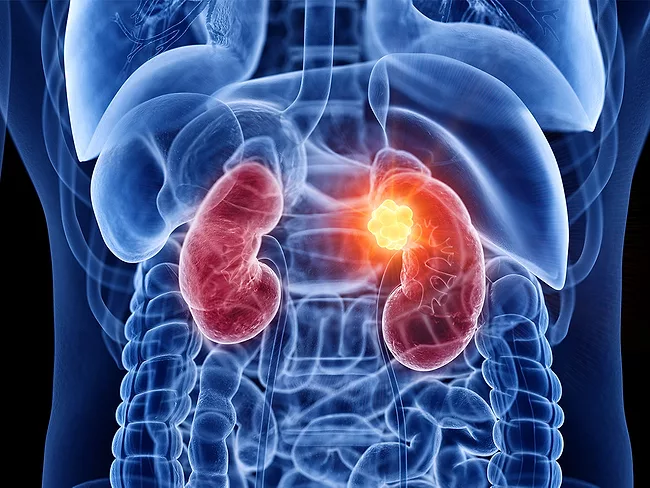
After a second round, the U.S. FDA has accepted for review radiopharmaceutical company Telix Pharmaceuticals Ltd.’s BLA for its kidney cancer PET imaging agent, TLX250-CDx (Zircaix, 89Zr-DFO-girentuximab), granting it a priority review with a PDUFA date of Aug. 27, 2025.
The world of machine learning-enabled medical technology is advancing rapidly, and regulators are struggling to keep up, and Health Canada has joined the ranks of regulators who are tackling these technologies.
Royal Phillips NV opted to withdraw the Tack endovascular repair device only six years after the U.S. FDA’s approved it. Tack is designed to repair vascular dissection caused by angioplasty. The associated recall lists 20 injuries and no fatalities, but the device design might be a culprit in forcing the withdrawal of the Tack.
Guangdong Fapon Biopharma Inc. has obtained IND clearance from the FDA for FP-008, its first-in-class immunocytokine for patients with solid tumors refractory to anti-PD-1 therapy.
On March 1, 2025, former NIH director Francis Collins’ announced that he had fully resigned from the NIH, where he continued to lead a laboratory after his resignation as director. Collins gave no reason for his resignation, but it comes just before this week’s confirmation hearings for Jay Bhattacharya, who is U.S. President Donald Trump’s nominee to lead the NIH and who Collins called a “fringe epidemiologist” during the COVID pandemic. It is a bitter irony that when Collins resigned as NIH director in 2021, then-President Joe Biden said that “countless researchers will aspire to follow in his footsteps.”
The U.S. Patent and Trademark Office has reversed a 2022 agency memorandum on discretionary denials of patent procedures, such as inter partes reviews.
 RSS
RSS