The U.S. Centers for Medicare & Medicaid Services has proposed a few significant changes to the new technology add-on program for the fiscal year 2025 inpatient prospective payment system, including a boost in NTAP rates for gene therapy services.
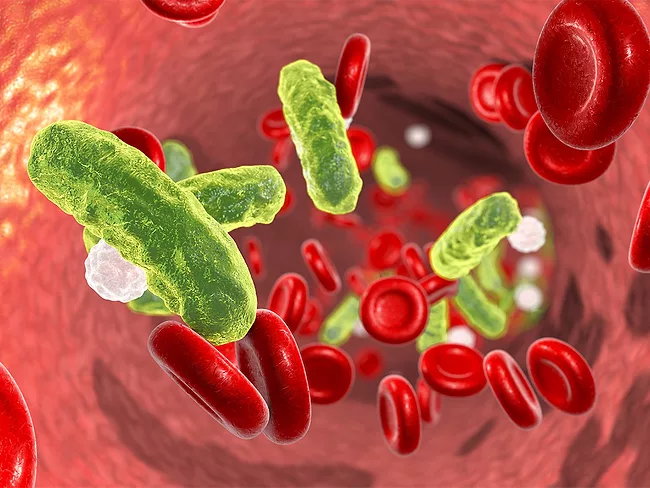
Prenosis Inc. gained U.S. FDA de novo marketing authorization for an artificial intelligence-powered rapid diagnostic tool for sepsis, one of the most challenging and deadly conditions in hospitals and reported a distribution agreement with Roche Holding AG. Another pairing also made progress in developing a sepsis in vitro diagnostic this week, as Bosch Healthcare Solutions GmbH and Randox Laboratories Inc. joined forces and committed €150 million (US$159.63 million) to the effort.
BLR Bio LLC announced that the U.S. FDA has granted orphan drug designation to BLR-200, the company’s investigational therapy for the treatment of systemic sclerosis (SSc).
Lamassu Biotech Inc. has announced that its IND for SA53-OS has been cleared by the FDA in the U.S. The planned phase I/IIa trials will investigate the genetically targeted therapy that blocks the MDM2 protein, a key regulator of the tumor suppressor p53 gene.
The FDA has granted orphan drug designation to the active ingredient in Soligenix Inc.’s Suvax, a subunit protein vaccine of recombinantly expressed Sudan ebolavirus (SUDV) glycoprotein, for the prevention and post-exposure prophylaxis against SUDV infection. SUDV is a type of ebolavirus for which there is no current treatment or vaccine.
With credit card fees taking a sizable bite of their billings, many U.S. health care providers are fighting back by offering patients cash discounts. But when a drug company covers card processing fees for its distributors to pass on to their provider clients so they can pay for so-called “buy-and-bill” Medicare Part B drugs with a credit card at cash prices, it’s fraud if those concessions aren’t figured into the drug’s average sales price – at least that’s what the U.S. Department of Justice is claiming in a complaint it released April 10 against Regeneron Pharmaceuticals Inc.
Follow-on biologic makers in China have been working to capitalize on looming patent cliffs of blockbuster biologics. Advancing biosimilars of denosumab (Prolia/Xgeva; Amgen Inc.) and semaglutide are the latest examples.
The Hatch-Waxman Act provides a safe harbor that allows importation of an FDA-regulated article that would otherwise be deemed a case of patent infringement so long as the importation is for purposes reasonably related to obtaining regulatory approval. Edwards Lifesciences Corp. sued Meril Life Sciences Pvt Ltd. for importation of heart valves in a manner that Edwards argued was infringement under Hatch-Waxman, but while the Federal Circuit ruled 2-1 against Edwards, the dissenting opinion recommended an appeal to a full 12-judge panel that could reverse this outcome.
The U.S. FDA has cleared Tr1x Inc.’s IND application for TRX-103 for the prevention of graft-vs.-host disease (GVHD) in patients undergoing HLA-mismatched hematopoietic stem cell transplantation (HSCT).
Cereno Scientific AB has submitted a clinical trial application (CTA) to the EMA seeking approval for a first-in-human, phase I study of CS-014, a novel histone deacetylase (HDAC) inhibitor drug candidate under development as an antithrombotic treatment.
 RSS
RSS