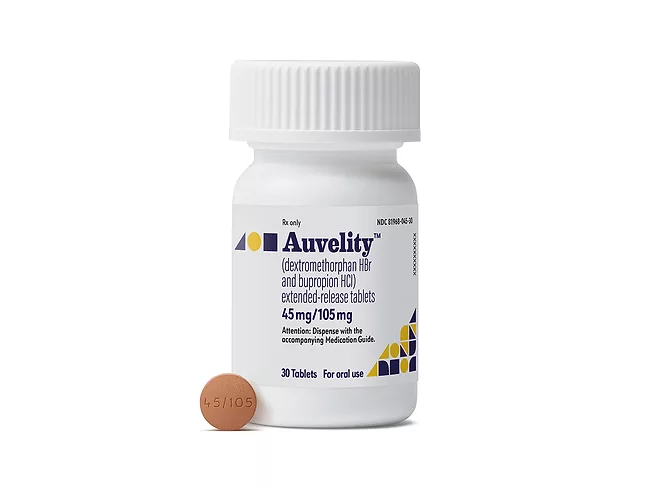
On the last day of the year, shares of Axsome Therapeutics Inc. rose 22% on news that the U.S. FDA accepted and granted priority review of the company’s supplemental NDA for AXS-05 to treat Alzheimer’s disease agitation, a $1 billion-plus opportunity, scheduling the PDUFA date for April 30.
The U.S. FDA dashed hopes that Corcept Therapeutics Inc. might be able to launch its selective glucocorticoid receptor antagonist in two indications in 2026, issuing a complete response letter for relacorilant for use in patients with hypertension secondary to hypercortisolism, also known as Cushing syndrome. Focus is now on the July 2026 PDUFA date, as Corcept seeks approval for the same drug as a treatment for patients with platinum-resistant ovarian cancer.
The U.S. FDA has approved its first pharma treatment in more than 40 years for motion sickness. The green light for Nereus (tradipitant), from Vanda Pharmaceuticals Inc., was based on three clinical studies, all pivotal, including two phase III real-world trials with patients on boats and another supporting study.
The U.S. FDA recently cleared Medtronic plc’s Hugo robotic-assisted surgery system and CMR Surgical Ltd.’s Versius Plus system, adding new options to the U.S. market to meet rising demand for robotic procedures. While Intuitive Surgical Inc. currently dominates the soft tissue surgical robotics space, these new entrants will provide hospitals and health care systems with greater choices when it comes to purchasing systems and expanding systems.
The U.S. FDA’s final guidance for clinical trial inspections conducted under the bioresearch monitoring (BiMo) program seems to deviate little if at all from the 2024 draft, but that is precisely the rub for some stakeholders. The Advanced Medical Technology Association pressed the agency to ensure that the final guidance takes into account the hazards of electronic access during remote BiMo audits, but the final guidance makes no such concessions.
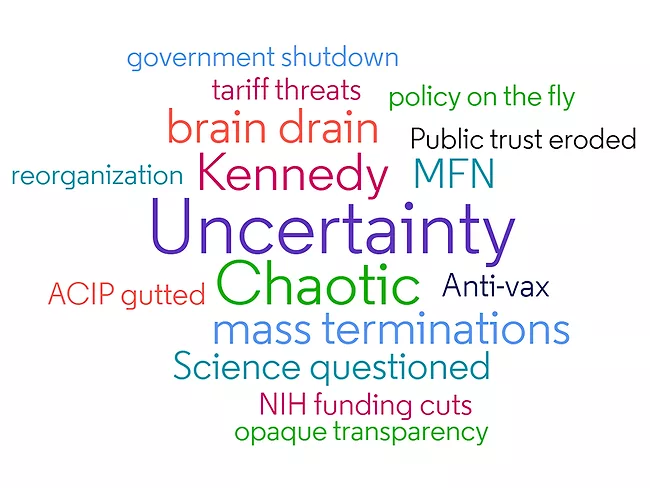
If the 2025 U.S. life sciences regulatory scene were to be summed up in one word, it would have to be uncertainty. Two words might be more definitive – chaotic uncertainty.
Shanghai Henlius Biotech Inc. has announced acceptance of IND applications by China’s National Medical Products Administration (NMPA) for three differentiated candidates for the treatment of solid tumors.
A federal judge in Maine has put the brakes on a pilot program that would have enabled biopharma companies to offer rebates instead of up-front discounts as part of the 340B program beginning Jan. 1, 2026.
Every year seems to introduce novel approaches to litigation when it comes to product liability and other theories of harm from medical devices, and 2025 was no exception. One of the more interesting cases was CLF 007 v. Cooper Surgical, which broke new ground for its handling of non-existent state legal precedent.
The new U.S. FDA leadership has broken with standing agency practice in several areas and in the latest move seeks to cut out the middleman in FDA contracting practices, a development that might aid small firms that are financed by venture capital.
 RSS
RSS