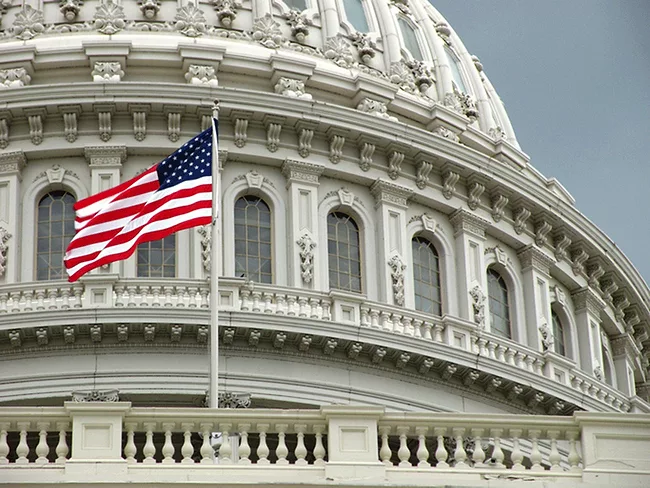
With the $2 trillion Build Back Better spending bill held up in the U.S. Senate, President Joe Biden took to his public microphone Dec. 6 to call on senators to pass the bill that will permit Medicare negotiation of certain prescription drug prices, impose an excise tax on drug companies that raise the price of their products beyond inflation and set a monthly cap on cost-sharing for insulin.
Beigene Ltd. has received approval from China’s NMPA to market Sylvant (siltuximab) for the treatment of patients with multicentric Castleman disease, including HIV-negative and human herpes virus-8-negative disease. The green light comes at a good time as the Beijing-headquartered company is preparing for a $3.5 billion listing on Shanghai’s STAR Market, its third listing. The monoclonal antibody siltuximab previously received regulatory approval in the U.S. and Europe.
The release of the FDA’s briefing document for a Dec. 8 meeting of its Cardiovascular and Renal Drugs Advisory Committee triggered heavy trading and a 38% drop in value in Reata Pharmaceuticals Inc., of Plano, Texas.
Pharmaceutical companies in China will cut the prices for more than five dozen drugs by an average of 61.7% to get them on the latest version of the country’s National Drug Reimbursement List. The National Healthcare Security Administration released the new list on Dec. 3, 2021. The new list includes 74 new drugs, the vast majority of which are branded products without generic versions in China. Only seven of the new drugs on the list have generic versions.
Regulatory snapshots, including global submissions and approvals, clinical trial approvals and other regulatory decisions and designations: Caldera Medical.
The rise of large national health care systems, mainly in Europe, has created an ongoing tension with the free market ethos of the pharma industry. After years of painstaking and costly research, drug makers want that moment when they can reap the rewards for their hard work bringing an innovative new therapy to the market. But in countries in Europe and beyond where there are national health care systems with stringent cost constraints, it’s not feasible to meet these price demands, at least without some form of rationing to keep down expenditure.
Longeveron Inc.’s share price (NASDAQ:LGVN) jumped 11.7% on Dec. 3 after the FDA awarded orphan designation to Lomecel-B, allogeneic bone marrow-derived mesenchymal stem cells, for treating hypoplastic left heart syndrome. The designation came two weeks after the FDA granted rare pediatric disease designation for Lomecel-B to treat the life-threatening congenital heart defect in infants.
Usama Malik, Immunomedics Inc.’s former chief financial officer, and his former partner, Lauren Wood, face SEC charges related to insider trading in Immunomedics’ stock.
 RSS
RSS