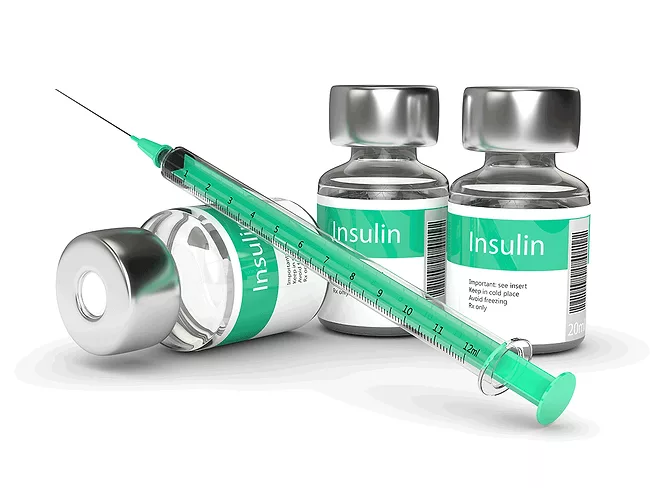
The FDA Thursday approved Mylan NV’s Semglee (insulin glargine), adding another player to the U.S. insulin space that has been pretty much controlled by three companies – Eli Lilly and Co., Novo Nordisk A/S and Sanofi SA.
Due to the pressing challenges of COVID-19, Health Canada is giving drug companies six more months to prepare for major reforms to its 1987 Patented Medicines Regulations.
Regulatory snapshots, including global drug submissions and approvals, clinical trial approvals and other regulatory decisions and designations: Biophytis, BMS, CNS, Diffusion, Eyegate, Genequantum, Inmune, Intelgenx, Lannett, Leo, Mylan, Novartis, Pfizer.
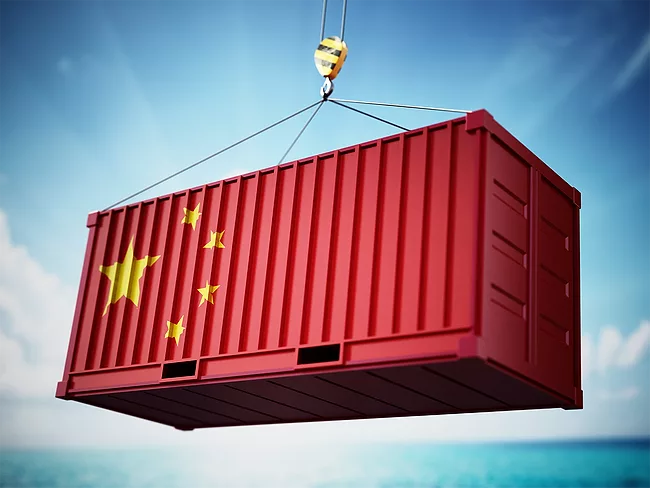
The impact of the COVID-19 pandemic has reached into quarters that are not historically problematic for makers of diagnostics, including China’s import and export practices for test kits. According to one caller on an FDA diagnostic town hall, export officials in China have a blacklist and a whitelist for test kits, but there is some dispute as to whether kits that are eligible for distribution in the U.S. can get off the blacklist unless that kit is specifically called out via the emergency use authorization (EUA) program.
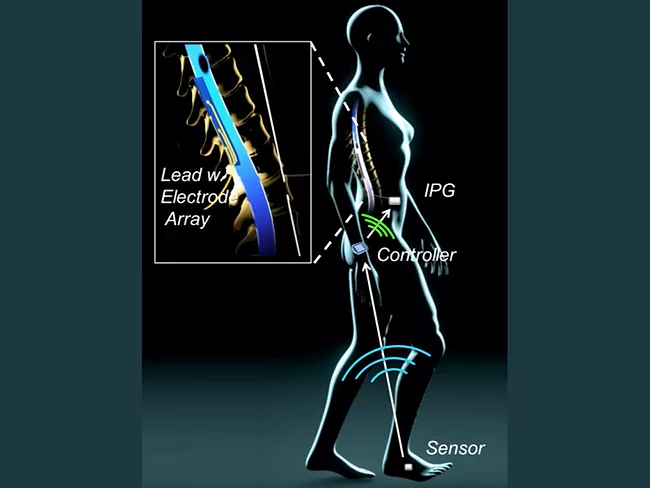
The U.S. FDA granted Gtx Medical BV a breakthrough device designation for its implantable Go-2 Targeted Epidural Spinal Stimulation (TESS) system. The device enabled patients who had sustained traumatic spinal cord injuries to regain voluntary control over previously paralyzed muscles and walk again four or more years after paralysis, according to a study previously published in Nature.
Regulatory snapshots, including global submissions and approvals, clinical trial approvals and other regulatory decisions and designations: Chromacode, Illumina, Quidel.
HONG KONG – India’s Ministry of Health and Family Welfare (MOHFW) has drafted rules for the manufacturing, import and the compassionate use of unapproved drugs in the treatment of patients.
 RSS
RSS