With four gene therapies already approved and more than 900 in development, the FDA has finalized six guidances and issued a draft guidance to clarify the rules of the road for developing and manufacturing the treatments.
Tempe, Ariz.-based Gt Medical Technologies Inc. has won the U.S. FDA’s nod for an expanded indication for Gammatile therapy. With this decision, patients with newly diagnosed malignant brain tumors now are eligible to receive the FDA-cleared surgically targeted radiation therapy. Gammatile therapy offers an option vs. waiting several weeks for surgical wound healing before beginning treatment. Previously, the therapy was available for individuals with recurrent brain tumors.
The latest global regulatory news, changes and updates affecting biopharma, including: Emmaus Life Sciences Inc., Global Blood Therapeutics Inc., Novartis AG and Vyera Pharmaceuticals LLC
The 2.3% tax on medical devices is a thing of the past. Now, Mark Leahey, president and CEO of the Medical Device Manufacturers Association (MDMA), has revealed to BioWorld that the supporters of the Affordable Care Act (ACA) saw the tax as little more than “a spreadsheet exercise” in financing the more costly elements of the legislation.
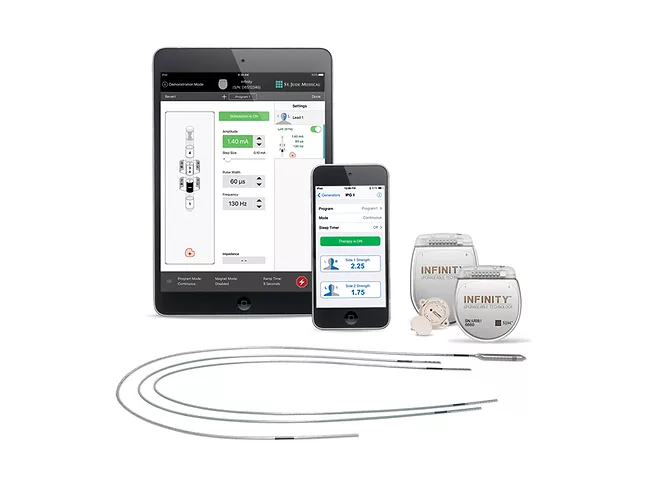
Abbott Laboratories had a winning week, scoring U.S. FDA approval of its Infinity directional deep brain stimulation (DBS) system in treating symptoms of Parkinson’s disease not adequately managed by medication. The company also reported new data underscoring the benefits of its Proclaim XR neuromodulation system in people living with chronic pain.
The latest global regulatory news, changes and updates affecting medical devices and technologies, including: Agency for Healthcare Research and Quality, Centers for Medicare and Medicaid Services, First Coast Services Options, Livanova, Medline Industries, National Institute for Health and Care Excellence, Novitas Solutions
Matthew Ros, chief strategy and business officer for Epizyme Inc., said the company is “not providing specific guidance at the moment” about the sales force that will be deployed to market Tazverik (tazemetostat) in follicular lymphoma (FL), an indication for which U.S. regulators are considering the oral, first-in-class EZH2 inhibitor. “But I can assure you we’ve planned very thoughtfully” about the effort, he said. “That's always been a part of why we thought epithelioid sarcoma [ES] was such a strategically important component of the overall business strategy to get on-the-ground experience.” The sales force numbers 19 for now.

 RSS
RSS