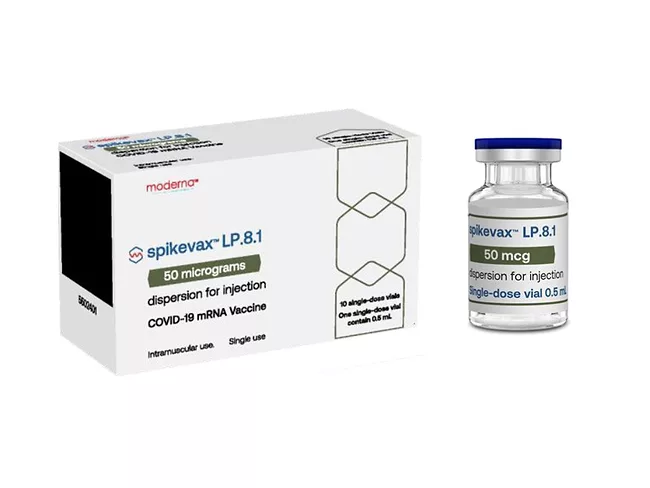
In what it says could be the largest disclosed patent settlement in the pharmaceutical industry, Roivant Sciences Ltd. has reached a potential $2.25 billion settlement with Moderna Inc. over the use of its lipid nanoparticle delivery technology in the Spikevax COVID-19 vaccine.
Looking to fill a treatment gap, the U.S. Biomedical Advanced Research and Development Authority (BARDA) is launching the first stage of a $100 million prize competition to support development of broad-spectrum, small-molecule antiviral therapies targeting viruses in the Togaviridae and Flaviviridae families.
Looking to fill a treatment gap, the U.S. Biomedical Advanced Research and Development Authority (BARDA) is launching the first stage of a $100 million prize competition to support development of broad-spectrum, small-molecule antiviral therapies targeting viruses in the Togaviridae and Flaviviridae families.
The value of biopharma deals involving nonprofit partners declined sharply over the past several years, falling to about $127.43 million in 2025 after exceeding $21.4 billion in 2021. The 2025 total also represents a steep drop from 2024’s $754.56 million.
The value of biopharma deals involving nonprofit partners declined sharply over the past several years, falling to about $127.43 million in 2025 after exceeding $21.4 billion in 2021. The 2025 total also represents a steep drop from 2024’s $754.56 million.
Biopharma partnerships involving nonprofits have declined sharply since peaking during the pandemic. Deal value surged from $5.18 billion in 2019 to $21.44 billion in 2021, driven by COVID-19 collaborations and vaccine-related funding, before falling to $7.99 billion in 2022 and $754.6 million in 2024. So far in 2025, nonprofit deal value totals $126 million through the third quarter.
Biopharma partnerships involving nonprofits have declined sharply since peaking during the pandemic. Deal value surged from $5.18 billion in 2019 to $21.44 billion in 2021, driven by COVID-19 collaborations and vaccine-related funding, before falling to $7.99 billion in 2022 and $754.6 million in 2024. So far in 2025, nonprofit deal value totals $126 million through the third quarter.
French vaccines specialist Osivax SAS has been awarded $19.5 million by the U.S. Biomedical Advanced Research and Development Authority (BARDA) to fund work on its universal influenza A vaccine.
Cancel culture continues at the U.S. Department of Health and Human Services (HHS) as it observes National Immunization Awareness Month with another strike against vaccines. This time, a $500 million strike specifically targets 22 mRNA vaccine R&D programs at the Biomedical Advanced Research and Development Authority (BARDA), marking the beginning of the end of BARDA’s funding for mRNA vaccines.
The COVID-19 pandemic sent the world into a tailspin, raising ongoing concerns about biosecurity, a subject that encompassed the better part of the morning June 16, the first day of the Biotechnology Innovation Organization’s annual conference in Boston.
 RSS
RSS