In a move that could give patients quick access to drugs their doctors prescribe, the U.S. CMS is proposing a rule giving insurers no more than 24 hours to respond to urgent prior authorization requests and 72 hours for standard requests. The rule also would require full disclosure of claims denials and appeals outcomes.
Even though case law has established that 340B-covered providers can’t sue drug companies for overcharging on the steeply discounted drugs, the Adventist Health System of West tried a new door into court – as a whistleblower under the False Claims Act.
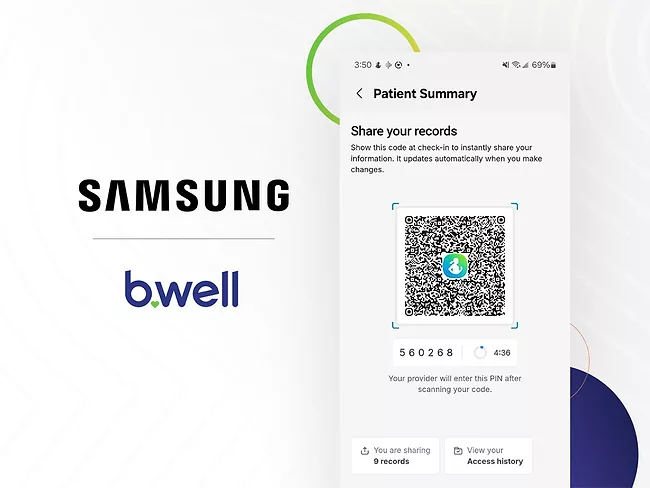
Samsung Electronics Co. Ltd. is partnering with Verily Life Sciences LLC, an Alphabet Inc. company, and B.well Connected Health to turn Samsung Galaxy phones and smart watches into the “front door” of U.S. health care.
Samsung Electronics Co. Ltd. is partnering with Verily Life Sciences LLC, an Alphabet Inc. company, and B.well Connected Health to turn Samsung Galaxy phones and smart watches into the “front door” of U.S. health care.
Patrick Cassells, of Fulshear, Texas, was sentenced March 6 to more than seven years in prison and ordered to pay more than $25 million in restitution and forfeiture after he pleaded guilty nearly two years ago to one count of health care fraud that involved the three durable medical equipment companies he owned and operated.
The U.S. FDA’s expectations that its new default position of basing marketing authorization of novel drugs on one adequate, well-controlled trial may be overstated. In explaining the policy in a recent article in TheNew England Journal of Medicine, FDA Commissioner Marty Makary and CBER Director Vinay Prasad said they expect the initiative will create a “surge in drug development,” substantially reduce development costs and will speed drugs to market. While the initiative could reduce the time to the U.S. market, those expectations don’t take into consideration global norms and payer expectations.
Undeterred by all the unsuccessful biopharma suits challenging the U.S. Medicare price negotiations, Abbvie Inc. filed its own complaint Feb. 11 in the U.S. District Court for the District of Columbia, seeking to undo CMS’ selection of Botox in the third round of the negotiations.
A new draft guidance for organ procurement organizations doing business in the U.S. would seem to tackle some pressing issues with organ donation, such as the conditions in which a problem qualifies as an adverse event. Perhaps of greater interest to companies in the organ container business is that the Centers for Medicare & Medicaid Services is intent on increasing the availability of organ donations to deal with an insatiable demand for donated organs.
The pressure on U.S. drug prices continues, with the CMS lining up the drugs for round 3 of negotiations, which will set maximum fair prices to go into effect in 2028. The slate includes 15 drugs and, for the first time, opens the negotiations to Part B drugs, as well as Part D. Consequently, seven of the 15 selected drugs are biologics.
 RSS
RSS