Oddsmakers placing their bets on which drugs will be in play for round 3 of the U.S. Inflation Reduction Act (IRA) price negotiations are doing some reshuffling, thanks to an orphan drug provision tucked into the Trump administration’s One Big Beautiful Bill Act (OBBBA) that was signed into law on the Fourth of July.
Three milestones expected to bring the reality of U.S. prescription drug price negotiations into focus are hovering on the horizon. First, the CMS is scheduled to publish its maximum fair prices (MFPs) for the round 2 selected drugs by Nov. 30. Then, on Jan. 1, the MFPs for the first round kick in, affecting not only the 10 selected drugs, but a dozen approved biosimilars referencing the three biologics in that round, 94 generics either approved or tentatively approved that reference the small molecules on the list, and perhaps other innovator drugs in the same therapeutic spaces. And by Feb. 1, CMS must publish the list of up to 15 drugs selected for negotiations for the 2028 price year. That list will be the first to include Part B drugs.
The Medicare Payment Advisory Commission said in a recent report that Medicare spending in the U.S. is poised to nearly double to $1.9 trillion over the coming eight years, a figure that is likely to apply ever-increasing price pressures on makers of devices, diagnostics and pharmaceuticals.
The Medicare Payment Advisory Commission said in a recent report that Medicare spending in the U.S. is poised to nearly double to $1.9 trillion over the coming eight years, a figure that is likely to apply ever-increasing price pressures on makers of devices and diagnostics.
The U.S. Centers for Medicare & Medicaid Services proposed to use AI to cut down on abuse of the Medicare program, but several members of Congress have concerns about the notion, given that private payers have used AI to illegitimately deny services to their beneficiaries.
The U.S. Centers for Medicare & Medicaid Services proposed to use AI to cut down on abuse of the Medicare program, but several members of Congress have concerns about the notion, given that private payers have used AI to illegitimately deny services to their beneficiaries.
The U.S. Centers for Medicare & Medicaid Services adopted several significant policy changes in the Medicare inpatient final rule for fiscal 2026, which includes a larger rate bump for hospitals than seen in the draft.
President Donald Trump sent letters July 31 to the CEOs of 17 major drug manufacturers doing business in the U.S., giving them 60 days to comply with his May 12 executive order (EO) on most-favored-nation (MFN) pricing. The EO appealed to drug companies to undertake MFN pricing voluntarily to end the freeloading in which other developed countries pay, on average, three times less than Americans are charged for the same medicines.
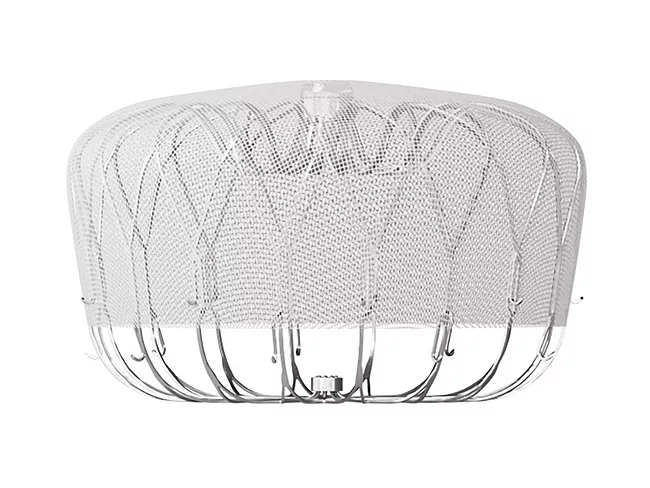
The ink is barely dry on the draft Medicare physician fee schedule for 2026, but three cardiology societies blasted the draft for cutting rates for left atrial appendage closure procedures – a move they said needlessly endangers patients.
An advisory committee for the U.S. Centers for Medicare & Medicaid Services endorsed a series of patient- and clinician-reported outcomes that might not be reflected in the evidentiary bases for currently available technologies. This development suggests some manufacturers will have to conduct new studies of their devices in order to sustain Medicare coverage.
 RSS
RSS