Pfizer Inc.’s Ticovac has been approved by the FDA for immunizing those ages 1 year and older against tick-borne encephalitis, a disease that’s not endemic to the U.S. but increasingly is found in Europe and Asia. Ticovac, developed with a master seed virus, was first approved outside the U.S. 45 years ago. Before the FDA approval, the CDC had recommended that travelers on their way to high-risk areas be vaccinated in Europe though the process could take up to six months.
Merck & Co. Inc.'s $1.05 billion acquisition of Peloton Therapeutics Inc. in 2019, a big bet on the hypoxia inducible factor-2 alpha inhibitor belzutifan, has paid off with an earlier-than-anticipated FDA approval of the drug for cancers associated with von Hippel-Lindau disease. The therapy will be marketed as Welireg.
An unexpected complete response letter (CRL) from the FDA has thrown a wrench into Sesen Bio Inc.’s commercial launch plans for Vicineum (oportuzumab monatox) in high-risk BCG-unresponsive non-muscle invasive bladder cancer (NMIBC). The company, which has spent the past few months completing its commercial build phase and hiring sales reps ahead of the Aug. 18 PDUFA date, instead must now address outstanding clinical and statistical data and analyses, in addition to CMC issues, cited in the CRL.
The FDA has made allowances for a third COVID-19 vaccine dose to protect certain adults with compromised immune systems. The amended emergency use authorization amendments allow for booster doses of mRNA vaccines from Pfizer Inc.-Biontech SE and Moderna Inc.
According to the White House, the FDA is poised to allow COVID-19 booster shots from Pfizer Inc. and Moderna Inc., the two mRNA vaccines, but only for those people with compromised immune systems. The FDA announcement was anticipated to be as early as today, Aug. 12, and the boosters could be available as quickly as this coming weekend.
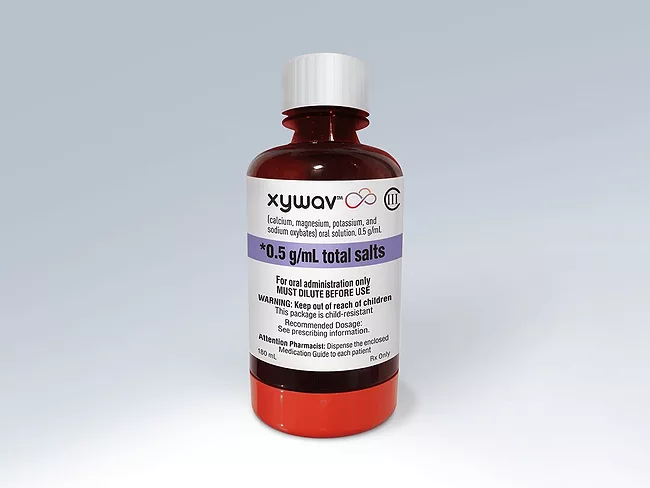
With generic competition on the horizon for its older sleep disorder drug Xyrem, Jazz Pharmaceuticals plc gained an added indication for its GABA B receptor agonist Xywav as the FDA approved it for idiopathic hypersomnia.
The FDA’s latest version of the intended use rule is a complex, 61-page document that cleaned up a few things from the previous version and added a phrase or two to the regulatory lexicon. Randy Prebula, a partner in the D.C. office of Hogan Lovells U.S. LLP, told BioWorld that while the FDA left itself some wiggle room by avoiding a prescriptive use of language in the rule, the final rule is unlikely to be the final word on the intended use question.
Fibrogen Inc. was braced for receiving a complete response letter (CRL) and it got one. The FDA suggested it would not approve roxadustat’s NDA for treating anemia of chronic kidney disease until more clinical work is conducted. In July, the FDA’s Cardiovascular and Renal Drugs Advisory Committee said basically the same thing as it voted 13-1 against approval for the nondialysis population and 12-2 against approval for patients on dialysis unless more trial data are submitted.

 RSS
RSS