The realignment within the U.S. FDA continued with reports of the removal of two high level executives. When asked by BioWorld if the Center for Biologics Evaluation and Research’s (CBER) Office of Therapeutic Products director and deputy director had been forced out and if so, why, an HHS spokesperson responded on background with a single sentence: “Center directors deserve to be supported by managers that are aligned with aggressive goals to expeditiously advance therapeutics for rare diseases using the gold standard of science.”
Jyong Biotech Ltd. raised $20 million from its Nasdaq debut June 17 to advance a pipeline of botanical drugs targeting male urinary disorders. The New Taipei City, Taiwan-headquartered company’s shares began trading under the ticker MENS, and closed at $10.11 apiece at the bell, up 34.80% from its listing price of $7.50 per share. Shares had kicked up to $15 at opening, reaching double its offering price.
On the same day that FDA Commissioner Martin Makary spoke in a fireside chat during the 2025 Biotechnology Innovation Organization’s International Convention, the agency unveiled a pilot commissioner’s national priority voucher program that will enable companies to receive a shortened FDA review time of one to two months.
Shares of Nextcure Inc. (NASDAQ:NXTC) dropped 26.27% on news of a potential $745 million partnership with Simcere Zaiming for Simcere’s cadherin-6 antibody-drug conjugate (ADC) candidate. Shares ended at 50 cents apiece June 16.
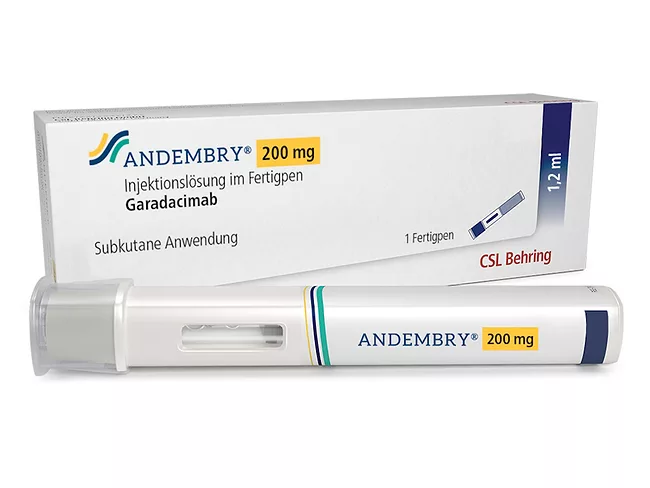
Following a complete response letter issued last October over CMC issues, CSL Behring LLC gained U.S. FDA approval June 16 of its humanized anti-factor XIIa monoclonal antibody, garadacimab (CSL-312), to prevent hereditary angioedema attacks.
During a conference call after the U.S. FDA approval of Zusduri (mitomycin), Urogen Pharma Ltd. CEO Liz Barrett offered candid observations about a “roller-coaster ride” sparked by a mixed-outcome advisory panel meeting held May 21. Zusduri is designed to treat recurrent low-grade, intermediate-risk, non-muscle invasive bladder cancer.
Slightly ahead of the assigned June 23 PDUFA date, Nuvation Bio Inc. scored the U.S. FDA’s go-ahead for Ibtrozi (taletrectinib) to treat adults with locally advanced or metastatic ROS1-positive non-small-cell lung cancer (NSCLC).
With the U.S. FDA’s approval of Enflonsia (clesrovimab) to prevent respiratory syncytial virus (RSV) infection lower respiratory tract disease in newborns and infants, Merck & Co. Inc. steps into a space of competition and regulatory shifts. The preventive, long-acting monoclonal antibody (MAb)
will take its place in the market alongside the blockbuster Beyfortus (nirsevimab) from Sanofi SA and Astrazeneca plc. The MAb for pediatric use brought in about $1.77 billion in 2024.
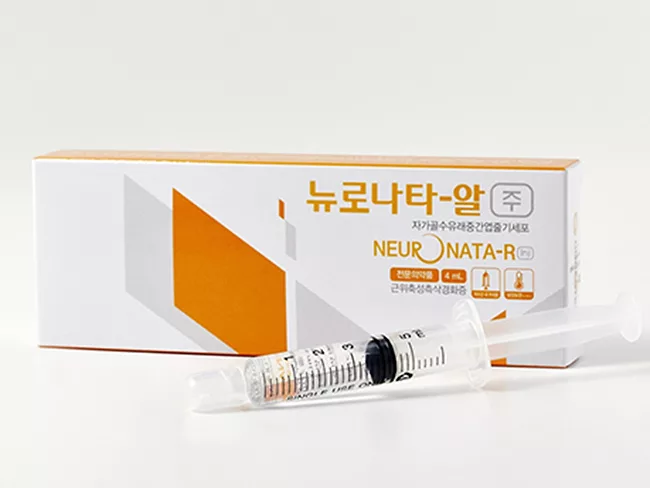
Corestemchemon Inc. is planning to file a BLA for Neuronata-R (lenzumestrocel) by the end of 2025 to gain accelerated approval from the U.S. FDA, company officials confirmed to BioWorld during a June 2 interview. Neuronata-R is an autologous bone marrow-derived mesenchymal stem cell therapy that first gained approval in South Korea in 2014 to delay the progression of amyotrophic lateral sclerosis (ALS), a progressive neurodegenerative disorder also known as Lou Gehrig’s disease.
Children with solid tumors who relapse are being treated with the same chemotherapy they would have been given 40 years ago, as “there have been no major approvals for pediatric solid tumors,” Catherine Bollard, senior vice president and chief research officer at Children’s National Hospital, said at a June 5 FDA roundtable on cell and gene therapies (CGTs). The problem isn’t the science. Bollard said many groups are working on curative CGTs “for these children who have lost all other hope for survival.” The real gap is that “big pharma doesn’t see the business model because it’s a rare disease,” she added.

 RSS
RSS