Aprea Therapeutics Inc. has submitted an IND application to the FDA to initiate clinical trials of APR-1051, an oral next-generation small-molecule inhibitor of WEE1 kinase.
In a first, the U.S. FDA accepted an artificial intelligence (AI)/machine learning-model into its Innovative Science and Technology Approaches for New Drugs (ISTAND) pilot program for drug development. The program will support use of Deliberate AI Inc.’s anxiety and depression assessment tool, called the AI-generated Clinical Outcome Assessment (AI-COA), as a qualified drug development tool.
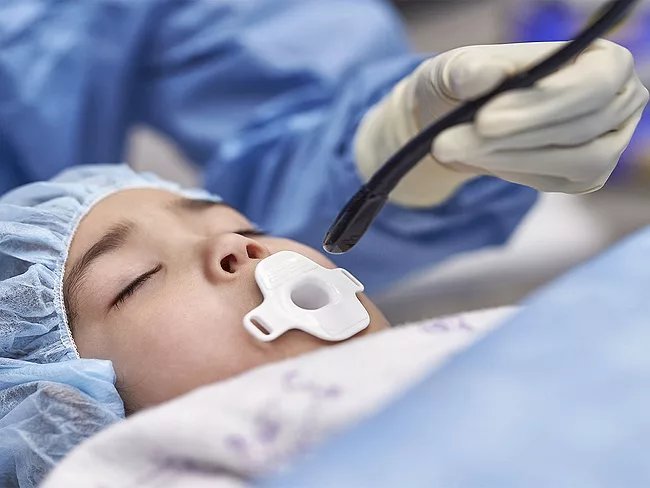
Cyted Ltd. received U.S. FDA 510(k) clearance for its Endosign capsule technology, a non-endoscopic capsule sponge device used to collect pan-esophageal samples to detect esophageal pre-cancer and other conditions. The company believes that the minimally invasive test will be able to help prevent deaths from esophageal cancer when offered as a screening test to people on long-term medication for heartburn.
Acepodia Inc. has obtained FDA clearance of its IND application for ACE-2016, an allogeneic γδ2 T-cell therapy for the treatment of epidermal growth factor receptor (EGFR)-expressing malignancies in patients with solid tumors.
The U.S. FDA has announced the next stage in its program to down-classify a series of in vitro diagnostics (IVDs) from class III to class II, a change that would significantly ease the premarket requirements for these test types. Much of the emphasis here is on companion diagnostic (CDx) tests, a category of products that is the focus of a separate FDA imperative, but there are those who view this down-classification regime as little more than a meager attempt to paste over a massive impending regulatory overhang.
Royal Philips NV recently received some good news from the U.S. FDA which cleared its latest transesophageal echocardiography (TEE) ultrasound transducer, amidst ongoing efforts with the regulatory body to address problems with its sleep business. The X11-4t Mini 3D TEE transducer is 35% smaller than previous versions and is designed to provide cardiologists with high quality 3D images of the heart and its internal structure.
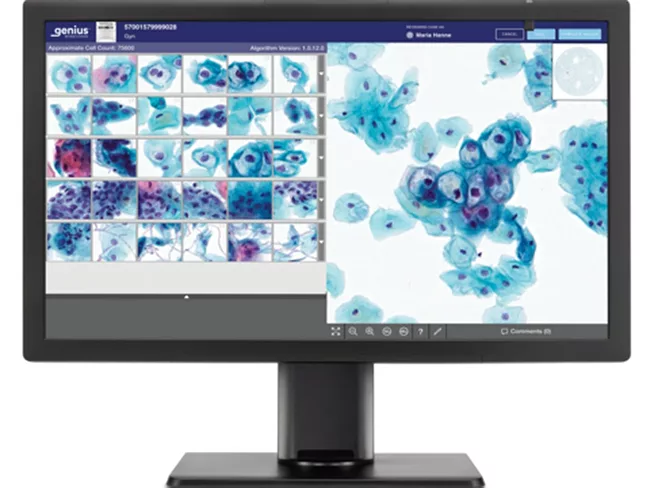
Hologic Inc.’s focus on women’s health is looking like a brilliant move as the company lands U.S. FDA clearance for its Genius digital diagnostics system with the Genius cervical artificial intelligence algorithm, making it the first digital cytology system with clearance, the company said.
Edwards Lifesciences Corp. received some good news with the earlier-than-expected U.S. FDA approval of its Evoque tricuspid valve replacement system. The company beat out rival Abbott Laboratories for the honor of being the first transcatheter therapy to receive FDA approval.
Cognito Therapeutics Inc. closed a $35 million extension to the series B fundraising round it started in 2023, bringing the total for the round to $108 million and the total funding to date to $128 million. Cognito is developing Spectris, a wearable medical device that provides visual and auditory stimulation for the treatment of Alzheimer’s disease and other neurological disorders.
 RSS
RSS