It’s been a decade since Sandoz Inc. launched Zarxio, referencing Amgen Inc.’s Neupogen (filgrastim), as the first biosimilar in the U.S. Zarxio was expected to be the beginning of a biosimilar boom that would deliver big savings by finally providing direct competition for costly biologics. Neither the pipeline nor the uptake of biosimilars has lived up to expectations, as only 6% of the 313 biologics approved by the FDA’s CDER have been targeted by biosimilars and fewer than 5% are actually competing with the follow-ons.
Peptidream Inc. has submitted IND applications to the FDA to initiate phase I studies of [225Ac]PD-32766, as a potential radiotherapeutic, and [64Cu]PD-32766, as the radiodiagnostic pair, for patients with clear cell renal cell carcinoma (ccRCC).
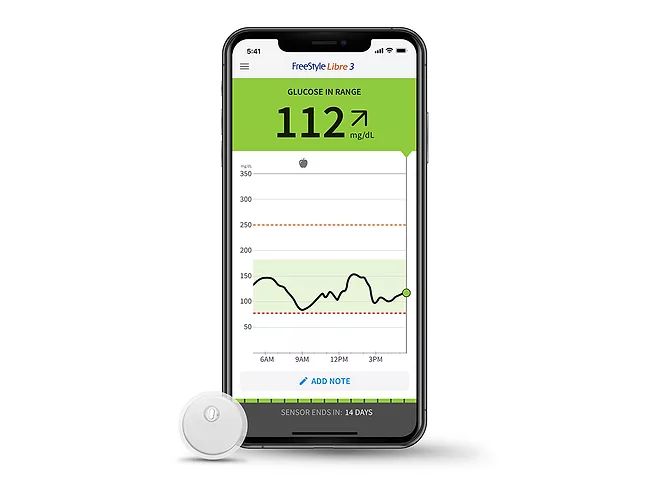
Abbott Laboratories announced a recall of Freestyle Libre 3 and Libre 3 Plus sensors used in continuous glucose monitors after receiving reports of more than 700 injuries and seven fatalities that may be associated with the sensor malfunction. The company did not describe the nature of the malfunction let alone a root cause, but said the affected product comes from only one of three production lines, and thus it expects no shortages associated with the recall.
The U.S. FDA cleared 20 drugs in October 2025, up from 17 in September, 18 in August and 17 in July, bringing the year’s total to 181 approvals through the first 10 months. Two new molecular entities (NMEs) gained U.S. approval in October: Boehringer Ingelheim GmbH’s Jascayd and Bayer AG’s Lynkuet.
A new oral HER2-directed breast cancer therapy from Bayer AG, and its companion diagnostic from Thermo Fisher Scientific Inc., have been approved by the U.S. FDA. Hyrnuo (sevabertinib), a reversible tyrosine kinase inhibitor, was greenlit by the agency for adults with locally advanced or metastatic non-squamous advanced HER2-mutant non-small-cell lung cancer.
U.S. and European organ-on-a-chip specialty biotechnology companies are driving development of organ-on-a-chip technologies, fueled by the U.S. FDA’s decision to phase out animal testing for investigational new drugs.
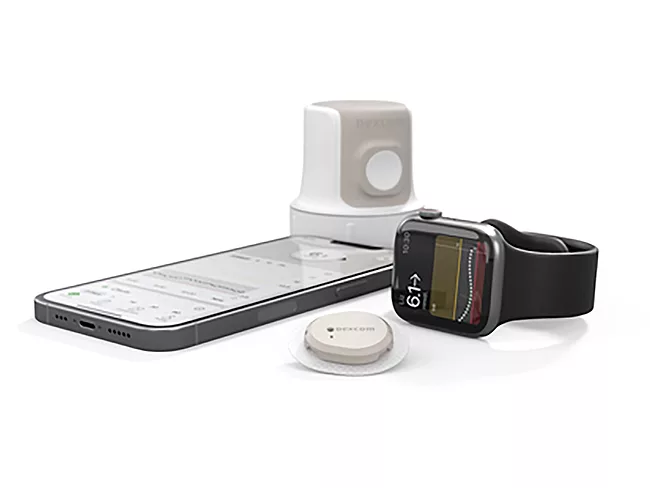
Dexcom Inc. received U.S. FDA clearance for its Smart Basal CGM-integrated basal insulin dosing optimizer. Designed for adults with type 2 diabetes using glargine U-100 long-acting insulin therapy, Smart Basal uses data from Dexcom’s G7 15 Day sensor with doses logged by the user to personalize recommendations and adjust long-acting insulin doses, with direction from the patient’s health care provider.
U.S. and European organ-on-a-chip specialty biotechnology companies are driving development of organ-on-a-chip technologies, fueled by the U.S. FDA’s decision to phase out animal testing for investigational new drugs.
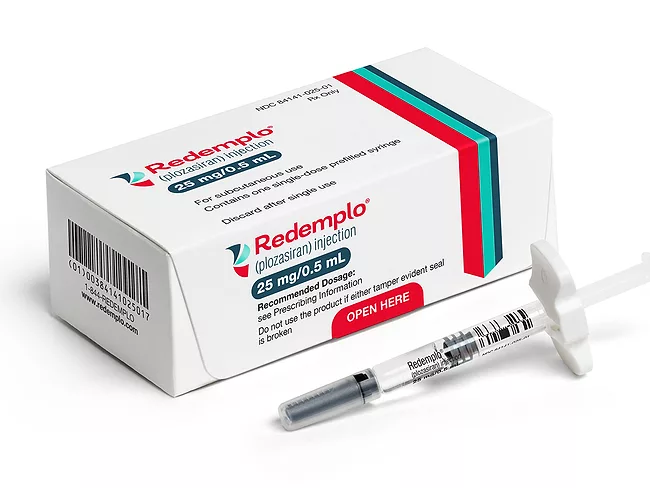
Arrowhead Pharmaceuticals Inc. won U.S. FDA approval of plozasiran in familial chylomicronemia syndrome (FCS), the second drug to gain clearance for use in the rare genetic disease following the late 2024 nod for Ionis Pharmaceuticals Inc.’s Tryngolza (olezarsen), setting up a battle in the marketplace even as the firms wage a patent dispute regarding the two RNA-based therapies.
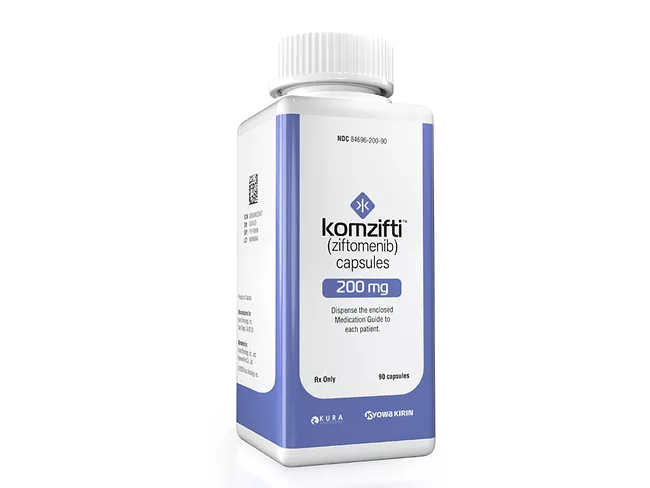
The U.S. FDA gave the thumbs up to Kura Oncology Inc./Kyowa Kirin Co. Ltd.’s selective oral menin inhibitor, ziftomenib, to treat relapsed, refractory (r/r) nucleophosmin1 (NMP1)-mutant acute myeloid leukemia (AML). The approval of the drug, branded Komzifti, came more than two weeks ahead of the Nov. 30 PDUFA date.
 RSS
RSS