Post-traumatic stress disorder (PTSD) affects about 8 million Americans a year, disrupting lives with nightmares, memory loss, feelings of isolation and other negative effects. Treatment typically involves psychotherapy, but many patients do not find relief. To that end, the FDA has granted breakthrough device designation to Evren Technologies Inc. for its noninvasive Phoenix earbud device for treating PTSD.
Biofourmis Inc. won a breakthrough devices nod from the FDA for its Biovitalshf solution, a digital therapeutic for patients with heart failure with reduced ejection fraction (HFrEF). The company, which is pursuing the de novo pathway for the therapy, plans to launch a pivotal trial next month. Biovitalshf is intended to augment guideline-directed use of heart failure medications to manage patients in combination with traditional pharmacotherapy. The software application integrates physiological monitoring, symptoms and signs reporting, patient engagement, medication management and communications to provide clinicians with personalized and specific recommendations about their medication.
The FDA’s device center has a mantra of sorts when it comes to the details, or lack thereof, in guidance, which is “talk to us early and often.” For device makers eyeing the brain-computer interface (BCI) device space, this mantra has been applied to the question of pivotal study enrollment numbers, suggesting that some sponsors will find their pivotal studies come with a case of sticker shock sufficient to force them to rethink their research and developmental plans.
Ushering in a new era for the U.S. biosimilar marketplace, the FDA, on July 28, approved its first interchangeable biosimilar, which also will be the first to bring biosimilar competition to the U.S. insulin space. The honor went to Viatris Inc.’s Semglee, which the FDA recognized as both biosimilar to and interchangeable with Sanofi SA’s blockbuster drug Lantus (insulin glargine), a long-acting insulin analogue.
Medtronic plc got a thumbs up from the FDA for two Accurhythm algorithms to detect atrial fibrillation and asystole in patients who have heart rhythm abnormalities. The new artificial intelligence (AI)-based algorithms are designed for use on the company’s Linq II insertable cardiac monitor (ICM). Dublin-based Medtronic said the Accurhythm AI algorithms will be available on its Carelink Network later this year for use with all implanted Linq II devices in the U.S.
Another shoe dropped on Oncopeptides AB when the U.S. FDA issued an alert July 28 citing trial data showing an increased risk of death with the company’s only marketed drug, Pepaxto, used in combination with dexamethasone to treat multiple myeloma. The agency said it’s continuing to evaluate the Ocean trial results and may hold a public meeting to discuss the safety findings and explore the continued marketing of Pepaxto (melphalan flufenamide), which was granted accelerated approval in February as a fifth-line treatment for relapsed or refractory multiple myeloma.
The FDA’s July 27 webinar on medical device servicing and remanufacturing lent some clarity to the terms of a recent draft guidance on the subject, but there are several overarching policy concerns. The FDA’s Joshua Silverstein said on the webinar that the agency sees servicing as a type of manufacturing, a view that is contradicted by the Medical Imaging & Technology Alliance, which indicated earlier this year that third-party servicers are probably not subject to the regulations applied to manufacturers.
As the COVID-19 pandemic continues to impact the FDA’s inspection program, U.S. lawmakers are worrying about what that may mean for future drug approvals.
“We are . . . concerned that we have not yet seen the full impact of delayed inspections, particularly in the case of preapproval inspections,” the bipartisan leadership of the House Energy and Commerce Committee and its Health Subcommittee said in a July 22 letter to acting FDA Commissioner Janet Woodcock.
Shares of Iterum Therapeutics plc fell 40% July 26 after disclosing that the FDA issued a complete response letter (CRL) for its NDA for sulopenem etzadroxil/probenecid (oral sulopenem), an anti-infective compound, for urinary tract infections (UTIs). The agency determined the NDA cannot be approved in its present form.
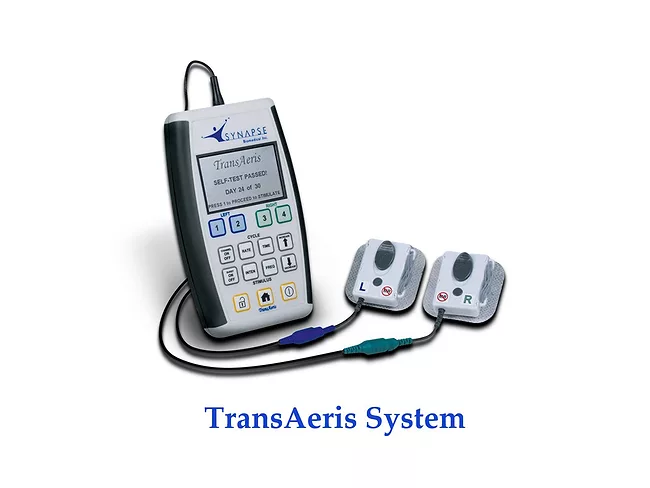
Synapse Biomedical Inc. has won breakthrough device designation from the FDA for its Transaeris system, a diaphragm pacing system (DPS) for use in weaning patients off mechanical ventilation. The minimally invasive device has been in use during the COVID-19 pandemic under an emergency use authorization to prevent ventilator-induced diaphragm dysfunction – a condition that occurs following mechanical ventilation, which leaves the diaphragm weak from disuse.
 RSS
RSS