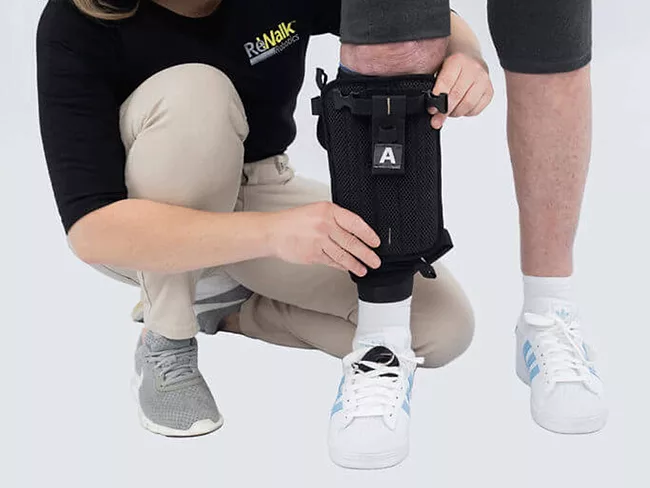
Shares in Rewalk Robotics Ltd. are on the rise after the FDA awarded its Reboot exoskeleton device breakthrough device designation status. The wearable, battery-powered device is designed to assist individuals with lower limb disability due to stroke.
Compelling testimony from parents who saw life-altering changes in their children who participated in Levo Therapeutics Inc.’s intranasal carbetocin clinical trial wasn’t enough to counter what the FDA’s Psychopharmacologic Drugs Advisory Committee saw as a lack of “substantial evidence” to support the drug’s effectiveness in treating hyperphagia associated with Prader-Willi syndrome (PWS).
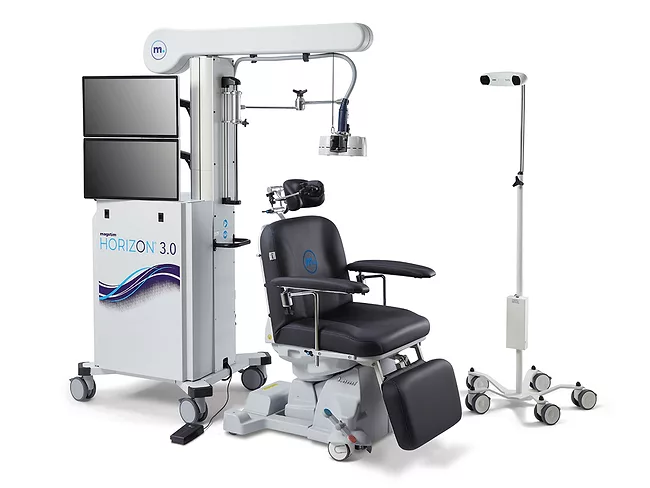
The FDA has granted Magstim Co. Ltd. 510(k) clearance for its transcranial magnetic stimulation (TMS) platform Horizon 3.0. TMS is a series of repetitive, focused magnetic pulses, used to stimulate brain cells. The noninvasive therapy has been touted as a cost-effective treatment for depression and is typically prescribed when antidepressants have failed, or the side effects are too disruptive to a patient’s lifestyle.
The FDA has one question for its Psychopharmacologic Drugs Advisory Committee when it meets Nov. 4: Has Levo Therapeutics Inc. provided substantial evidence that the company’s carbetocin nasal spray is effective in treating hyperphagia associated with Prader-Willi syndrome?
The FDA convened a Nov. 2 advisory panel to review the data for the AFX2 by Endologix LLC, of Irvine, Calif., with some indication that the agency believes the data suggest a poor benefit-risk ratio when used in treatment of abdominal aortic aneurysms (AAAs). The panel concluded that the benefits of the device do outweigh the risks for some patients, although the applicable patient population is likely to be smaller than is currently seen in clinical practice.
With the U.S. biosimilar pathway clearly developed, industry and the FDA are turning their attention to interchangeables in the third iteration of the biosimilar user fee agreement (BsUFA).
In a move that had been expected, the CDC’s Advisory Committee on Immunization Practices unanimously recommended the Pfizer Inc.-Biontech SE COVID-19 vaccine as safe and beneficial for children ages 5 through 11. The recommendation, coming from a 14-0 vote, is the committee’s way of reassuring the American public that the vaccine is safe, according to committee member Beth Bell, clinical professor in the School of Public Health at the University of Washington in Seattle.
The FDA has granted a breakthrough device designation for Renovia Inc.’s digital therapeutic system Leva as a first-line treatment for chronic fecal incontinence (FI) in women. Fecal incontinence, also known as bowel leakage, is a progressive condition ranging from occasional leaks to a complete loss of bowel control. Common causes include diarrhea, constipation, and muscle or nerve damage that may be associated with aging or giving birth.
An ongoing evaluation of heart muscle inflammation risk, a key concern with mRNA COVID-19 vaccines globally, could delay through January 2022 completion of an FDA review of Moderna Inc.'s vaccine in adolescents 12 to 17 years of age. The side effect, called myocarditis, has been a particular concern with regulators, especially for adolescents and young men.
Abbvie Inc.’s FDA clearance of Vuity (pilocarpine HCl ophthalmic solution) 1.25% for the treatment of presbyopia in adults, could bring relief to about 128 million Americans: almost half of the U.S. population, the company said. It’s the first and only eye drop given U.S. regulators’ go-ahead for what’s known as age-related blurry near vision – but plenty more have generated clinical data.
 RSS
RSS