It’s all systems “go” for Travere Therapeutics Inc. and its sparsentan after meetings with the FDA paved the way for filings and potential accelerated approvals in the rare kidney disease IgA nephropathy and the kidney scarring condition focal segmental glomerulosclerosis.
The FDA has undertaken several new actions in connection with breast implants, including a new restriction on distribution to implant centers that review a pre-implant checklist with patients receiving implants. However, the agency has also mandated that manufacturers add a black-box warning of potential adverse events, such as the risk of developing anaplastic large cell lymphoma (ALCL).
Negotiations between the FDA’s device center and the med-tech industry over the next device user fee schedule are dragging on, but the gap between the two sides may have narrowed. The FDA had previously proposed a package that ran more than double the current total user fee volume, and industry has responded with a proposal that would provide the agency with $1.65 billion in user fees over five years, leaving the two sides with a gap of more than $800 million to bridge.
Targeting the thousands of rare inherited diseases that have no treatments in the U.S., a newly launched public-private group plans to pursue efforts to optimize and streamline the gene therapy development process.
As part of its ongoing research into drug advertising, the FDA’s Office of Prescription Drug Promotion (OPDP) is proposing a study to understand how “targeted mechanism of action” (MoA) claims influence patients and health care providers when they’re used in drug ads and other promotional materials.
The FDA’s device center has posted its annual fiscal year guidance agenda, and there are several carry-over items from fiscal 2021. The most conspicuous element of the FY 2022 agenda may be that a draft guidance for change control for artificial intelligence (AI) algorithms rates an entry on the B list rather than the A list, suggesting that the draft is not likely to emerge any time in the next 12 months.
Celltrion Inc. recently received FDA emergency use authorization (EUA) for its Diatrust COVID-19 Ag home test. “With the FDA approval, we will now prioritize getting the test kits to the U.S. and into users’ hands as soon as possible,” a spokesperson for the Incheon, South Korea-based Celltrion told BioWorld. The test kits will be distributed through Celltrion’s U.S. arm, Celltrion USA Inc. Celltrion is currently in the final stage of negotiations with the U.S. government, as well as online and offline distributors.
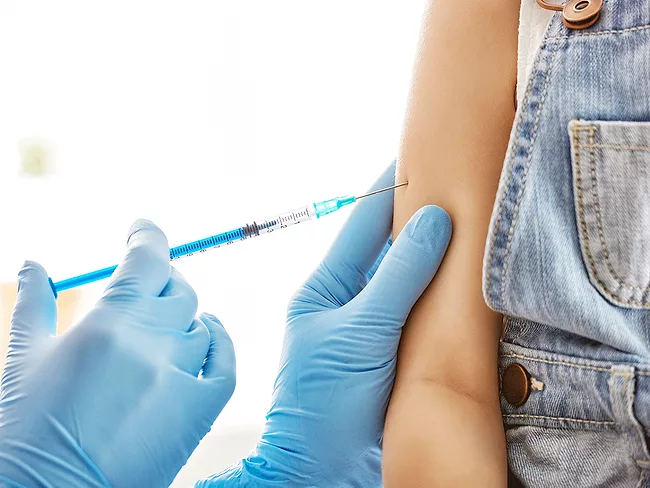
The FDA’s Vaccines and Related Biological Products Advisory Committee (VRBPAC) voted 17-0, with one abstention, that the benefits of Pfizer Inc.-Biontech SE pediatric formulation of its two-dose COVID-19 vaccine outweigh its risks for children ages 5 through 11. Many of those votes came with caveats, as the VRBPAC members struggled with the unknowns of the vaccine and the fear that schools would mandate its use, even though it would still be considered experimental if the FDA grants it an emergency use authorization.
The brain-computer interface (BCI) is the subject of keen medical interest for those dealing with neurological damage, but military applications are also a point of interest among a number of national governments. With all this in mind, an agency at the Department of Commerce has posted a request for comments regarding a possible imposition of export controls on BCI devices due to national security concerns, a proposal that could complicate exports of such devices for medical use.
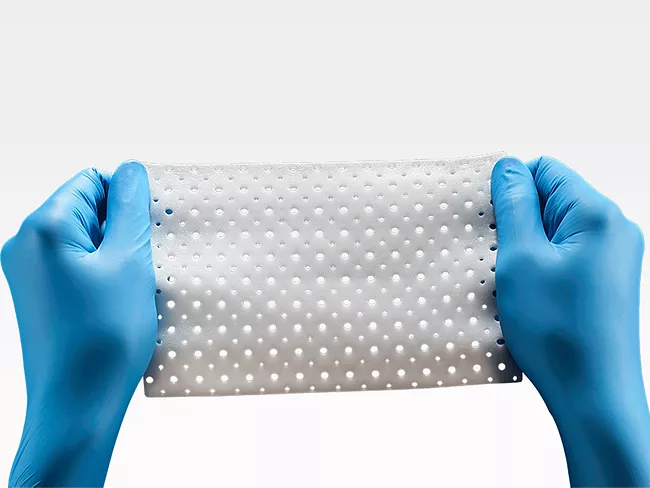
Despite that the device has been available for more than a decade under the 510(k) program, an FDA advisory committee voted narrowly that the benefits of the Surgimend device for breast reconstruction do not outweigh the risks. Another interesting feature of the application is that the pivotal study was based on real-world evidence (RWE), but while the FDA had direct access to the data, Integra Lifesciences Holdings Corp. did not, thus raising questions about whether RWE is necessarily useful for class III device premarket applications.
 RSS
RSS