It’s decision time for oral drugs that could help the world return to normal even in the midst of the COVID-19 pandemic. The U.K. already has granted emergency authorization to Merck & Co. Inc. and Ridgeback Biotherapeutics Inc.’s antiviral, Lagevrio (molnupiravir), and the EMA is expected to complete its evaluation of the oral drug within the next few weeks. In the U.S., the FDA could announce its decision on Lagevrio shortly after its Antimicrobial Drugs Advisory Committee weighs in Nov. 30 on emergency use authorization.
Another drug from the emerging menin inhibitor drug class has hit safety issues, after the FDA put an early stage acute myeloid leukemia trial of Kura Oncology Inc.’s KO-539 on partial clinical hold because of a patient death. The news from Kura follows safety issues that emerged from Syndax Pharmaceuticals Inc.’s rival SNDX-5613, where an issue with QT prolongation emerged in at least 5% of patients in otherwise encouraging phase I/II trial results announced in April.
Following an FDA priority review, Takeda Pharmaceutical Co. Ltd.'s oral antiviral, maribavir, has won U.S. approval as the first drug in the country to treat resistant cytomegalovirus (CMV) infection and disease in adult and pediatric transplant recipients. The drug will be marketed as Livtencity.
The FDA has continued a series of device risk classifications with the formal announcement that general containment systems used with power morcellators will henceforth be deemed class II, moderate-risk devices.
U.S. trading partners are raising concerns about the FDA’s continued delays in inspecting foreign drug manufacturing facilities due to the COVID-19 pandemic and related travel restrictions.
The first approval for treating advanced malignant perivascular epithelioid cell tumor (PEComa) in adults has been awarded by the FDA to Aadi Bioscience Inc.’s Fyarro. The number of patients is low, from 100 to 300 patients annually in the U.S., but the geography the company hopes to sell to is wide as it takes in Europe and China.
The FDA gave Pear Therapeutics Inc. a second breakthrough device designation with the company’s Reset-A prescription digital therapeutic (PDT) for alcohol use disorder getting the regulatory agency’s speed pass. The news comes a week out from the vote of stockholders of blank-check company Thimble Point Acquisition Corp. Inc. on a combination with Pear that will take the digital therapeutic company public.
Medical science has not yet convincingly duplicated the remarkable properties of cartilage, an omission that sustains an epidemic of life-altering knee replacement surgeries. Anthony Ratcliffe, CEO of Synthasome Inc., of Del Mar, Calif., said on a recent FDA webinar that companies might want to consider the lowly goat as the animal model of choice in preclinical studies of cartilage products because “the cost, ease of management, and the social aspects were all manageable” with goats.
The FDA has issued new risk classification orders for two series of products, including in vitro diagnostics for hepatitis C, two of which the agency down-regulated from class III to class II. However, blood lancets for multiple uses on more than one patient has been elevated from class I to class III, a change that has no impact on any products currently available on the U.S. market.
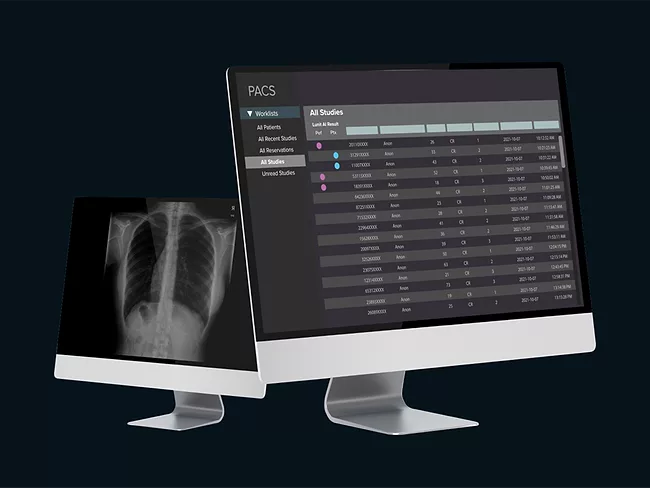
Lunit Inc. has won FDA approvals for the company’s breast cancer detection product Lunit Insight MMG and the triage and notification software Lunit Insight CXR Triage, only days apart. Lunit Insight MMG is an artificial intelligence (AI) product for breast cancer detection from mammography images. Lunit’s second approval is for Lunit Insight CXR Triage, its AI-powered chest X-ray triaging product.
 RSS
RSS