The U.S. FDA has granted breakthrough device designation to Spark Biomedical Inc. for its Roo system, a transcutaneous electrical nerve stimulator to assist newborns with opioid withdrawal. The noninvasive neurostimulation device is modeled on the company’s Sparrow Therapy System for adult opioid withdrawal relief.
The U.S. FDA’s intended use rule has been in flux for the past half-decade, with yet another draft rule making the rounds for comment. Despite any concerns that speech regarding off-label use might again be seen as a primary driver of prosecution, Sara Bloom, senior litigation counsel at the U.S. Department of Justice’s District of Massachusetts office, said distribution of the product in question is frequently the key feature where federal prosecutors are concerned. Bloom said communication of off-label use often serves primarily as a confirmatory element of the manufacturer’s intent rather than as the decisive part of the prosecution’s case.
The U.S. FDA has granted IDE approval to the cardiac device startup Foldax Inc., to initiate clinical testing of its Tria mitral surgical heart valve. Patient enrollment is expected to begin in early 2021.
Genetesis Inc. received good news from the U.S. FDA in the form of a breakthrough device designation for Cardioflux for the diagnosis of myocardial ischemia and infarction in patients with symptoms suggestive of acute coronary syndrome. Mason, Ohio-based Genetesis provides biomagnetic imaging solutions with an eye toward ensuring safety. Its solution already has made an impression on clinicians.
In what U.S. FDA commissioner Stephen Hahn billed as “a major milestone” in testing for the COVID-19 pandemic, the FDA has granted an emergency use authorization (EUA) to Ellume Ltd., of East Brisbane, Australia, for the company’s COVID-19 home test. The rapid lateral-flow test for antigen detection can be obtained without prescription and will return results to the at-home user in 20 minutes, according to the FDA’s Dec. 15 statement.
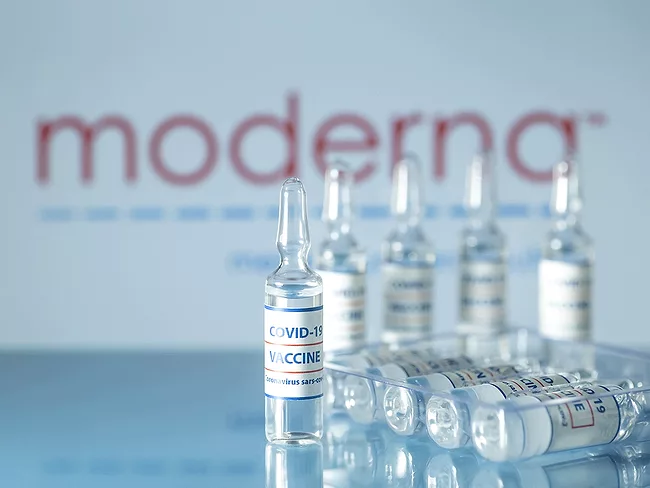
A new FDA assessment of the data behind an emergency use authorization filing for Moderna Inc.'s COVID-19 vaccine candidate, issued in advance of a Dec. 17 meeting of the Vaccines and Related Biological Products Advisory Committee, affirmed efficacy claims for the product and identified "no specific safety concerns that would preclude issuance of an EUA."
Christmas arrived early for Athenex Inc. as the FDA approved Klisyri (tirbanibulin) for treating actinic keratosis on the face or scalp nearly two weeks before the treatment’s PDUFA date.
Corrective and preventive action (CAPA) has a long and difficult history where med tech is concerned. Kathryn Merrill, the global quality/regulatory program director for Medtronic plc, of Dublin, said on a recent webinar that one of the main sources of uncertainty is that many in industry are not clear as to which circumstances dictate that a CAPA should be opened.
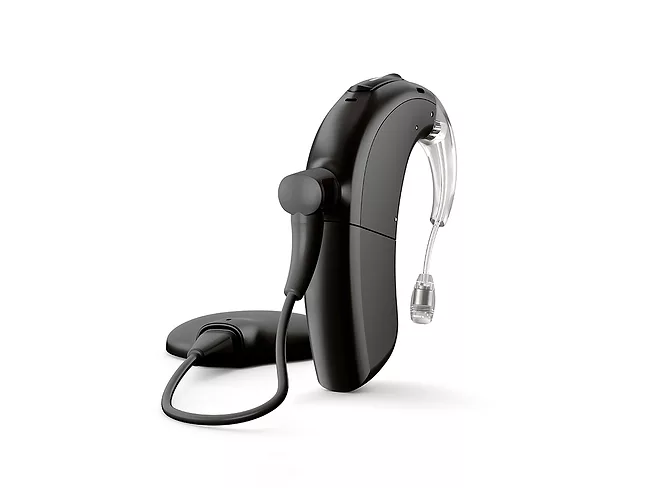
Advanced Bionics LLC heard good news from the U.S. FDA, which granted approval for the company’s Marvel cochlear implant (CI) platform and the first-ever sound processor designed specifically for children. The development brings the Marvel platform, initially created for hearing aids produced by Advanced Bionics' sister company, Phonak AG, to the sound processor for CIs for the first time.
Michael Mina, assistant professor of epidemiology at the Harvard T.H. Chan School of Public Health, again criticized the U.S. FDA for taking a conventional regulatory approach to rapid antigen tests for the pandemic. However, not everyone at the FDA’s parent department deserves brickbats. Mina said Assistant Secretary for Health Brett Giroir deserves a lot of credit for assisting in the effort to stand up pilot studies for rapid antigen tests that could be used to restore the U.S. economy even in the absence of a fully rolled-out vaccination campaign.
 RSS
RSS