The U.S. FDA has granted 510(k) clearance to Siemens Healthineers AG for AI-Rad Companion Organs RT, the newest module in its platform of artificial intelligence-based software assistants. The radiation therapy planning aide joins earlier AI-Rad Companion modules for interpreting magnetic resonance imaging (MRI) studies of the brain and prostate, as well as one for chest computed tomography (CT) studies.
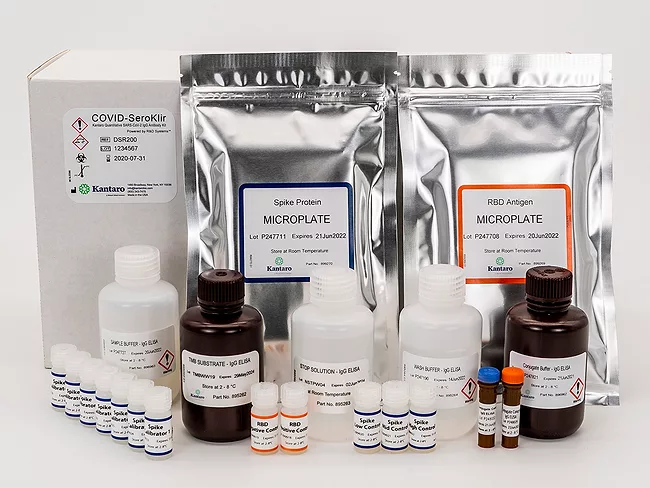
Kantaro Biosciences LLC, a joint venture between the Mount Sinai Health System and RenalytixAI, has received emergency use authorization from the U.S. FDA for its semi-quantitative SARS-CoV-2 IgG antibody test kit. Known as COVID-Seroklir, the test determines the presence and precise level of IgG antibodies. It has demonstrated 98.8% sensitivity and 99.6% specificity for detecting SARS-CoV-2 specific IgG antibodies against two virus antigens, the full-length spike protein and its receptor-binding domain.
The latest global regulatory news, changes and updates affecting medical devices and technologies, including: FDA lists entities recognized under ASCA program.
Hologic Inc. has gained approval from the U.S. FDA to add a diagnostic claim to its HIV type 1 viral load monitoring assay. This makes the Aptima HIV-1 Quant Dx assay the first dual-claim assay in the U.S., allowing both viral load monitoring and diagnosis. For laboratories that use the assay, the dual claim allows for consolidated testing on one automated platform, adding to efficiency.
The U.S. FDA cleared Alivecor Inc.'s Kardia AI V2 interpretive electrocardiogram (ECG) algorithm for use in its personal ECG app and devices. Currently, the Kardia line permits consumers to take a 30-second medical grade ECG at home and instantly see whether they are exhibiting symptoms of atrial fibrillation, bradycardia, tachycardia or have normal heart rhythm.
An antibody cocktail developed by Regeneron Pharmaceuticals Inc. has received emergency use authorization (EUA) from the FDA for the treatment of mild to moderate COVID-19. Monoclonal antibodies (Mabs) such as Regeneron's, called casirivimab and imdevimab, "have the greatest benefit when given early after diagnosis and in patients who have not yet mounted their own immune response or who have high viral load," the company said.
Multiple companies have had their FDA reviews put on hold because coronavirus-related travel restrictions at the FDA has kept their manufacturing plants from being inspected.
Although Eiger Biopharmaceuticals Inc. sees more would-be opportunities with ultra-rare disease-targeting Zokinvy (lonafarnib), the company’s vice president of clinical and development operations, Colin Hislop, said that “at the moment, we’re very clearly focused on the population identified in the label, because it fits most closely with the mechanism of action.”
In what the FDA calls “an incremental step” in treating hospitalized COVID-19 patients, the agency has issued an emergency use authorization (EUA) for Eli Lilly and Co.’s baricitinib in combination with remdesivir.
The U.S. FDA’s device center is re-examining its approach to public safety communication, but Mark Leahey of the Medical Device Manufacturers Association said on a recent webinar that the FDA sometimes goes silent after an initial consultation with device makers about a safety signal.
 RSS
RSS