Genetron Holdings Ltd., a Beijing-based precision oncology company, has gained breakthrough device designation status from the U.S. FDA for its blood-based, next-generation sequencing test for the early detection of hepatocellular carcinoma (HCC). The test, called HCCscreen, is intended for individuals at high risk for HCC due to chronic hepatitis B virus infection or liver cirrhosis.
PERTH, Australia – Regenerative medicine company Mesoblast Ltd. saw its stock drop 37% on the news that it received an FDA complete response letter to its BLA for Ryoncil (remestemcel-L) for the treatment of pediatric steroid-refractory acute graft-vs.-host disease.
Both Solid Biosciences Inc. and Pfizer Inc. got lifts to their Duchenne muscular dystrophy (DMD) programs from the FDA as the agency released a clinical hold and awarded a fast track designation to their respective adeno-associated viral (AAV) programs.
PERTH, Australia – Antisense Therapeutics Ltd. saw its stock bounce 26% following the news that the FDA has granted rare pediatric disease designation for ATL-1102 for the treatment of Duchenne muscular dystrophy (DMD), following submission of phase II data that showed its immunomodulatory therapy met primary disease progression endpoints.
FDA enforcement of clinical research regulations has often been "light-handed, slow-moving, and secretive," a new look at the agency's enforcement track record concludes. Published today in the journal Science, the analysis said the shortcomings may be harming both patients and trial integrity.
The COVID-19 pandemic has not run its course, but the U.S. FDA is already working on a plan for handling devices in the period after the public health emergency ends. Bill Maisel, chief medical officer at the FDA’s Center for Device and Radiological Health (CDRH), said the agency is thinking through what would have to appear in a guidance for a transition that may span a number of months, providing industry with some much-needed breathing room.
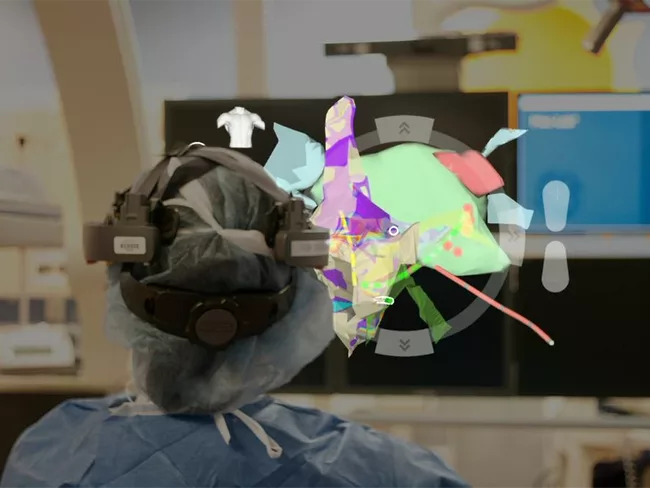
Sentiar Inc. received U.S. FDA clearance for its holographic guidance system, known as Commandep, for use in cardiac ablation procedures. The system allows electrophysiologists (EPs) to visualize 3D electroanatomic models in real-time, using augmented reality (AR), to seamlessly navigate invasive procedures. “The Commandep is intended for use as a medical imaging system that allows the review, analysis, communication and media interchange of multidimensional digital images,” Berk Tas, Sentiar’s CEO, told BioWorld.
The U.S. FDA’s effort to compile a guidance for prescription, point-of-care (POC) blood glucose meter (BGM) test systems seems to show that guidances can be as iterative as the devices they govern. The FDA announcement for the Sept. 28, 2020, final guidance said that the differences between the 2020 final and the 2018 draft include “a minor edit” regarding user accessibility and a technical correction for hemoglobin testing concentration, yielding a document that is finally ready for prime time after four tries over six years.
A revised U.S. label for Glaxosmithkline plc's Nucala (mepolizumab) has expanded the first-in-class anti-IL-5 treatment's approval to hypereosinophilic syndrome (HES), a group of rare disorders associated with persistent eosinophilia. It's the new therapy approved for Americans with HES in nearly 14 years, according to the FDA. An EMA filing in HES is expected later this year.
With only days left before Inovio Pharmaceuticals Inc. planned to initiate a phase II/III trial of its COVID-19 DNA vaccine candidate, INO-4800, and its accompanying delivery device, the FDA placed a partial clinical hold on the company’s study. This is the study’s second delay as the company originally planned to begin in July or August. November is now the earliest potential start date. Inovio told BioWorld that the company and its partners are continuing to prepare for the phase II/III trial “following resolution of the FDA’s partial clinical hold.”
 RSS
RSS