Repair Biotechnologies Inc.’s REP-0003 has been awarded orphan drug designation by the FDA for the treatment of homozygous familial hypercholesterolemia (HoFH).
Fujirebio Diagnostics Inc.’s Alzheimer’s disease assay received the U.S. FDA’s first clearance for a blood test for the debilitating neurodegenerative disease. Fujirebio’s Lumipulse G pTau217/ß-Amyloid 1-42 plasma ratio is indicated for the early detection of amyloid plaques associated with Alzheimer’s disease in symptomatic individuals aged 55 years and older.
With a PDUFA date less than four weeks away, Urogen Pharma Inc. has been having a rough ride on the Street since the U.S. FDA released a joint briefing document for the May 21 Oncologic Drugs Advisory Committee meeting on UGN-102 (mitomycin).
Frets about how the new federal administration might affect prospects for vaccines were quelled at least somewhat by the U.S. FDA green light for Novavax Inc.’s COVID-19 vaccine Nuvaxovid, indicated for adults 65 and over and people 12-64 years old with at least one underlying condition that puts them at risk of severe outcomes from infection by the virus.
The U.S. FDA approved 20 drugs for market in April, slightly down from 22 in March, 16 in February and 12 in January. This brings the total number of FDA approvals for the first four months of 2025 to 70, a decrease from 77 in the same period last year but higher than the 50 drugs approved during the first four months of 2023 and 48 in 2022. Despite the decrease from last year, the 2025 total remains the second-highest in BioWorld’s records for this time frame.
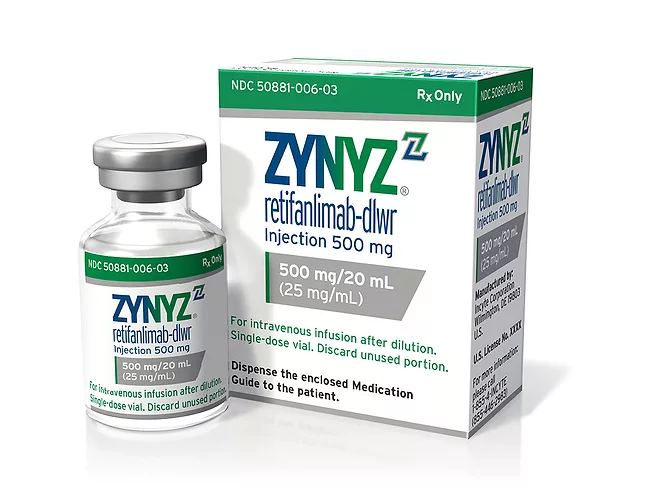
Incyte Corp.’s Zynyz (retifanlimab-dlwr) has received another U.S. FDA approval and put some distance between it and a 2021 complete response letter. The FDA gave the humanized monoclonal antibody targeting PD-1 the nod for first-line treatment of adults with inoperable locally recurrent or metastatic squamous cell carcinoma of the anal canal. That makes it the only approved first-line treatment for this cancer.
Rznomics Inc. scored a potential ₩1.9 trillion (US$1.35 billion) global license option agreement with Eli Lilly and Co. to codevelop a novel RNA editing gene therapy to treat hereditary hearing loss.
Just two months after Inozyme Pharma Inc. cut its workforce by 25% and prioritized activities to focus on a BLA filing for INZ-701 for ENPP1 deficiency, interim phase III data from its Energy 3 trial showed consistent safety and immunogenicity and increased phosphate levels in patients treated with the rare disease enzyme replacement therapy.
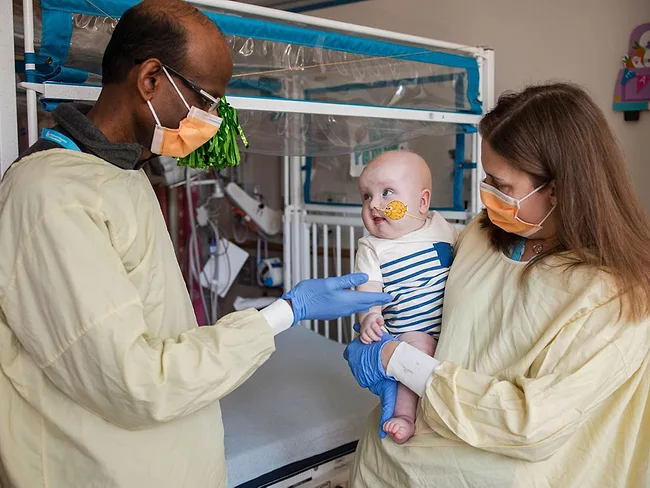
Using a customized gene editing therapy, researchers at the Children’s Hospital of Philadelphia have reported success in treating an infant with a severe metabolic disorder. Kiran Musunuru, Barry J. Gertz Professor for Translational Research in the University of Pennsylvania’s Perelman School of Medicine, presented the case at the American Society of Gene and Cell Therapy’s 2025 annual meeting. The case study was simultaneously published in The New England Journal of Medicine.
The FDA has granted orphan drug designation to Cure Rare Disease’s CRD-002, an antisense oligonucleotide therapeutic for the treatment of spinocerebellar ataxia (SCA), including spinocerebellar ataxia type 3 (SCA3).
 RSS
RSS