The U.S. FDA’s September 2022 final guidance for clinical decision support (CDS) systems set a dismal record for pushback, but the new administration at the FDA has reissued the guidance with provisions that industry will undoubtedly find encouraging.
Crescent Biopharma Inc. has announced regulatory clearances of IND applications for CR-001 (SKB-118), a PD-1 x VEGF bispecific antibody, and CR-003 (SKB-105), an integrin β-6 (ITGB6)-targeted antibody drug-conjugate (ADC), both being developed for the treatment of advanced solid tumors.
Ascentage Pharma Group International has obtained IND approval from the FDA for its BTK-targeted protein degrader APG-3288. A phase I study will be conducted in patients with relapsed or refractory B-cell malignancies.
It doesn’t take a meteorologist to predict another stormy year for the biopharma sector, not just in the U.S., but also in Europe. Lurking within those storms, though, could be a few silver linings.
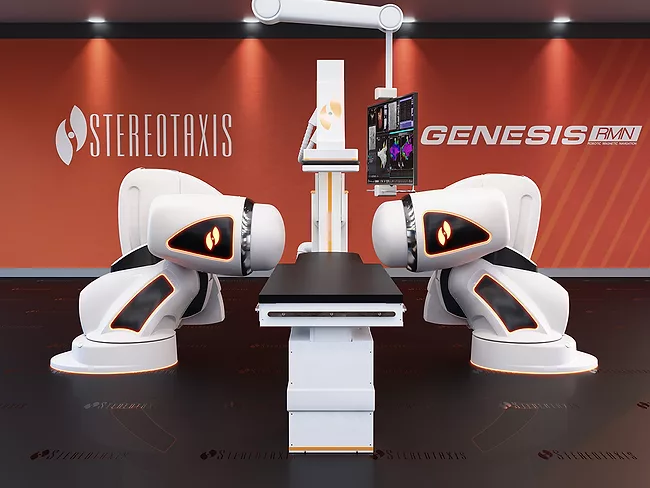
Stereotaxis Inc. secured U.S. FDA approval for its Magic magnetic interventional ablation catheter, marking a key step in the company’s effort to evolve from a niche robotics supplier into a more vertically integrated electrophysiology technology provider. The approval positions Magic as Stereotaxis’ first proprietary robotic ablation catheter in the U.S. and follows a series of regulatory and commercial milestones in recent months that reset the company’s growth narrative.
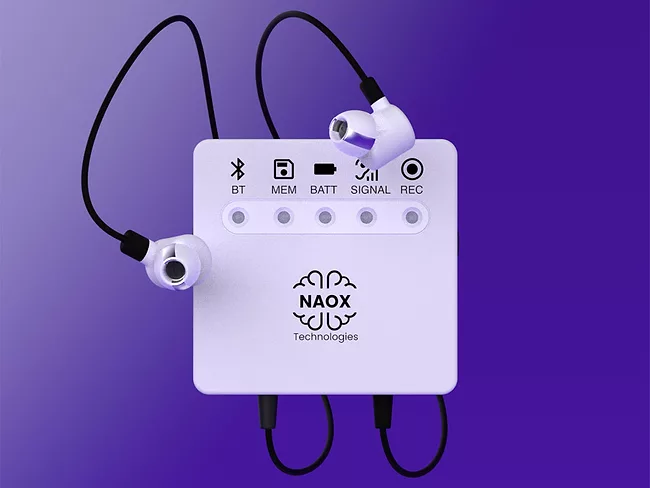
Naox Technologies SAS secured U.S. FDA 510(k) clearance for Naox Link, its in-ear electroencephalography (EEG) device for clinical use both at home and in health care settings. Naox Link is a pair of earbuds the company hopes will transform how the brain activity is monitored, helping diagnose and track a number of conditions affecting the brain.
With plans in place to launch global pivotal testing of GH-001, its inhaled version of psychedelic mebufotenin (5-MeO-DMT), in treatment-resistant depression in 2026, GH Research plc reported the lifting of a U.S. FDA clinical hold, enabling U.S. subject enrollment. The firm now will seek a meeting with the agency to discuss trial design.
Fibrobiologics Inc. has filed an IND application with the FDA seeking to begin first-in-human trials of CYPS-317, an investigational allogeneic fibroblast spheroid-based therapy for the treatment of moderate to severe psoriasis.
 RSS
RSS