Fennec Inc. received the complete response letter (CRL) it had expected from the FDA, sidelining U.S. development of Pedmark, a formulation of sodium thiosulfate for preventing ototoxicity associated with cisplatin chemotherapy in pediatric patients older than 1 month to those 18 years of age with localized, non-metastatic, solid tumors.
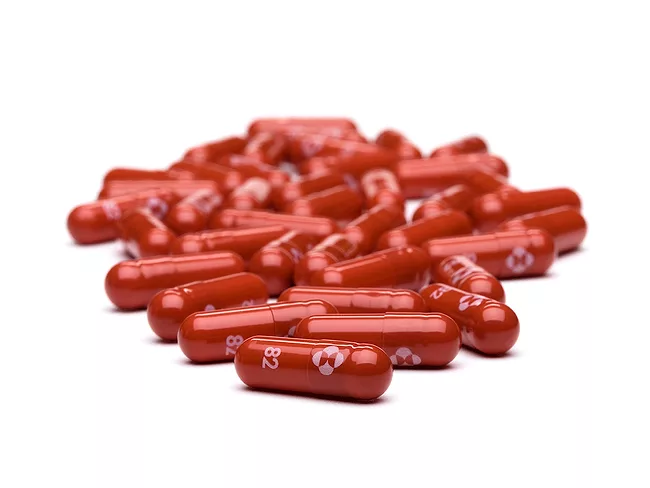
A divided FDA advisory committee voted 13-10 Nov. 30 that the known and potential benefits of the Merck & Co. Inc.-Ridgeback Biotherapeutics Inc.’s antiviral drug, molnupiravir, outweighs its known and potential risks. If granted an emergency use authorization (EUA), molnupiravir would become the first take-at-home oral drug in the U.S. to keep mild and moderate COVID-19 infections from becoming severe in high-risk adults.
As part of its real-world evidence (RWE) program, the U.S. FDA released a draft guidance Nov. 29 on using registries to support regulatory decision-making for drugs and biological products.
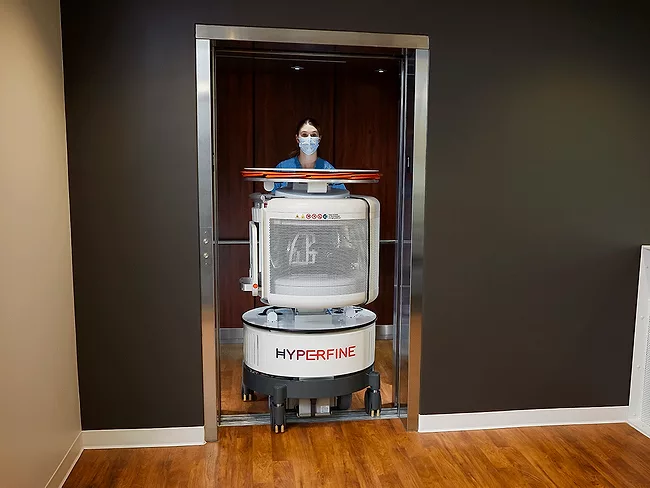
The FDA cleared Hyperfine Research Inc.’s advanced image reconstruction technology using deep learning for its portable magnetic resonance imaging device, Swoop. The bedside MRI unit’s artificial intelligence application received clearance in January and is used with deep learning to improve image quality and diagnostic value. Hyperfine and Liminal Sciences Inc., which share a founder in serial entrepreneur Jonathan Rothberg, are both combining with special purpose acquisition company Healthcor Catalio Acquisition Corp. to go public in a deal valued at $580 million. The companies reported on Nov. 29 that the Securities and Exchange Commission declared the registration statement on form S-4 for the combination to be effective and the SPAC’s shareholders will vote on the transaction on Dec. 21.
It’s decision time for oral drugs that could help the world return to normal even in the midst of the COVID-19 pandemic. The U.K. already has granted emergency authorization to Merck & Co. Inc. and Ridgeback Biotherapeutics Inc.’s antiviral, Lagevrio (molnupiravir), and the EMA is expected to complete its evaluation of the oral drug within the next few weeks. In the U.S., the FDA could announce its decision on Lagevrio shortly after its Antimicrobial Drugs Advisory Committee weighs in Nov. 30 on emergency use authorization.
Another drug from the emerging menin inhibitor drug class has hit safety issues, after the FDA put an early stage acute myeloid leukemia trial of Kura Oncology Inc.’s KO-539 on partial clinical hold because of a patient death. The news from Kura follows safety issues that emerged from Syndax Pharmaceuticals Inc.’s rival SNDX-5613, where an issue with QT prolongation emerged in at least 5% of patients in otherwise encouraging phase I/II trial results announced in April.
Following an FDA priority review, Takeda Pharmaceutical Co. Ltd.'s oral antiviral, maribavir, has won U.S. approval as the first drug in the country to treat resistant cytomegalovirus (CMV) infection and disease in adult and pediatric transplant recipients. The drug will be marketed as Livtencity.
The FDA has continued a series of device risk classifications with the formal announcement that general containment systems used with power morcellators will henceforth be deemed class II, moderate-risk devices.
U.S. trading partners are raising concerns about the FDA’s continued delays in inspecting foreign drug manufacturing facilities due to the COVID-19 pandemic and related travel restrictions.
The first approval for treating advanced malignant perivascular epithelioid cell tumor (PEComa) in adults has been awarded by the FDA to Aadi Bioscience Inc.’s Fyarro. The number of patients is low, from 100 to 300 patients annually in the U.S., but the geography the company hopes to sell to is wide as it takes in Europe and China.

 RSS
RSS