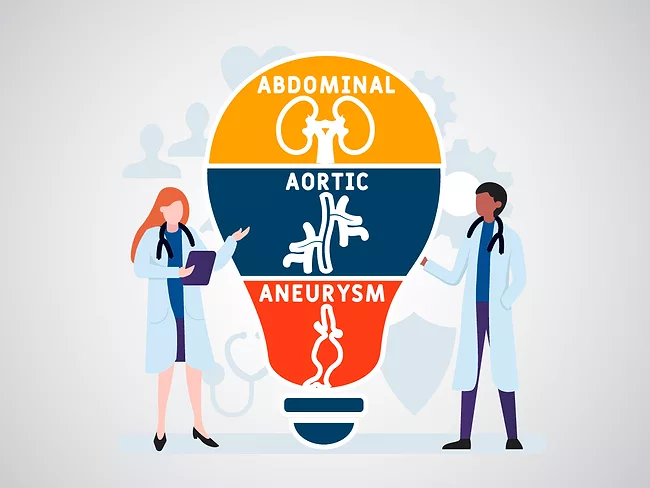
Endovascular stent grafts for abdominal aortic aneurysms don’t generate the fanfare that other circulatory system devices create, but an FDA advisory panel recently made some extensive recommendations regarding postmarket follow up for these devices.
The FDA has taken a hands-off approach to general wellness products that take up residence in smartphones, but that doesn’t mean these products aren’t subject to regulatory drift.
Entities that lack experience in FDA regulation of medical devices may find the going both expensive and time consuming, but there are resources available to these players in the digital health space. Bakul Patel, director of the Digital Health Center of Excellence at the FDA’s device center, said that while he understands that reading through agency guidance is an unpleasant task, the companies that take the time to do so may find their interactions with the agency less iterative and more productive, thus speeding their path to market.
As part of its pharmacovigilance program for Alzheimer’s drug Aduhelm (aducanumab), Biogen Inc. is evaluating a handful of reports published in the FDA Adverse Event Reporting System Public Dashboard, including the Aug. 18 death of a 75-year-old woman with Alzheimer’s and other co-morbidities.
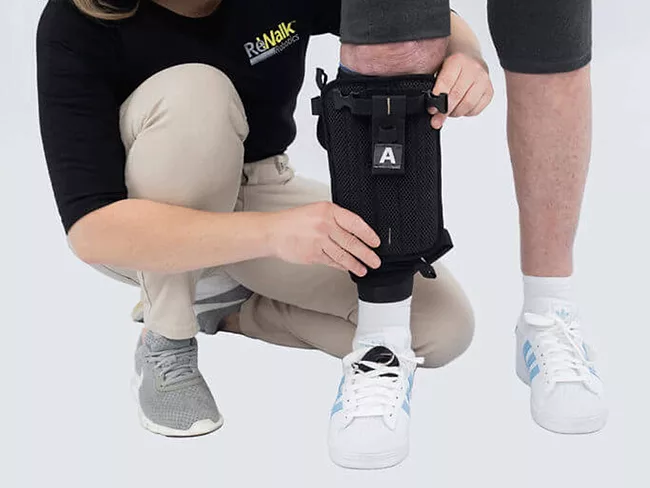
Shares in Rewalk Robotics Ltd. are on the rise after the FDA awarded its Reboot exoskeleton device breakthrough device designation status. The wearable, battery-powered device is designed to assist individuals with lower limb disability due to stroke.
Compelling testimony from parents who saw life-altering changes in their children who participated in Levo Therapeutics Inc.’s intranasal carbetocin clinical trial wasn’t enough to counter what the FDA’s Psychopharmacologic Drugs Advisory Committee saw as a lack of “substantial evidence” to support the drug’s effectiveness in treating hyperphagia associated with Prader-Willi syndrome (PWS).
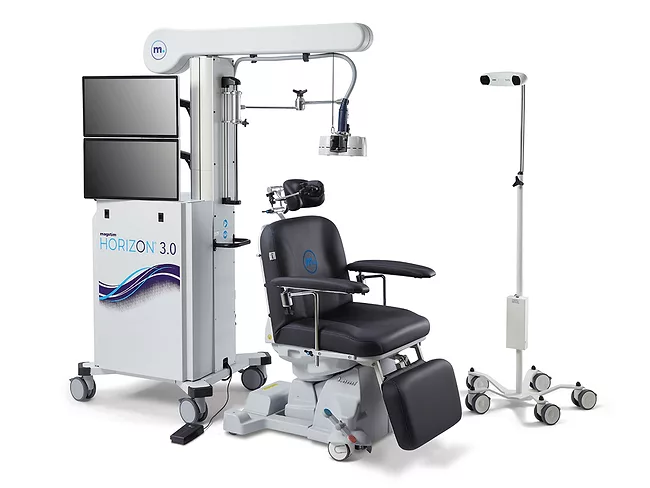
The FDA has granted Magstim Co. Ltd. 510(k) clearance for its transcranial magnetic stimulation (TMS) platform Horizon 3.0. TMS is a series of repetitive, focused magnetic pulses, used to stimulate brain cells. The noninvasive therapy has been touted as a cost-effective treatment for depression and is typically prescribed when antidepressants have failed, or the side effects are too disruptive to a patient’s lifestyle.
The FDA has one question for its Psychopharmacologic Drugs Advisory Committee when it meets Nov. 4: Has Levo Therapeutics Inc. provided substantial evidence that the company’s carbetocin nasal spray is effective in treating hyperphagia associated with Prader-Willi syndrome?
The FDA convened a Nov. 2 advisory panel to review the data for the AFX2 by Endologix LLC, of Irvine, Calif., with some indication that the agency believes the data suggest a poor benefit-risk ratio when used in treatment of abdominal aortic aneurysms (AAAs). The panel concluded that the benefits of the device do outweigh the risks for some patients, although the applicable patient population is likely to be smaller than is currently seen in clinical practice.
With the U.S. biosimilar pathway clearly developed, industry and the FDA are turning their attention to interchangeables in the third iteration of the biosimilar user fee agreement (BsUFA).

 RSS
RSS