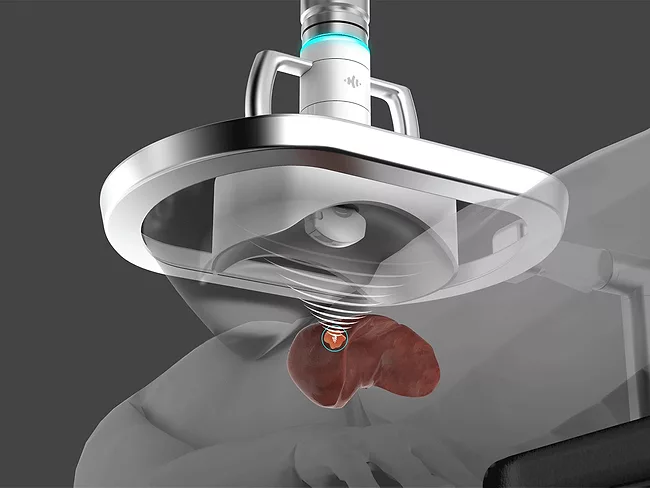
The FDA granted breakthrough device designation to Histosonics Inc. for the first system to harnesses microbubbles created by pulsed ultrasound waves to wreak very targeted cellular destruction, with real-time visualization and control. The therapy, called histotripsy, destroys tissue in the liver without heat, radiation or surgery. The technology was developed at the University of Michigan.
The question of bias in artificial intelligence (AI) algorithms is generally thought to be overcome by ensuring that the data set used to train the algorithm is representative of the population at large. However, Naomi Aaronson, executive director of clinical evaluation at the Blue Cross Blue Shield Association, said its not that simple because demographic data can combine in unpredictable ways and thus “the only real understanding of whether it works is in the clinical validation” of the algorithm in various settings.
The third time proved the charm for Adamis Pharmaceuticals Corp.’s high-dose naloxone injection, Zimhi, which gained FDA approval for use in treating opioid overdose, nearly three years after the San Diego-based company first submitted an NDA.
Omeros Corp.’s complete response letter (CRL) from the FDA regarding its BLA for narsoplimab did not come as much of a surprise to Wall Street, but still was enough to drive shares (NASDAQ:OMER) down 26.6% to close Oct. 18 at $5.67, a loss of $2.06.
Feops SA reported that its Heartguide product has received de novo authorization from the FDA for pre-operative planning of left atrial appendage occlusion (LAAo) with the Boston Scientific Corp. Watchman device. The software platform is designed to help physicians virtually model clinical scenarios with different implant positions and sizes of the Watchman device using digital twin technology based on patient-specific virtual replicas of the heart. It is currently commercially available in the EU, U.K., Canada and Australia for transcatheter aortic valve implantation and LAAo workflows.
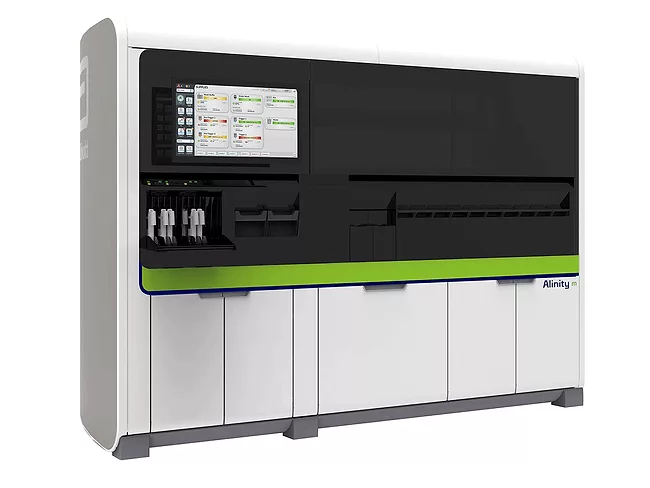
The FDA reported Oct. 14 that software used with the Alinity m test kit by Abbott Laboratories is being recalled for the potential for false positive results, a problem due to software used to automate the processing of the test. This recall was originally issued in mid-September, but the Abbott Park, Ill.-based company is advising labs to treat any test result as presumptive at best.
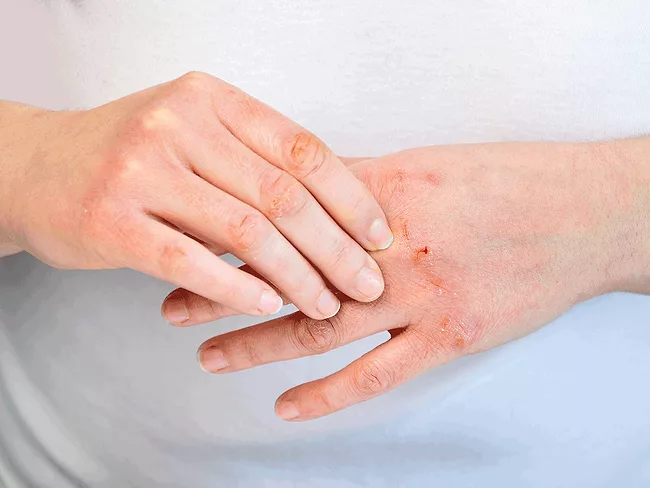
A few months after disclosing its merger with Chiasma Inc., Amryt plc rolled out second quarter financials pleasing to Wall Street, where considerable interest has begun to manifest in the company’s epidermolysis bullosa program with Filsuvez, also known as Oleogel-S10.
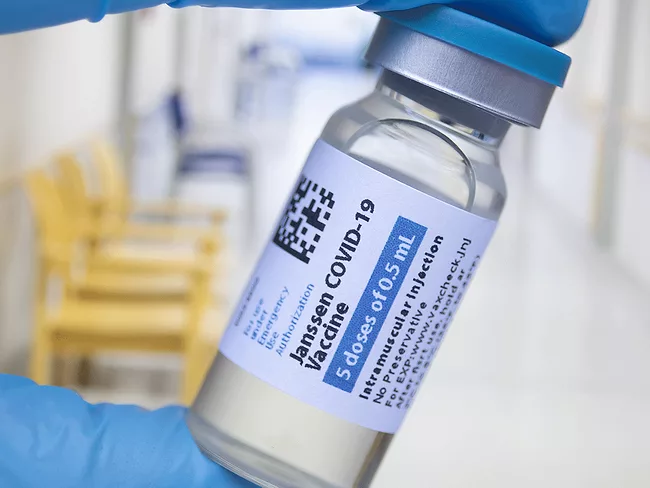
The FDA’s Vaccines and Related Biological Products Advisory Committee unanimously agreed to recommend a booster dose of Janssen Biotech Inc.’s COVID-19 vaccine for those age 18 years and older at least two months following the first dose. In the end, the vote swung on numbers from Janssen showing a booster significantly improved efficacy among study participants. Janssen’s data leaped to 94% protection after a booster dose, up from 70% efficacy following the first dose. That higher efficacy rate nearly matches that of the mRNA vaccines from Moderna Inc. and Pfizer Inc.-Biontech SE.
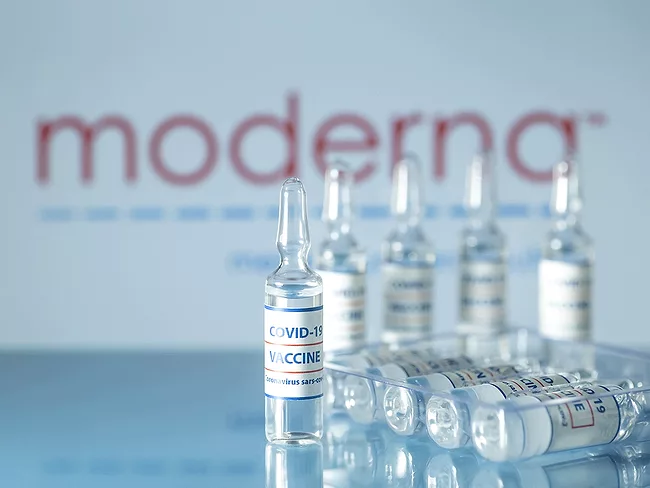
Given the FDA’s Vaccines and Related Biological Products Advisory Committee’s unanimous vote last month to recommend use of a booster dose of the Pfizer Inc.-Biontech SE COVID-19 vaccine in certain high-risk groups, it came as no surprise when the committee again voted unanimously Oct. 14 for a mirror use of Moderna Inc.’s proposed booster.
The FDA’s device center has posted a draft guidance that addresses unique device identifier (UDI) code requirements applied to low-risk products. The select update offers enforcement discretion in some instances for class I consumer health products, a switch partly justified by the exceedingly low risk presented by such products.
 RSS
RSS