A new FDA discussion paper addresses cybersecurity issues specific to the servicing of medical devices, with the goal of guiding the conversation about potential challenges and opportunities. It coincides with a larger agency initiative to provide more clarity on servicing.
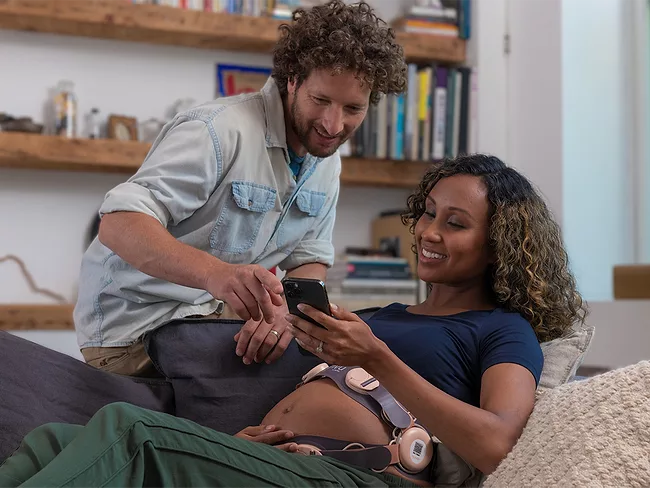
It’s not unusual for women to have some uterine contractions during pregnancy. Many of these go unnoticed, but others can be strong and feel like labor. Distinguishing between normal contractions and those that are not can help ensure women at risk of preterm labor get the extra medical care they need. To that end, Tel Aviv-based Nuvo Group Ltd. has launched an FDA-cleared uterine activity (UA) module on its Invu remote monitoring platform.
Shares in Orphazyme A/S cratered after the FDA rejected its arimoclomol for Niemann-Pick disease type C, a rare and potentially fatal inherited condition where fat builds in tissues and organs.
The FDA responded on Thursday to longtime industry calls for the agency to clarify the distinction between the “serving” and “remanufacturing” of a medical device with new draft guidance to provide consistency and a better understanding of the applicable statutory and regulatory requirements. The 35-page document details its current thinking on the distinction.
With the advent of wearable digital health technologies, patient-generated health data (PGHD) will play an increasingly central role in evidence generation for medical device companies. Speakers on a recent FDA workshop advised that there are several barriers to the use of PGHD for evidence generation, however, such as the perennial headache of data interoperability and a new twist on the question of patient trust, problems that are likely to plague the field for the foreseeable future.
Livanova plc has launched an IDE trial of its Aura6000 sleep apnea device, following approval by the FDA to proceed with the study. The implantable pulse generator (IPG) is designed to treat patients with moderate to severe obstructive sleep apnea (OSA) who do not get relief from a traditional continuous positive airway pressure (CPAP) machine or refuse to use one.
With paralysis affecting more than 5 million Americans, devices that serve as brain-computer interfaces (BCIs) are increasingly important, even if few are commercially available. The FDA has responded to the predicament with a leapfrog guidance, a preliminary form of guidance designed to foster more interaction with industry and encourage developers to move along on development programs for devices that will aid patients in restoring lost motor and/or sensory capabilities.
Blueprint Medicines Corp. gained the FDA’s nod for Ayvakit (avapritinib) to treat systemic mastocytosis (SM), adding another indication to the KIT inhibitor’s label. For the first time, patients have available a targeted therapy designed to block D816V mutant KIT, the central driver of the disease.
More than four months after its original PDUFA date of Feb. 2, 2021, Mallinckrodt plc’s Stratagraft gained FDA approval for use in deep partial-thickness thermal burns.
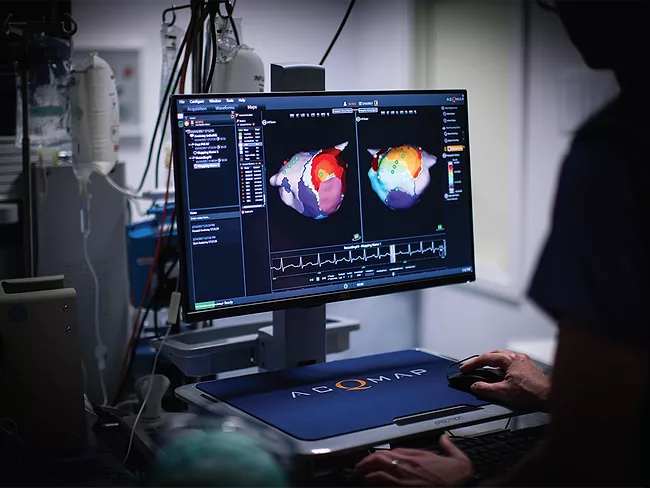
Acutus Medical Inc. scored big with regulators in recent weeks. The company, which focuses on devices to diagnose and treat cardiac arrhythmias, received FDA approval to launch an investigational device exemption clinical trial for its Acqblate Force sensing ablation catheter and system in atrial fibrillation just two weeks after gaining CE mark approval for a broad suite of electrophysiology products.
 RSS
RSS