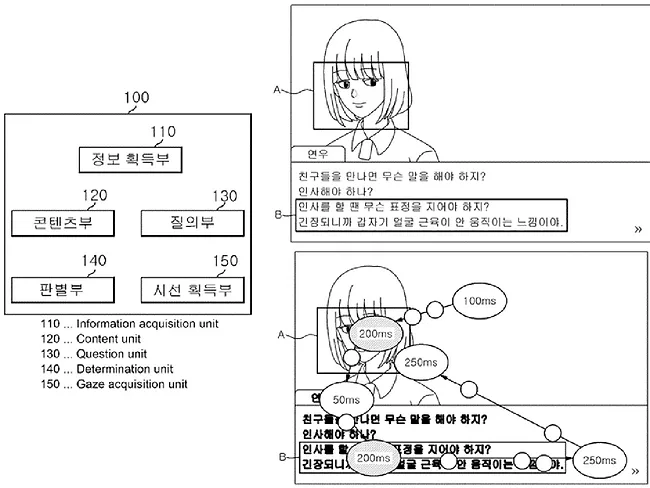
The first patenting from South Korea’s Neudive Inc. sees its CEO, SungJa Cho, applying for protection of the company’s mobile digital social therapy device, NDTx-01, which helps build the social skills of neurodiverse individuals, and in particular children and adolescents with autism spectrum disorder and social communication disorder.
Shenzhen Yangli Pharmaceutical Technology Co. Ltd. has patented poly(ADP-ribose) polymerase 1 (PARP-1; ARTD1) inhibitors reported to be useful for the treatment of cancer, ischemia and neurodegeneration.
Adlai Nortye Biopharma Co. Ltd. has divulged molecular glue degraders acting as cyclin-dependent kinase 12 (CDK12)/cyclin K degradation inducers reported to be useful for the treatment of cancer, viral infections, autoimmune disease and inflammatory disorders.
Onquality Pharmaceuticals China Ltd. has described cyclin-dependent kinase 4 (CDK4) and/or cyclin-dependent kinase 6 (CDK6) inhibitors reported to be useful for the treatment of cancer therapy-associated disorders.
Jiangsu Vcare Pharmatech Co. Ltd. has disclosed tyrosine-protein phosphatase non-receptor type 11 (PTPN11; PTP-2C; SHP-2) inhibitors reported to be useful for the treatment of cancer.
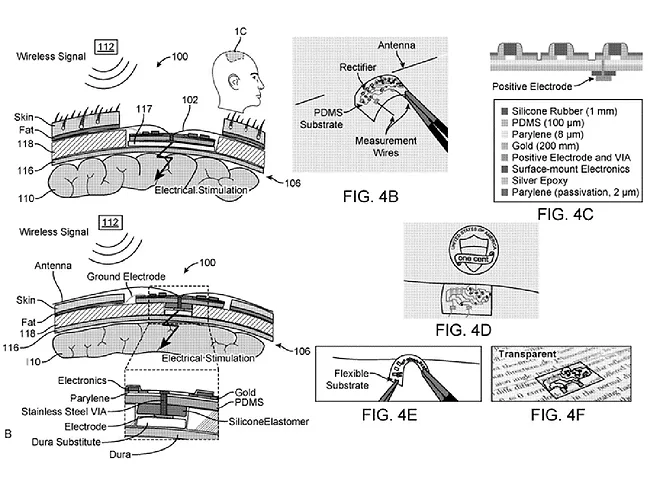
Researchers from Arizona State University and Mayo Clinic have filed for protection of wireless, battery-free brain implants which may be used in the monitoring, stimulation, and treatment of epilepsy, tumors, neurodegenerative disorders, neuroinflammatory conditions and trauma.
Gasherbrum Bio Inc. has disclosed GLP-1 receptor agonists reported to be useful for the treatment of type 2 diabetes, dyslipidemia, hyperglycemia, hypertension, obesity, stroke, myocardial infarction and gout, among others.
Hangzhou Zhongmei Huadong Pharmaceutical Co. Ltd. has described proteolysis targeting chimera (PROTACs) compounds comprising an E3 ubiquitin ligase-binding moiety covalently linked to a mitogen-activated protein kinase kinase kinase kinase 1 (MAP4K1; HPK1; MEKKK1)-targeting moiety. They are reported to be useful for the treatment of cancer.
Sironax Ltd. has discovered (+) hydrolase SARM1 (SAMD2; MyD88-5) inhibitors reported to be useful for the treatment of amyotrophic lateral sclerosis, diabetic neuropathy, multiple sclerosis, Parkinson's disease, chemotherapy-induced peripheral neuropathy and traumatic brain injury.
 RSS
RSS