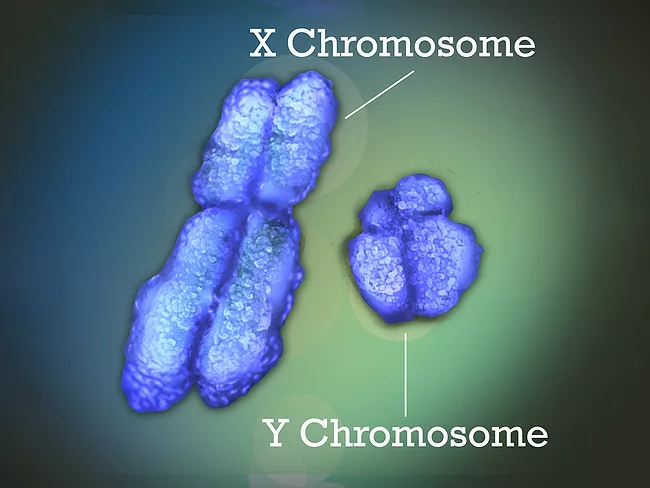
Results from a study carried out by the COVID-19 Host Genetics Initiative show that rare deleterious variants in the immune-system gene TLR7 make carriers more than five times more likely to have a severe SARS-CoV-2 infection. The TLR7 gene encodes Toll-like receptor 7 protein, which plays a protective role in the immune system by identifying pathogens and activating innate immunity.
Pfizer Inc. has divulged 3C-like proteinase (3CLpro) (SARS-CoV-2) inhibitors reported to be useful for the treatment of SARS-CoV-2 infection (COVID-19).
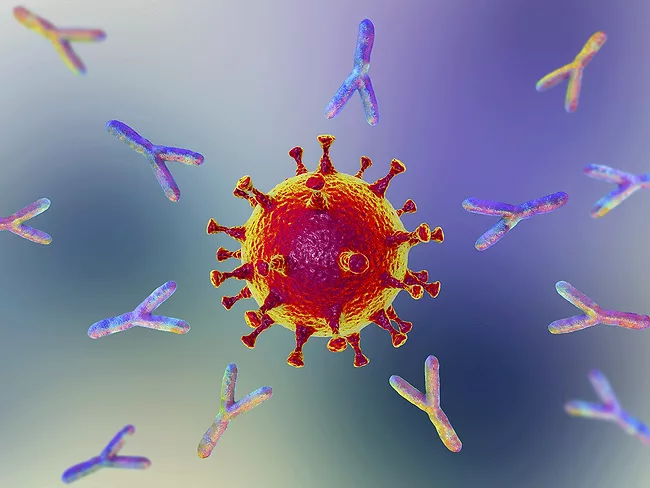
Researchers from Emory University have discovered a novel broadly neutralizing SARS-CoV-2 antibody, 002-S21F2, being developed as a potential anti-coronavirus therapeutic.
Three years after WHO declared the COVID-19 pandemic, some patients are still reporting symptoms from long-ago infections. And the scientific community is studying the reasons for the post-acute sequelae of SARS-CoV-2 (PASC). Until now, the studies provided varied reasons related to persistent COVID or PASC, such as acute SARS-CoV-2 injury in different organs, or reservoirs of the virus in certain tissues, as it happens with other pathogens like HIV. At the IDWeek 2022 infectious disease conference held this week in Washington, D.C., Eric Daar, chief of the Division of HIV Medicine at the Lundquist Institute at Harbor-UCLA Medical Center, moderated the session, 'COVID-19: Post-acute sequelae', where talks offered new results on the symptoms of people who have suffered prolonged COVID during the pandemic.
Anti-SARS-CoV-2 monoclonal antibody (MAb) pair COV2-2196 (tixagevimab, class I) and COV2-2130 (cilgavimab, class III) are human neutralizing Abs (nAbs) that target nonredundant, complementary epitopes within the receptor binding domain of SARS-CoV-2 spike protein (S-RBD).

 RSS
RSS