What appears to be a routine item on a routine list of the U.S. Department of Health and Human Services’ (HHS) proposed rulemakings for the next fiscal year is being seen as anything but routine, given HHS Secretary Robert Kennedy’s stance on vaccines and several commonly used drugs.
The articles in this collection are from BioWorld’s ongoing coverage of the COVID-19 coronavirus pandemic. They are available for free with registration. Note that we have added five critical tables, which are continuously updated:
Molecular subtyping of disease is typically associated with cancer. Now, researchers at the University of Cambridge are applying it to infections. Some patients with severe pneumonia progress in different ways. Predicting their trajectories could help tailor treatments and prevent fatal outcomes. To do this, the scientists analyzed bronchoalveolar fluid from several patient cohorts and identified three biological pneumotypes based on which cells are present, which genes are active, and which inflammatory proteins are produced.
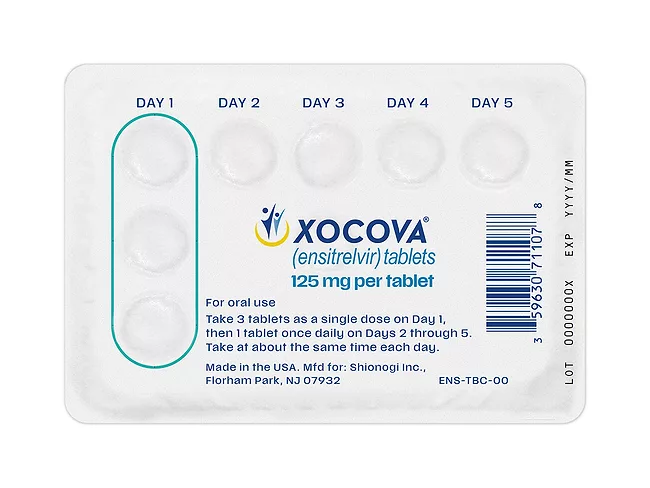
The U.S. FDA approved Shionogi & Co. Ltd.’s Xocova (ensitrelvir) as the first oral post-exposure prophylactic option in the U.S. to prevent COVID-19, with the decision coming ahead of a PDUFA target date of June 16.
Landing on the right COVID-19 vaccine formulation for the coming season is becoming more complicated against a backdrop of low vaccination rates, young children with little to no immunization, declining surveillance data and a new SARS-COV-2 lineage slowly emerging.
Recent findings are reshaping current understanding of the post-infection landscape of SARS-CoV-2. Although previous studies had already suggested that autoimmunity might underlie the persistent neurological symptoms seen in long COVID, researchers at Yale University and Mount Sinai now reinforce this hypothesis. SARS-CoV-2 infection appears to trigger an autoimmune mechanism that drives chronic pain, fatigue and cognitive impairment in some patients.
Acknowledging that the spread of the Andes virus and the resulting disease, hantavirus pulmonary syndrome, “constitutes a credible risk of a future public health emergency,” U.S. Health and Human Services Secretary Robert Kennedy is issuing a declaration to provide liability protection for manufacturers, distributors and providers using favipiravir as a medical countermeasure (MCM) against the virus.
What would normally be a routine meeting of the FDA’s Vaccines and Related Biological Products Advisory Committee May 28 may be more carefully watched given the overall turmoil surrounding vaccines in the U.S. The only task before the adcom is to recommend the COVID-19 vaccine formula for the upcoming season. That conversation will include looking at the effectiveness of the four FDA-approved vaccines currently in use in the U.S.
Researchers from Sunshine Biopharma Inc. and the University of Arizona reported the discovery and preclinical characterization of MR-1-114, a noncovalent inhibitor of the SARS-CoV-2 papain-like protease (PLpro).
 RSS
RSS