Although hormone receptor-positive (HR+) breast cancer accounts for over 70% of cases, 20%-30% of patients still experience relapse despite endocrine therapies such as tamoxifen. Recurrence is also observed in HER2+ breast cancer, even with HER2-targeted antibodies and antibody-drug conjugates (ADCs), the use of which can be limited by adverse effects such as interstitial lung disease.
Modex Therapeutics Inc. has developed MDX-2003, a first-in-class tetraspecific T-cell engager targeting CD19 and CD20 on B cells, while co-engaging CD3 and CD28 on T cells.
Researchers from Aera Therapeutics Inc. reported the preclinical profile of AERA-109, a novel, targeted in vivo CAR T therapy designed to treat B-cell-mediated autoimmune diseases.
Sumitomo Pharma Co. Ltd. is developing the Menin (MEN1)-myeloid/lymphoid or mixed-lineage leukemia (MLL) interaction inhibitor DSP-5336 (enzomenib) for the treatment of MLL-rearranged acute myeloid leukemia.
Nectin-4 is a cell-surface protein that is highly expressed in a variety of solid tumors, including bladder, head and neck, and certain aggressive breast cancers. Its low-level expression in some normal tissues creates a challenge for therapies, which can unintentionally damage healthy cells and trigger severe side effects.
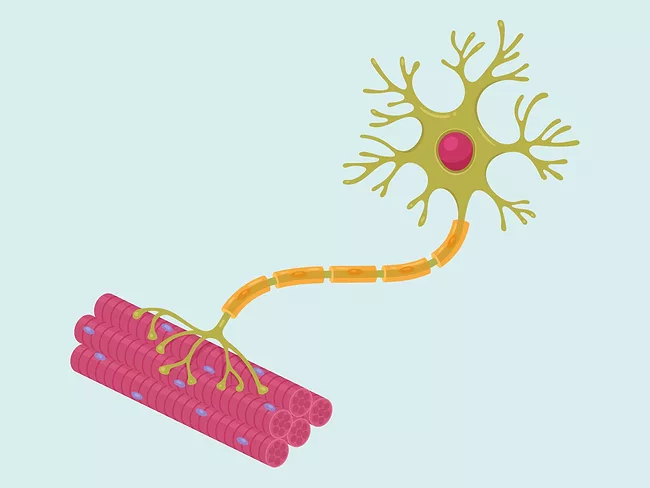
Superoxide dismutase 1 (SOD1) mutations were among the first genetic causes identified in familial amyotrophic lateral sclerosis (ALS) and confer a toxic gain-of-function that drives motor neuron degeneration via protein misfolding, oxidative stress, mitochondrial dysfunction and neuroinflammation.
Antibodies targeting CD269 and GPRC5D have shown unprecedented clinical efficacy in the treatment of multiple myeloma (MM), but many patients still develop progressive disease. It was hypothesized that dual-targeting T-cell immunotherapies might improve the efficacy by addressing the difficulty of heterogenous target expression and preventing resistance development due to antigen escape.
Amyotrophic lateral sclerosis (ALS) is a fatal neurodegenerative disorder marked by progressive degeneration of upper and lower motor neurons, resulting in paralysis and death typically within 3-5 years of symptom onset. Historically, treatment options have been extremely limited. However, the identification of genetic contributors to ALS pathogenesis has enabled the application of antisense oligonucleotides (ASOs) to selectively modify or reduce the expression of disease-associated genes at the RNA level.
Apollo Therapeutics Ltd. has developed APL-4098, a small-molecule general control nonderepressible 2 (GCN2) inhibitor for the potential treatment of AML.
Astrazeneca plc has provided data for their CD22-targeting antibody-drug conjugate (ADC) AZD-4512 under development for the treatment of B-cell malignancies, which still have significant rates of disease resistance and relapse, as well as treatment-related toxicities.

 RSS
RSS