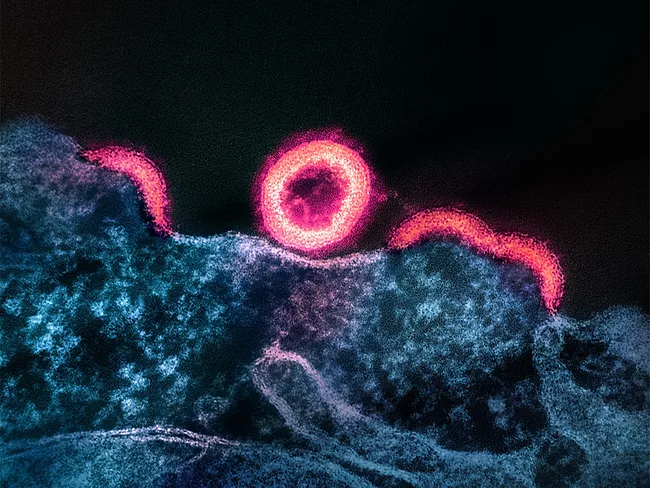
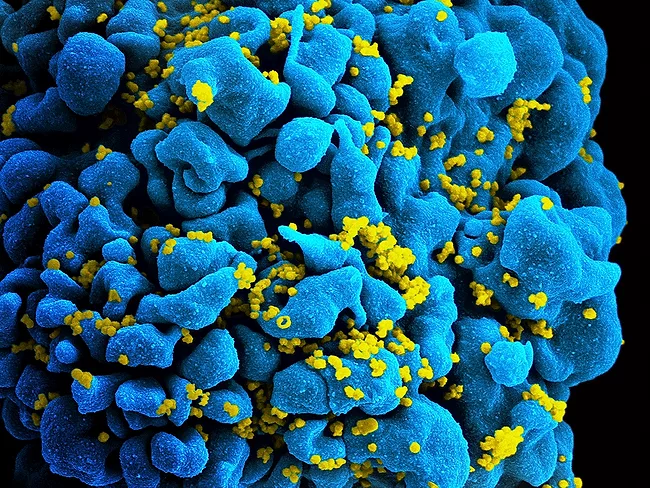
HIV-1 persistence in latent reservoirs of T lymphoid and myeloid origin is a major barrier for the cure of the disease, with complex and multifactorial mechanisms behind HIV-1 latency; thus, investigating these mechanisms is key for future targeted HIV therapies.
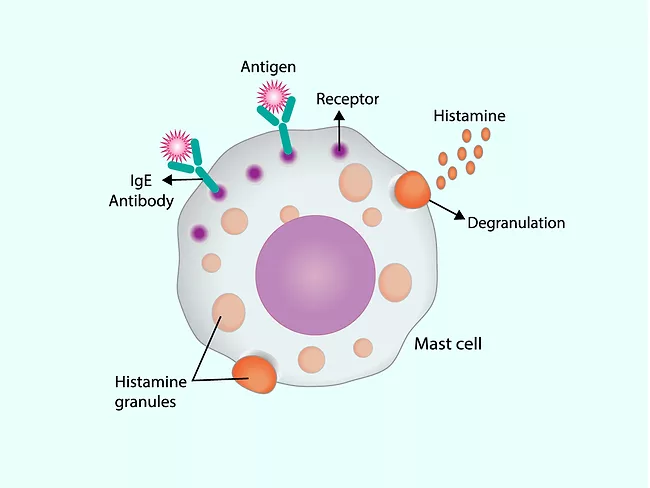
Gliadin is the major allergen of wheat-dependent exercise-induced anaphylaxis (WDEIA). YH-35324 (lesigercept, GI-301) is a long-acting IgEtrap-Fc fusion protein that targets FcεR1α that could serve as a therapeutic approach in WDEIA. It is under development by Yuhan Corp. in early clinical trials as an allergy treatment.
Gilead Sciences Inc.’s integrase strand transfer inhibitor (INSTI) GS-3242 is in early clinical development for HIV infection (NCT07001319). The company presented nonclinical data on the candidate at the recent CROI meeting in Denver.
IgE is known to drive allergic disease, and omalizumab is the only approved anti-IgE antibody to date that has shown suboptimal IgE affinity and limited use in scenarios with high IgE levels.
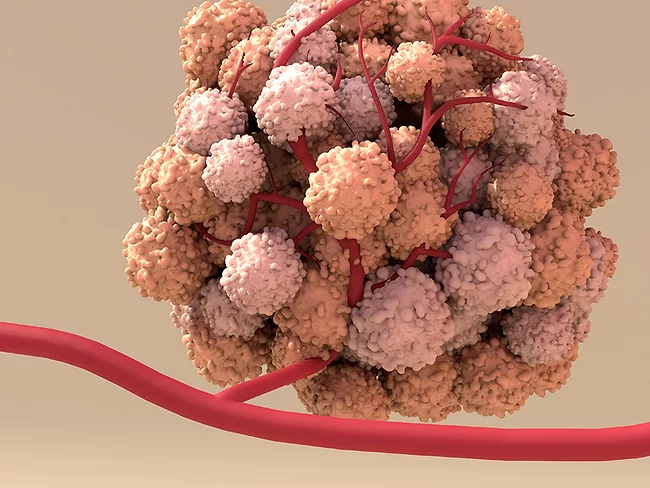
A new isoform of proliferating cell nuclear antigen (PCNA) – cancer-associated PCNA (caPCNA) – that is specifically expressed in cancer tissues has been reported. Because cancer cells and HIV-infected cells have similar features, researchers from City of Hope National Medical Center tested the anit-HIV effects of a small-molecule compound, AOH-1996, that targets caPCNA.
Calidi Biotherapeutics Inc. recently presented data regarding CLD-401 as an immunotherapeutic approach developed using the Redtail gene therapy platform. This platform uses a tumor-specific, replicating enveloped vaccinia virus that expresses a chimeric form of CD55 to allow complement and neutralizing antibody resistance, as well as systemic administration.
Researchers from Sutro Biopharma Inc. presented data on dual-payload antibody-drug conjugates (ADCs) engineered to overcome drug resistance, demonstrating enhanced cytotoxicity and potential efficacy in resistant cancer models.
Mitogen-activated protein kinase kinase kinase kinase 1 (HPK1) is a serine/threonine protein kinase that is expressed in the hematopoietic compartment, exerting regulatory functions in myeloid and innate immune cells. It has been associated with decreased T-cell activation and proliferation.
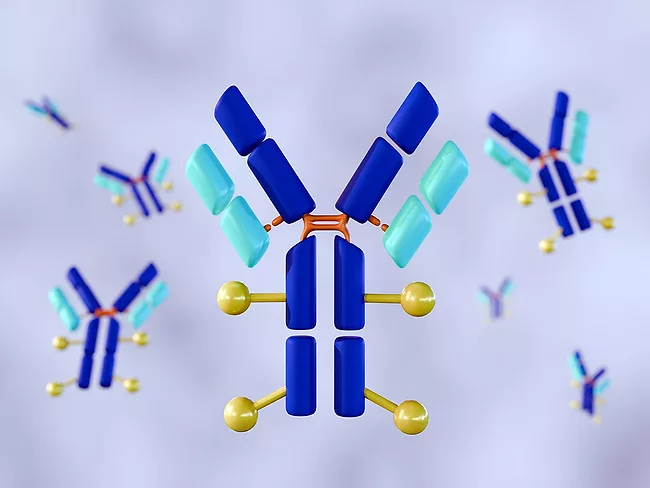
Broadly neutralizing antibodies (bNAbs) target conserved HIV envelope regions to neutralize diverse strains, eliminate infected cells and reduce viral reservoirs, complementing antiretroviral therapy and supporting prevention and functional cure strategies.
Autoantibodies and B cells are drivers of progressive autoimmune diseases, but targeting B cells or plasma cells alone is not sufficient to address them. Earendil Labs has presented data on HXN-1031, a novel T-cell engager targeting both CD19 and B-cell maturation protein (BCMA).
 RSS
RSS