Clonal hematopoiesis (CH), where few blood stem cells produce a significant fraction of mature blood cells that are genetically identical, is partly an inevitable feature of aging. Certainly, it is near universal in those older than 60. CH is not itself a disease, but 1%-2% of CH cases progress to acute myeloid leukemia, and it raises the risk of some other types of cancer as well. A total of eight genes are responsible for 95% of CH cases, George Vassiliou told the audience in Saturday’s plenary session at the 2026 Annual Congress of the European Hematology Association (EHA 2026).
In the most simplistic view, adult cancers occur because “immature cells are exposed to mutagens, accumulate mutations, and across life ultimately transform into cancer cells,” Franck Bourdeaut told his audience at the 2026 Annual Congress of the European Hematology Association (EHA 2026). “On the contrary, in pediatric cancers, it is assumed that very few mutations are responsible for a maturation block, make these cells derail from their normal differentiation trajectory and ultimately result in an early onset typical pediatric cancer.”
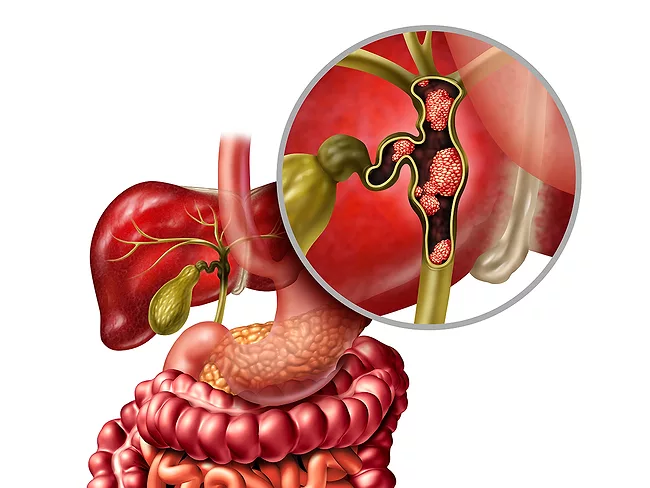
Researchers from Medizinische Hochschule Hannover and collaborators thus aimed to elucidate signaling adaptations following MAPK pathway inhibition in BRAFV 600E mutant cholangiocarcinoma (CCA) by generating a BRAF V600E-driven model of CCA.
More effective glucocorticoid-sparing therapies are needed for the treatment of giant cell arteritis (GCA). Studies found that complement signaling pathways involving complement factor 5 and its receptor (C5aR1) were overexpressed, and that a C5aR1 antagonist, avacopan, reduced the need for glucocorticoids and improved renal recovery. This led researchers to investigate the association of anti-C5aR1 antibodies with GCA and its outcomes.
Glucose-dependent insulinotropic polypeptide receptor (GIPR) signaling regulates key metabolic processes, including postprandial insulin secretion, appetite control, lipid storage and overall energy balance. Researchers from Antag Therapeutics Aps presented preclinical efficacy data on the combination of AT-7687, a GIPR antagonist, and cagrilintide in obese insulin-resistant monkeys.
Former principal officers of the American Diabetes Association (ADA) have hit back at the association’s board and CEO after it prohibited the distribution of an editorial published in its flagship journal Diabetes Care at the ADA’s meeting in New Orleans last Friday.
Glucagon-like peptide 1 receptor agonist (GLP-1RA) compounds have become game changers in the treatment of obesity, but they have limitations due to long-term efficacy, lean mass preservation and tolerability in certain populations. Mitorx Therapeutics Ltd. has presented data for MTRX-31 (Myo-004), a mitochondrial-targeted compound that provides an alternative mode of action for treating obesity.
Researchers from Verdiva Bio Ltd. and collaborators recently presented preclinical data on VRB-103, an oral amylin analogue, comparing its profile with those of cagrilintide and eloralintide, two subcutaneously administered analogues currently in clinical development.
CD45RC is an isoform of protein tyrosine phosphatase receptor type C, a protein that plays a key role in regulating antigen receptor signaling in T and B cells. While it is expressed on most circulating B cells, it is only highly expressed on Th1 precursors, Th1 cells and T effector memory CD45RA+ cells (TEMRA).
Researchers from Ractigen Therapeutics Co. Ltd. presented preclinical data on LiCO-saUcp1, a small activating RNA (saRNA) therapeutic designed to upregulate UCP1 expression in adipose tissue.
 RSS
RSS