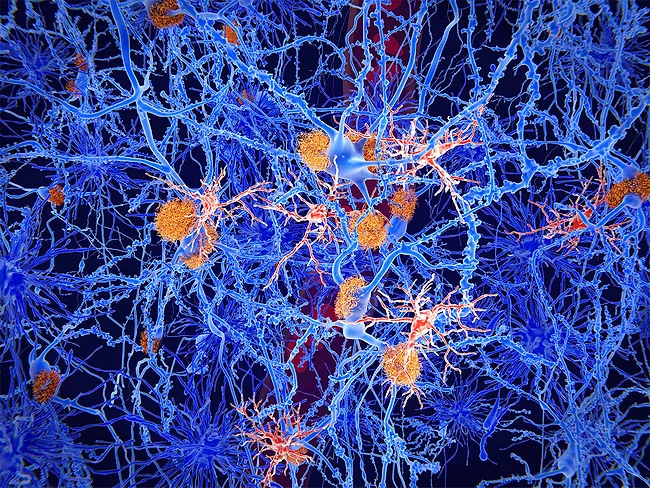
Previous work uncovered the role of the complement system in neuroinflammation and synaptic loss in neurodegenerative disorders such as Alzheimer’s disease (AD). The third component, C3, central in all complement activation pathways, has been proposed as a potential therapeutic target in AD.
Growing evidence exists on regulation of the chloride importer solute carrier family 12 member 2 (SLC12A2), also known as NKCC1, as a therapeutic approach to treat neurological disorders. Altered expression of NKCC1 leads to impaired intracellular chloride levels in neurons and imbalance in the excitatory-inhibitory axis in the brain.
COVID-19 has continued to alarm public health, and although several therapeutics and vaccines have been developed, the development of effective vaccines or antibodies is challenging due to mutations in the surface of the spike protein in the SARS-CoV-2 virus.
At this week’s International Conference on Alzheimer’s and Parkinson’s Diseases and Related Neurological Disorders, researchers from Suntec Medical Inc. and collaborators presented a poster introducing a novel biologic (STM-003) targeting several pathological mechanisms involved in Alzheimer’s disease (AD), aiming to delay disease progression and improve cognitive function.
During the first oral sessions on Translational Drug Discovery at the 19th Alzheimer’s & Parkinson’s Diseases (ADPD) Conference, Beka Solomon from Tel Aviv University presented her work on the therapeutic potential of bone-marrow-derived microglia in Alzheimer’s disease (AD). “After working more than 30 years in immunotherapy, I decided to totally change the subject of the work,” Solomon told the audience.
Pannexin 1 (PANX1) forms channels that may release signaling metabolites that are involved in a variety of pathophysiological processes, such as asthma, diabetes, hypertension or inflammatory bowel disease (IBD), among others. Inhibition of PANX1 when dysregulated has been proposed as a therapeutic approach in the treatment of IBD.
Dyne Therapeutics Inc. presented their most recent work to advance novel therapeutics for facioscapulohumeral muscular dystrophy (FHSD). FSHD is an autosomal dominant genetic disorder characterized by muscle weakness and atrophy. Dyne Therapeutics previously developed the FORCE platform, which uses an antigen-binding fragment (Fab) specifically targeting telomeric repeat binding factor-1 (TfR1) for targeted therapeutic delivery.
Cannabinoid CB1 receptors have been a potential target for nonopioid-based pain treatment, but actually targeting the pathway has been hindered by issues with tolerance and unwanted CNS side effects. Peripherally selective CB1 agonists developed to overcome these problems have not fully resolved these issues, meaning the peripheral selectivity has to be substantially enhanced.
At the recently launched Alzheimer’s & Parkinson’s Diseases Conference held in Vienna, Lotte Bjerre Knudsen from Novo Nordisk A/S, who has extensive experience in glucagon-like peptide-1 (GLP-1) research, delivered a plenary lecture focused on the role of GLP-1 receptor agonists, such as semaglutide, in attenuating neuroinflammation and neurodegeneration.
Dyne Therapeutics Inc. is advancing novel therapeutics for people living with genetically driven neuromuscular diseases. Representatives from the company recently presented a poster showcasing preclinical and early clinical results from the development of their proprietary FORCE platform applied to Duchenne muscular dystrophy (DMD).
 RSS
RSS