Dyne Therapeutics Inc. presented their most recent work to advance novel therapeutics for facioscapulohumeral muscular dystrophy (FHSD). FSHD is an autosomal dominant genetic disorder characterized by muscle weakness and atrophy. Dyne Therapeutics previously developed the FORCE platform, which uses an antigen-binding fragment (Fab) specifically targeting telomeric repeat binding factor-1 (TfR1) for targeted therapeutic delivery.
Cannabinoid CB1 receptors have been a potential target for nonopioid-based pain treatment, but actually targeting the pathway has been hindered by issues with tolerance and unwanted CNS side effects. Peripherally selective CB1 agonists developed to overcome these problems have not fully resolved these issues, meaning the peripheral selectivity has to be substantially enhanced.
At the recently launched Alzheimer’s & Parkinson’s Diseases Conference held in Vienna, Lotte Bjerre Knudsen from Novo Nordisk A/S, who has extensive experience in glucagon-like peptide-1 (GLP-1) research, delivered a plenary lecture focused on the role of GLP-1 receptor agonists, such as semaglutide, in attenuating neuroinflammation and neurodegeneration.
Dyne Therapeutics Inc. is advancing novel therapeutics for people living with genetically driven neuromuscular diseases. Representatives from the company recently presented a poster showcasing preclinical and early clinical results from the development of their proprietary FORCE platform applied to Duchenne muscular dystrophy (DMD).
The synthesis of RP-1664, a highly potent, selective and bioavailable PLK4 inhibitor for the potential treatment of cancer, was recently reported by Repare Therapeutics Inc.
Prelude Therapeutics Inc. described the discovery of PRT-3789, a first-in-human, highly potent and selective SMARCA2-targeted protein degrader, for the potential treatment of cancer.
Fibroblast activation protein (FAP) is a serine protease, the expression of which increases with pathogenic fibroblasts in the fibrotic liver during metabolic dysfunction-associated steatohepatitis (MASH) and might induce fibrosis by cleaving several proteins that regulate extracellular matrix turnover and metabolism, including α2-antiplasmin (α2-AP) and fibroblast growth factor 21 (FGF21). Astrazeneca plc recently presented new results on their research regarding their oral small-molecule FAP inhibitor, AZD-2389, as a candidate drug for treating MASH.
At last week’s American Chemical Society Spring meeting, Bristol Myers Squibb Co. discussed the development of a potent, orally bioavailable and highly selective cereblon (CRBN)-mediated ligand-directed degrader (LDD) of B-cell lymphoma 6 protein (BCL6), BMS-986458, for the treatment of B-cell non-Hodgkin lymphoma.
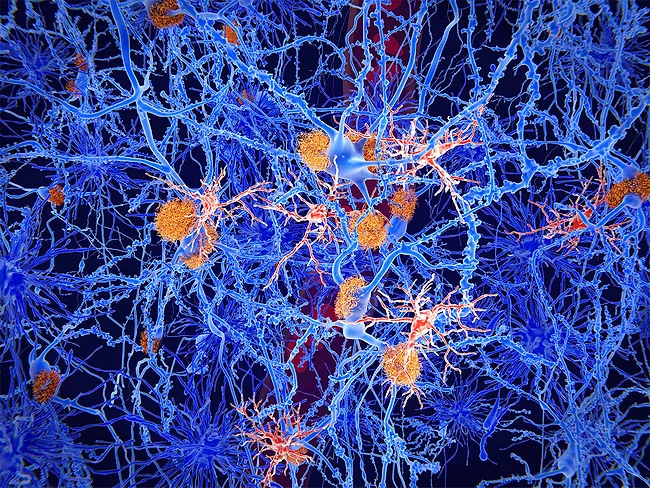
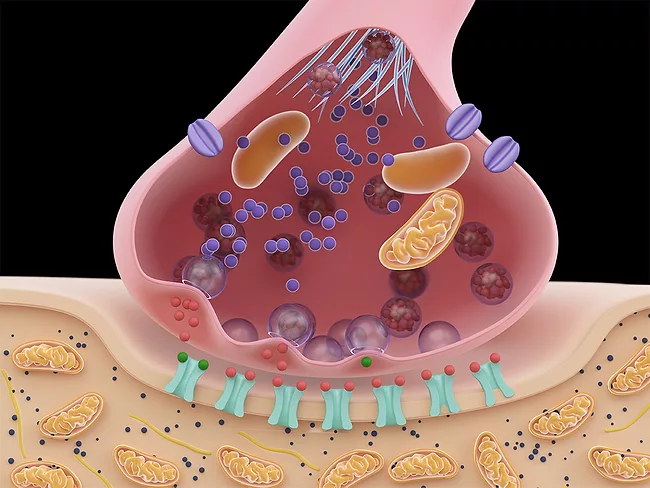
In the brain, molecular information is transmitted between cells through neural circuits. Synapses establish connections between the pathways that run from one area to another, allowing the most complex organ in the body to fulfill different functions. Cells and neural circuits are the basic biological elements in the study of mental illness. However, the scientific community still does not know how to interpret their role in neuropsychiatric disorders.
Previous studies have shown that protein expression of DOCK7 is increased in skeletal muscle biopsies from patients with Duchenne muscular dystrophy (DMD), leading researchers from the University of Alabama at Birmingham and affiliated organizations to assess the functional impact of DOCK7 on normal muscle and embryonic development of zebrafish.