The addition of photoisomerizable moieties in drugs opens the possibility of rapid and reversible light-dependent switching between an active and inactive form. Researchers from the National Institutes of Health and the University of Barcelona have developed MRS-7787, a photoswitchable adenosine A3 receptor (A3R) agonist that controls A3R through topical skin irradiation.
“The impoverished laboratory environment in which mice and rats are maintained has been very good at increasing experimental replicability,” Steven Austad told the audience at the 12th Aging Research & Drug Discovery Meeting (ARDD) in Copenhagen last week. “But at the cost of sacrificing translational relevance.”
The TCF4/β-catenin axis is a key driver of tumor growth, where β-catenin has remained resistant to therapy and is traditionally considered an undruggable protein. At the ACS Fall 2025 meeting, Parabilis Medicines Inc. divulged results of work on hyperstabilized α-helical peptides named helicons that directly bind to β-catenin and block its interaction with TCF transcription factors such as TCF4, as well as inhibit the Wnt signaling pathway.
The WEE1 tyrosine kinase is an important cell cycle regulator that inhibits cell cycle progression during the S and G2/M phases to impede the division of cells with DNA damage. Tumor cells with replicative stress are thought to rely on WEE1 for their survival.
Moma Therapeutics Inc. has released data regarding their Werner syndrome helicase (WRN) inhibitor MOMA-341 for the potential treatment of cancer. MOMA-341 is a potent and selective WRN inhibitor, the action of which is through covalent ligation.
Tyra Biosciences Inc. recently presented the design and preclinical characterization of TYRA-200, an oral small-molecule FGFR1/2/3 tyrosine kinase inhibitor (TKI) that shows high potency against all common mutant forms of FGFR2 and holds potential for the treatment of cancers driven by FGFR2 alterations.
The signaling of ephrin B (EphB) has been shown to be involved in the progression of metabolic disorders, among others. In this context, researchers from Texas Tech University Health Sciences Center have developed a pan-EphB inhibitor – STA-013 – for the treatment of metabolic syndrome.
Gilead Sciences Inc. recently discussed the discovery of emvistegrast (GS-1427), a potent, selective, once-daily oral α4β7 integrin inhibitor currently in phase II trials for the treatment of inflammatory bowel disease (IBD) (NCT06290934).
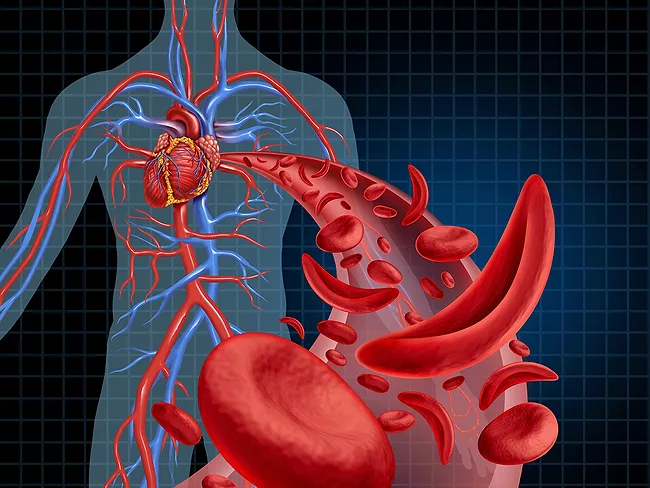
BMS-986470 is a potentially first-in-class molecular glue dual degrader, targeting zinc finger and BTB domain containing 7A (ZBTB7A) and widely interspaced zinc finger protein (WIZ). Bristol Myers Squibb Inc. recently presented details on the discovery of BMS-986470, which is now in phase I studies for the treatment of sickle cell disease (SCD) (NCT06481306).
Fractalkine, when binding to its receptor CX3CR1, modulates leukocyte adhesion and acts as a chemotactic agent. The expression of cardiac CX3CR1/fractalkine is elevated in patients with heart failure and CX3CR1 antagonists may improve the cardiac function by modulation of this axis.
 RSS
RSS