Opna Bio AG recently provided findings from preclinical studies of novel dual E1A binding protein P300 (EP300) and CREB binding protein (CBP) inhibitors under investigation as potential anticancer agents.
Mucosa-associated lymphoid tissue lymphoma translocation protein 1 (MALT1) is a key regulator of immune signaling that supports proliferation and promotes metastasis while maintaining the tumor microenvironment under immunosuppression. Researchers from Exscientia plc and Evotec SE reported on the characterization of EXS-73565.
Glutaminyl-peptide cyclotransferase-like protein (QPCTL) is a modulator of CD47-SIRPα binding and can be targeted to achieve antitumor responses through myeloid checkpoint blockade. At the recent ESMO meeting in Madrid, researchers from Insilico Medicine Inc. reported the preclinical characterization of ISM-8207, a QPCTL inhibitor with activity against triple-negative breast cancer (TNBC) and diffuse large B-cell lymphoma (DLBCL).
Researchers from Loxo Oncology at Eli Lilly and Co. recently reported the discovery and preclinical evaluation of a new highly potent and selective pan-KRAS inhibitor, LY-4066434, being developed for the treatment of cancer.
Epithelial cell adhesion molecule (EpCAM) is involved in cancer cell invasion while it acts as a negative regulator of adhesion. EpCAM is overexpressed in several cancer types, such as colorectal, ovarian or gastric cancer, and its expression is associated with a worse prognosis.
Artificial intelligence (AI) is in full development, and advances are already used in many fields, including medicine. In oncology, these tools can identify a tumor in an image with 99% accuracy. But they can also miss it if the algorithm was not developed with the right data or the correct decisions. The 2023 European Society for Medical Oncology (ESMO) Congress brought together in Madrid doctors and deep learning experts to discuss the challenges and advances of AI in this area. And what’s better than asking an AI what its trainer has told it about AI?
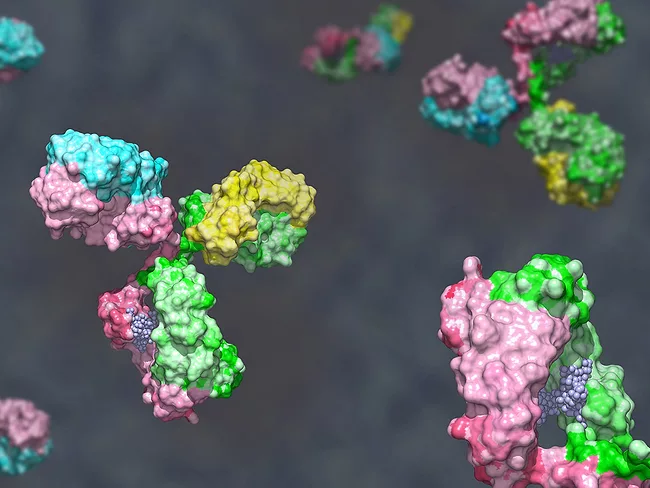
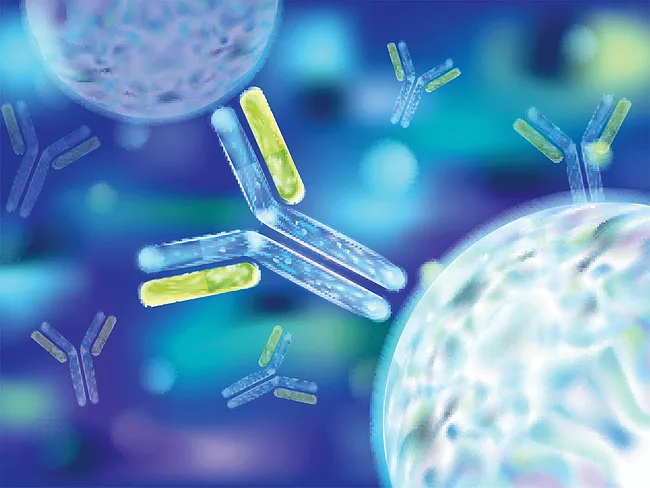
Data regarding an innovative bispecific antibody – CPL-976 (CPBT-0976) – were recently reported by Celon Pharma SA. Bispecific antibodies targeting more than one antigen on cancer cells improve the specificity and effectiveness of the therapy, and could be utilized for targeting the defense mechanisms of cancer cells, such PD-L1 or EGFR, VEGFR and AXL.
The checkpoint kinase WEE1 catalyzes the inhibition of cell cycle progression and CDK1 phosphorylation. WEE1 inhibitors have demonstrated clinical benefits in gynecological malignancies, yet limited antitumor activity and a multifaceted toxicity profile of small-molecule inhibitors mean new approaches to target WEE1 are needed.
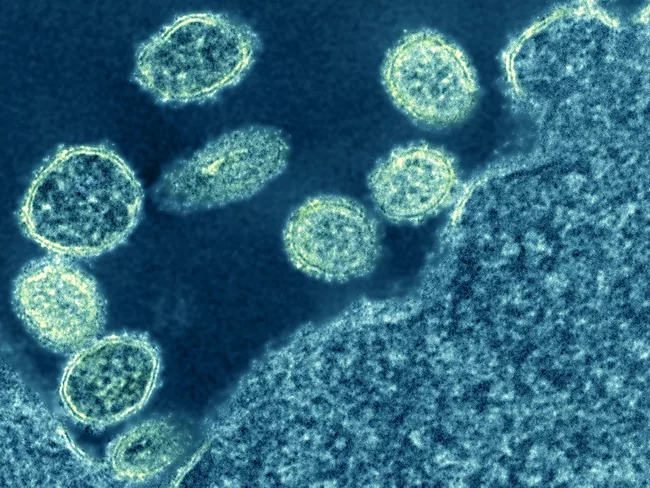
Researchers from Eradivir Inc. and affiliated organizations presented the discovery and preclinical evaluation of EV-21, a dual mechanism antiviral immunotherapy for the treatment of influenza infections. EV-21 was designed as a ligand-targeted drug conjugate, developed by linking the neuraminidase inhibitor zanamivir to two distinct haptens that bind to two different naturally occurring antibodies in humans. As a result, the candidate acts though a dual mechanism of action, which consists of potent recruitment of the human immune system to recognize and destroy free viruses and virus-infected cells.
NaPi2b is a sodium-dependent phosphate transporter that is mainly responsible for phosphate homeostasis in humans. Overexpression of NaPi2b has been associated with several types of cancers such as lung, ovarian, thyroid or breast carcinomas and thus is considered a therapeutic target to exploit in these conditions.
 RSS
RSS