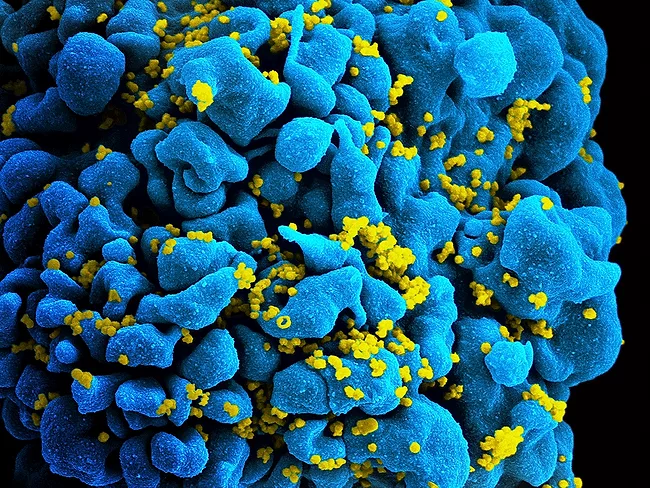
Current antiretroviral therapies preserve the immune system, reduce HIV-associated morbidity and prevent HIV transmission but still, the virus persistence in CD4 cells remains a crucial factor to battle. Previous studies have explored the role of interleukin-2-inducible tyrosine kinase (ITK) inhibition in lymphoma, allergy and other infectious diseases.
Ewing sarcoma has a poor prognosis, in part due to the small number of active natural killer (NK) cells and lack of specific tumor targeting. Interleukin 1 receptor accessory protein (IL1RAP) has been reported to be highly expressed in Ewing sarcoma cells but minimally expressed in normal tissues. Researchers have designed an NK cell-based CAR approach targeting ILRAP1 for the treatment of Ewing sarcoma.
Nuclear body protein SP140 is mainly expressed on immune cells such as B and T cells, monocytes or dendritic cells and they are activated by interferon and regulated upon cellular stress, such as during viral infections.
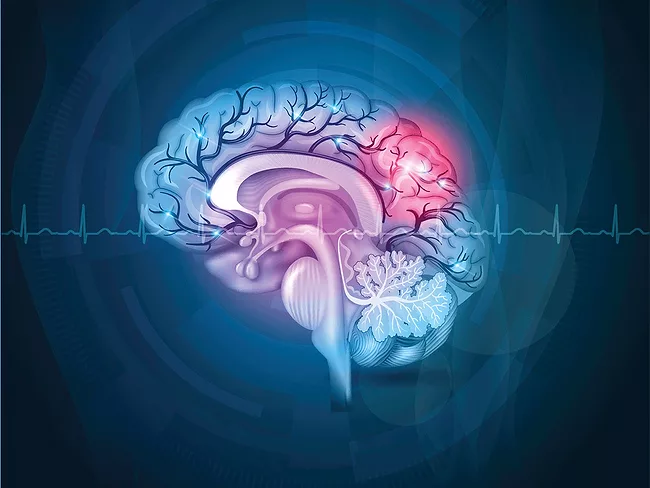
Microglial cells (MGs) are resident immune cells in the brain, which play a key role in the acute response and chronic recovery to stroke. Investigators at the University of Texas Health Science Center Houston aimed to evaluate MG transcriptomic response to stroke in mouse brain.
In the larger picture, the fight against HIV has been a triumph of modern medicine. A patient diagnosed with HIV in the 1980s had a remaining life expectancy of 1 to 2 years. In 2023, they can expect to live another half century. But so far, an HIV vaccine has remained elusive. In the newest phase III failure, Janssen Pharmaceutical Cos. of Johnson & Johnson closed down its Mosaico trial more than a year ahead of schedule, following a data and safety monitoring board’s (DSMB) report saying the study was not expected to hit its primary endpoint.
Researchers from the University of Antwerp reported the characterization of a novel clinically relevant mouse model of DFNA9 (deafness, autosomal dominant 9), an autosomal dominant inherited disorder characterized by vestibular dysfunction and adult-onset progressive hearing loss caused by different heterozygous mutations in the COCH gene.
The success of the treosulfan-based conditioning regimen in patients with β-thalassemia undergoing hematopoietic cell transplantation (HCT) is limited due to several complications, such as mixed chimerism and graft rejection. Researchers previously found that polymorphisms in the NQO1 or glutathione S-transferase A1 (GSTA1) genes had an impact on treosulfan pharmacokinetics, which then impacted related toxicities after HCT.
Recent findings unveiled that high serum levels of the molecular marker microRNA 371 correlate with the clinical stage and metastasis of seminomas (tumor of the testis germ cells) and nonseminomas. The expression of miR-371a-3p was evaluated in a cohort of patients with stage IIA/B seminoma and nonseminoma. Expression of miR-371a-3p was found to be positive in all 12 metastatic patients with seminoma or nonseminoma and was negative in 3 out of 4 nonmetastatic cases.
Receptor-interacting serine/threonine-protein kinase 2 (RIPK2) is a kinase protein that plays key roles in inflammation and antimicrobial response through the NF-kB signaling pathway, as well as it is known to activate c-MYC, which is involved in the progression of several malignancies, such as prostate cancer.
 RSS
RSS