Pancreatic ductal adenocarcinoma (PDAC) is a highly aggressive cancer. The more common BRCA wild-type (wt) subtype is particularly resistant to standard treatments such as gemcitabine and DNA-targeting agents like olaparib.
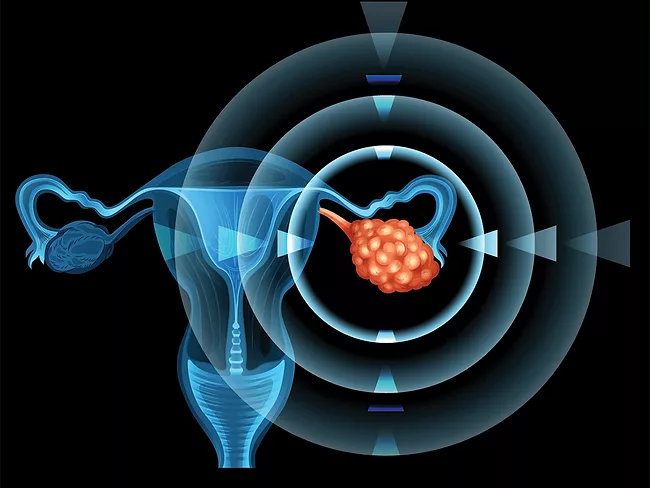
Ovarian cancer remains a leading cause of cancer-related deaths among women, with high recurrence rates and resistance to chemotherapy. CAR T-cell therapies present limited efficacy in solid tumors due to tumor heterogeneity and immune suppression in the tumor microenvironment.
Peptide-drug conjugates (PDCs) are emerging as a promising alternative to antibody-drug conjugates (ADCs), offering enhanced tumor penetration and reduced immunogenicity. Carbonic anhydrase IX (CAIX) and epidermal growth factor receptor (EGFR) are both well-validated targets in oncology due to their role in cancer cell survival, invasion and migration.
Avenzo Therapeutics Inc. has gained IND clearance from the FDA for AVZO-023 (formerly ARTS-023), a CDK4-selective inhibitor. The company also announced it has exercised its exclusive option for AVZO-023 from Allorion Therapeutics Inc., securing global (excluding Greater China) development, manufacturing and commercialization rights.
C4 Therapeutics Inc. has disclosed proteolysis targeting chimera (PROTAC) compounds comprising a cereblon (CRBN) E3 ubiquitin ligase-binding moiety covalently linked to a Raf kinase B (V600E mutant)-targeting moiety through a linker. They are reported to be useful for the treatment of cancer.
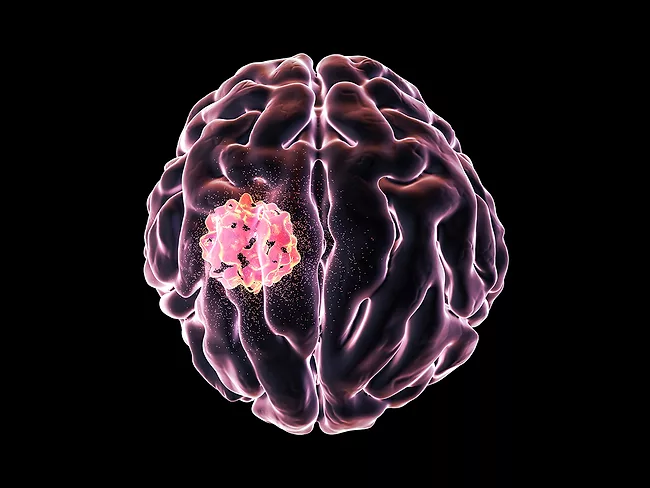
Glioblastoma (GBM) is an aggressive cancer from the CNS usually characterized by a very bad prognosis. It is known that around 30%-35% of patients with GBM develop epilepsy as a comorbidity of the disease.
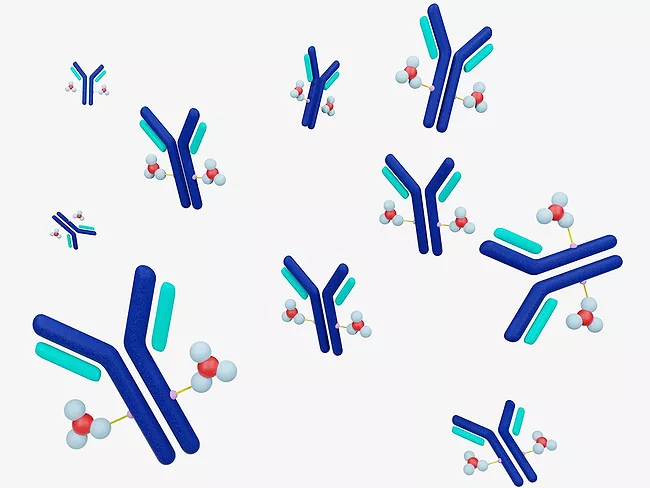
ALX Oncology Holdings Inc. is set to begin phase I studies around the middle of this year with ALX-2004, an antibody-drug conjugate (ADC) for the treatment of EGFR-expressing solid tumors, following IND clearance last month.
Chengdu Zeling Biomedical Technology Co. Ltd. has described poly(ADP-ribose) polymerase 1 (PARP-1; ARTD1) inhibitors reported to be useful for the treatment cancer.
Scientists at Jubilant Biosys Ltd. and the University of Texas System have divulged fatty acid binding protein (FABP) inhibitors reported to be useful for the treatment of cancer.

 RSS
RSS